








What's Happening?
Rivian Automotive Inc. (NASDAQ:RIVN), an electric vehicle manufacturer, is scheduled to release its latest quarterly financial results after the close of trading on Thursday, October 29, 2026. This announcement follows closely on the heels of the company's
early-October disclosure to the Securities and Exchange Commission regarding its production and delivery figures for the latest quarter. The report indicated that production at Rivian's Normal, Illinois facility slightly exceeded deliveries, a pattern that can suggest vehicles are in transit, inventory is being built for future launches, or there are timing differences between factory output and customer handover. The company stated these numbers were in line with its internal expectations. The Normal plant is crucial as it represents Rivian's primary U.S. manufacturing hub, and its output serves as a key indicator of the company's scaling efforts. The ramp-up of such a facility depends on various factors, including supplier readiness, line balancing, battery cell availability, and workforce training.
Why It's Important?
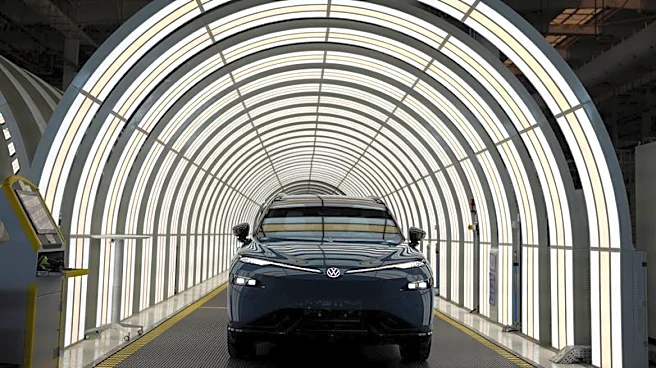
The upcoming financial report from Rivian is significant for several reasons, particularly for investors and the broader U.S. automotive industry. As an emerging automaker, Rivian's financial health, especially its liquidity, is under intense scrutiny. Building factories, developing software, and engineering new vehicles are capital-intensive endeavors, and Rivian has not yet reached a point where its operations are self-funding. The company has historically relied on equity raises, convertible debt, and support from partners and government-backed lending to strengthen its balance sheet. The report will provide crucial insights into the company's cash position, burn rate, and overall financial stability. Furthermore, Rivian's strategic partnerships, such as the one with Volkswagen, which involves milestone-based payments and equity commitments, are vital for additional funding and external validation of its engineering capabilities, especially as software becomes increasingly central to vehicle development. The performance of Rivian, a key player in the U.S. EV market, also reflects the impact of federal incentives, state programs, and emissions regulations on consumer demand and production plans.
What's Next?
Following the release of its financial results, Rivian's management will host an audio webcast in the early evening on the East Coast to discuss the latest-quarter performance. This webcast will likely provide further details on the company's financial statements, including earnings, cash burn, and margins, which were not detailed in the pre-release production and delivery update. Investors and analysts will be keen to hear management's tone regarding future outlook, production targets, and strategies for achieving profitability. The company's ability to scale production at its Normal, Illinois plant will remain a key focus, as will its ongoing efforts to manage supply chain dynamics and workforce training. Additionally, any updates on its commercial van program, particularly its relationship with Amazon, will be closely watched, as this segment provides a steady source of volume. The competitive landscape, including rivals like Tesla, Ford, General Motors, Hyundai, Kia, and Lucid, will continue to influence Rivian's market strategy and product development.
Beyond the Headlines
Beyond the immediate financial figures, Rivian's journey highlights the broader challenges and opportunities within the U.S. electric vehicle sector. The company's focus on integrating software and connected-vehicle technologies into its battery-electric powertrains underscores a fundamental shift in the automotive industry towards 'software-defined vehicles.' This trend, while offering perks like over-the-air updates, also introduces complexities related to software reliability and remote diagnostics, as evidenced by recent reports of in-drive reboots. The balance between rapid innovation and ensuring vehicle safety and reliability is a critical ethical and engineering consideration for all EV manufacturers. Furthermore, the reliance on government incentives and regulations to shape demand for electric vehicles points to the ongoing policy debate surrounding the transition to sustainable transportation. Rivian's experience also sheds light on the evolving customer expectations for premium EV ownership, where early adopters often face unique challenges related to service infrastructure and product maturity, influencing the long-term market acceptance of new EV brands.