

What's Happening?
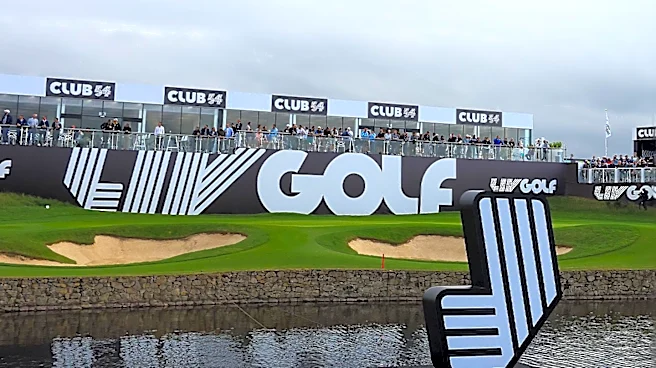
The European Tour has extended sponsor invitations to nine former LIV Golf players for its 2027 season, following the apparent winding down of LIV Golf due to bankruptcy. This move aims to integrate prominent players who had defected to the Saudi-backed
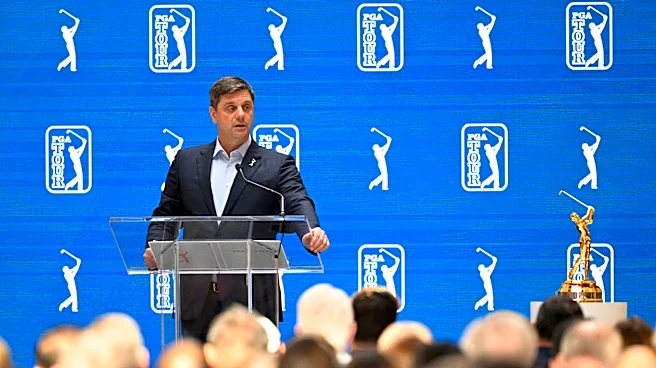
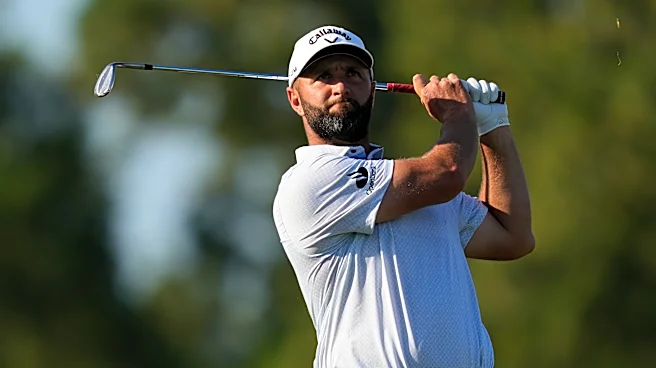
league back into established professional golf circuits. Among those offered deals are major champions Dustin Johnson, Bubba Watson, and Cameron Smith, as well as Joaquin Niemann. The European Tour's chief executive, Guy Kinnings, stated that this pragmatic approach addresses the significant changes in men's professional golf over the past year, prioritizing the interests of its membership. The invitations are intended to boost star power at various European Tour events without displacing existing players. This development comes as the PGA Tour still maintains a one-year ban on players from their last LIV appearance, making the European Tour a more immediate option for many. The number of sponsor invitations varies among the players who have signed agreements.
Why It's Important?
This decision by the European Tour is significant as it marks a potential reintegration of high-profile golfers who had been sidelined from mainstream tours due to their involvement with LIV Golf. For the European Tour, it represents an opportunity to enhance its competitive landscape and attract more viewership by featuring well-known players. This could lead to increased sponsorship and media interest, strengthening the tour's position in the global golf ecosystem. For the players, it offers a pathway to continue their professional careers at a high level, especially those who faced limited options after LIV Golf's financial troubles. The move also highlights the evolving dynamics between major golf tours and the lingering impact of the LIV Golf venture, signaling a potential shift towards reconciliation and consolidation within the sport. The PGA Tour's ongoing ban means the European Tour is currently a more accessible route for these players, potentially influencing future alliances and player movements.
What's Next?
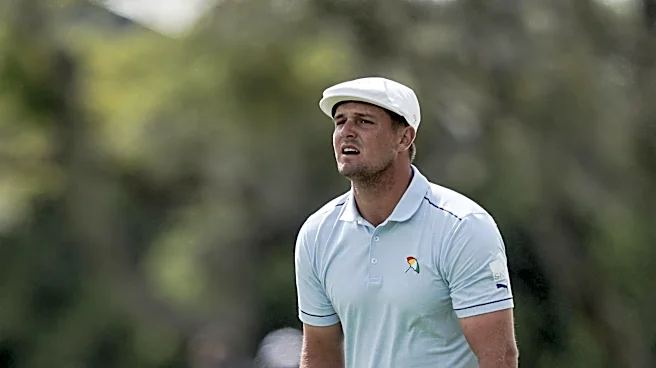
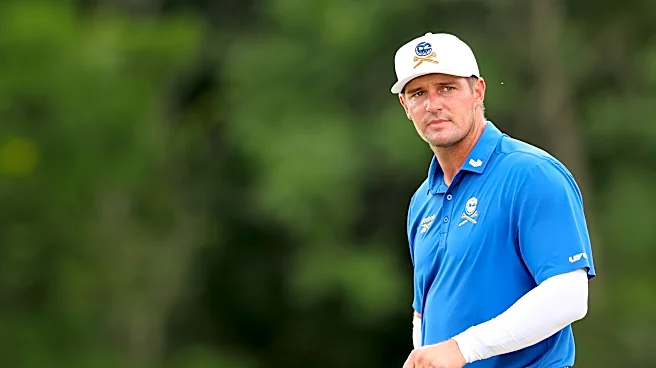
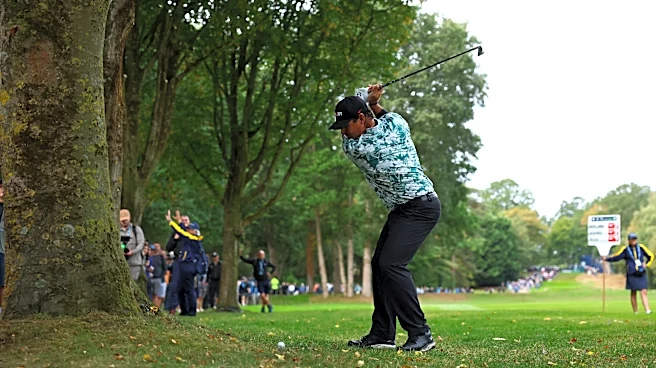
The immediate next step will involve these nine players participating in the European Tour's 2027 season, with the number of events they play varying based on their individual agreements. It remains unclear how many tournaments players like Bryson DeChambeau, who holds the highest priority category as Europe's newest member, will choose to play beyond the minimum requirements. Meanwhile, the PGA Tour's alliance with the European Tour is set to expire next year, with ongoing discussions about its extension and modification. These modifications are likely to include adjustments to the number of PGA Tour cards offered to leading European players, potentially fewer than the current ten. Many other former LIV players, including Harold Varner III, Charles Howell III, and Talor Gooch, were not offered similar deals and will need to explore other avenues, such as the Asian Tour or MENA Tour, to continue playing professionally. The long-term implications for the structure of professional golf and player eligibility across tours will continue to unfold.
Beyond the Headlines
This development extends beyond immediate player opportunities, touching upon deeper implications for the governance and future of professional golf. The European Tour's pragmatic approach could set a precedent for how other major sports leagues handle players who join rival, breakaway organizations. It also underscores the financial vulnerabilities of ventures like LIV Golf, which, despite significant initial investment, ultimately faced sustainability challenges. The reintegration of these players could lead to a more unified professional golf landscape, potentially reducing the fragmentation that characterized the sport in recent years. However, it also raises questions about fairness for players who remained loyal to established tours and the long-term impact on player loyalty and contractual obligations. The situation highlights the complex interplay of financial incentives, professional aspirations, and the traditional structures of sports organizations, suggesting a period of recalibration for the sport as a whole.