





What's Happening?
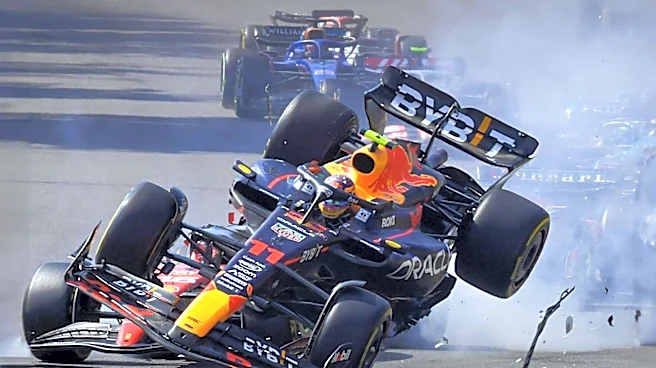
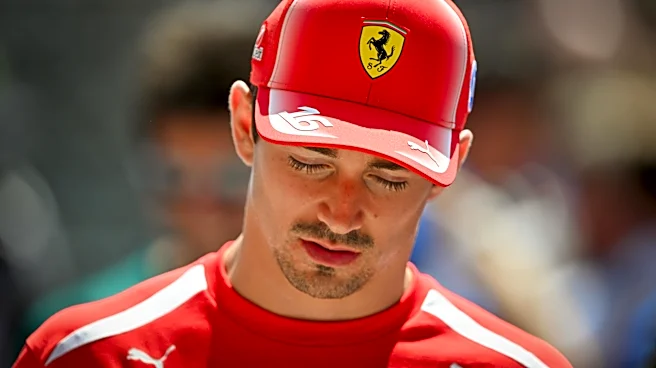
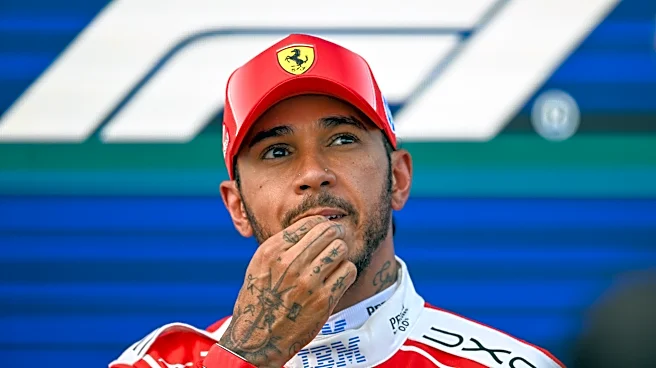
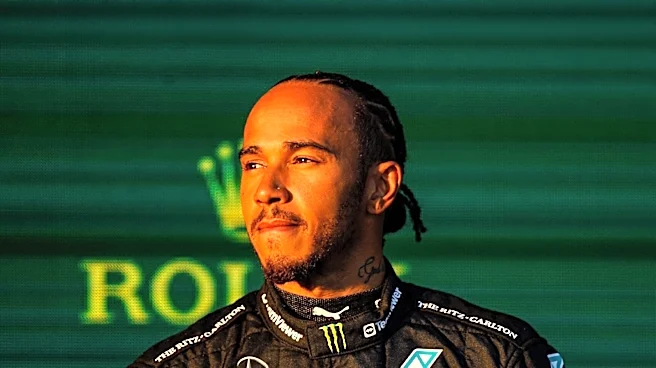
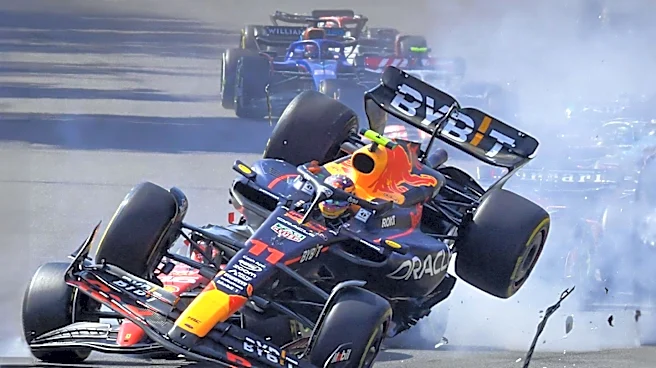
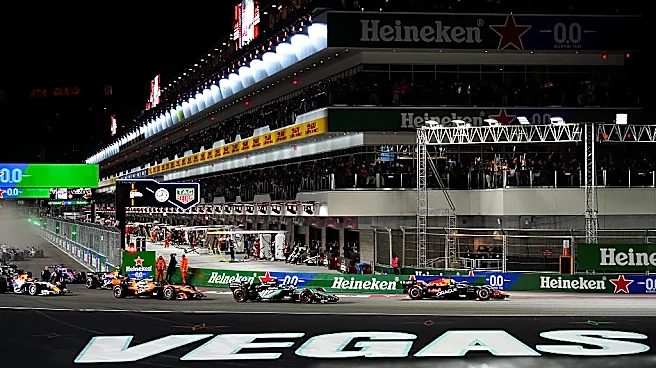
Ferrari is grappling with internal team dynamics following multiple on-track collisions between its drivers, Lewis Hamilton and Charles Leclerc, most recently at the Las Vegas Grand Prix. The incident in Las Vegas, where Leclerc was deemed at fault for
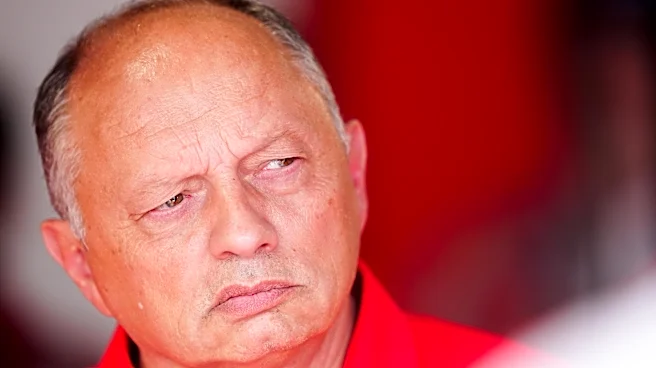
contact with Hamilton while battling for sixth place, has intensified scrutiny on the team's management of its drivers. This follows a similar fierce battle in Mexico City that cost Ferrari a potential victory. Team boss Frederic Vasseur has stated that such incidents "cannot continue." Discussions are underway regarding whether Ferrari should designate a clear No. 1 driver, with former world champions Damon Hill and Jacques Villeneuve suggesting Hamilton, a seven-time world champion, should be prioritized. Hamilton, however, has stated he has "never asked" for No. 1 status. The ongoing clashes highlight a significant challenge for Ferrari as it aims to end an 18-year world title drought, with experts like David Croft believing the team is now forced to prioritize one driver over the other for better results.
Why It's Important?
This situation is critical for Ferrari's aspirations in Formula 1, a sport with significant global viewership and commercial interests, including a growing presence in the U.S. market. The internal conflict between two high-caliber drivers like Hamilton and Leclerc can directly impact the team's performance, potentially costing them valuable championship points and undermining their efforts to compete for world titles. For sponsors and investors, a cohesive and successful team is paramount, and ongoing driver disputes can detract from brand image and investment returns. The debate over establishing a No. 1 driver also touches upon broader strategic decisions in motorsports, where balancing individual talent with team objectives is crucial. The outcome of Ferrari's decision will not only affect the careers of Hamilton and Leclerc but also set a precedent for how top-tier racing teams manage competitive internal rivalries, influencing team dynamics across the sport.
What's Next?
Ferrari team principal Frederic Vasseur is scheduled to hold fresh discussions with Lewis Hamilton and Charles Leclerc this week to address the recurring on-track incidents. The primary focus of these talks will be to establish clearer rules of engagement and potentially define consequences for future transgressions. Experts like Jamie Chadwick suggest that previous discussions may not have been serious enough, indicating a need for more stringent guidelines. The team faces a critical decision: either to formally designate Hamilton as the No. 1 driver, compelling Leclerc to support him, or to implement firmer rules that ensure both drivers race cleanly against each other. If Ferrari fails to resolve these internal conflicts, there is a risk that the team's performance will continue to suffer, potentially impacting their championship prospects in the upcoming seasons. The resolution of this driver dilemma will be closely watched by the F1 community and could influence team strategies across the sport.
Beyond the Headlines
The ongoing driver conflict at Ferrari extends beyond mere on-track incidents, touching upon the ethical and strategic complexities inherent in competitive team sports. The dilemma of prioritizing one driver over another, especially when both are highly talented, raises questions about fairness, individual ambition versus team success, and the long-term development of emerging talents like Leclerc. While designating a No. 1 driver might offer a clearer path to championship success, it could also stifle competition within the team and potentially lead to resentment. Conversely, allowing drivers to race freely, as seen with the current clashes, risks undermining team performance and cohesion. This situation highlights the delicate balance team principals must strike between fostering a competitive environment and ensuring disciplined teamwork. The resolution, or lack thereof, will not only shape Ferrari's immediate future but also contribute to the broader narrative of how modern F1 teams navigate the intense pressures of internal rivalry and championship aspirations.