






What's Happening?
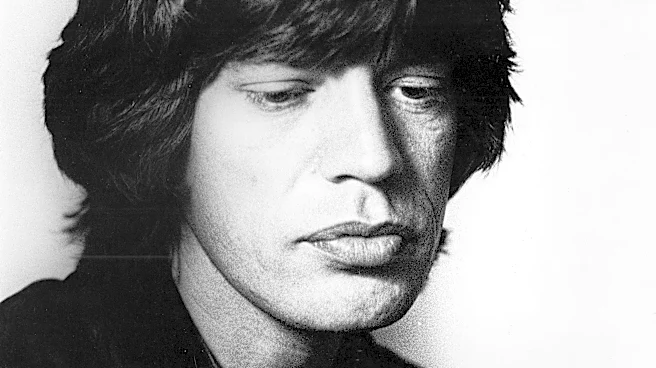
Mick Jagger, in a conversation with Rick Beato, offered insights into his songwriting methodology and his perspective on the current state of popular music. Jagger noted that the 'bar is not really that high' in popular music, a sentiment he presented
not as a complaint but as an observation of the environment in which songs are created. He discussed how songs come together through various means, such as vocal lines hummed, drum patterns, or guitar riffs, emphasizing the importance of combining strong elements. He cited examples like 'Sympathy for the Devil,' which evolved from chords and words into a samba, and more recent studio work where he arrived with a mood and tempo already established. Jagger also touched upon the collaborative and competitive dynamic with Keith Richards, and how technology has influenced the recording process, from limited tracks in early days to modern digital methods.
Why It's Important?
Jagger's candid assessment of popular music's standards and his detailed explanation of his songwriting process offer valuable insights into the creative mechanics behind one of rock's most enduring acts. His view that the 'bar is not really that high' in popular music could spark discussions among musicians, critics, and the public about artistic integrity versus commercial accessibility. For aspiring songwriters and music producers, his practical approach—focusing on craft, instinct, and collaboration rather than romanticized notions—provides a grounded perspective on creating successful music. The discussion also highlights the evolution of music production over decades, showcasing how artists adapt to technological changes while maintaining their core creative principles. This perspective is crucial for understanding the longevity and adaptability of artists in the ever-changing music industry.
What's Next?
While the interview itself is a retrospective look at Jagger's career and songwriting, its content could influence future discussions about music creation and industry standards. Artists and music educators might reference Jagger's pragmatic views when discussing songwriting techniques or the commercial pressures within the music industry. The insights into The Rolling Stones' collaborative process, particularly with Keith Richards, could also inform how other bands approach their creative dynamics. The ongoing relevance of artists like Jagger, who have adapted through various technological and cultural shifts, suggests that their experiences will continue to be a benchmark for understanding success and longevity in the music world. This conversation may also encourage more artists to share their practical approaches to songwriting, demystifying the creative process for a broader audience.
Beyond the Headlines
Jagger's comments about the 'low bar' in popular music delve into a deeper cultural and artistic debate about the purpose and impact of mainstream art. His observation suggests a tension between artistic ambition and the need for broad appeal, a challenge faced by creators across various mediums. The interview also subtly explores the ethical dimension of collaboration, particularly in a long-standing partnership like Jagger and Richards, where individual contributions merge into a collective output. Furthermore, the discussion on how technology has shaped music production, from early limited tracks to modern digital tools, highlights the continuous interplay between innovation and artistic expression. This evolution raises questions about authenticity, the role of technology in creativity, and how these factors influence the final product and its reception by the public.