









What's Happening?
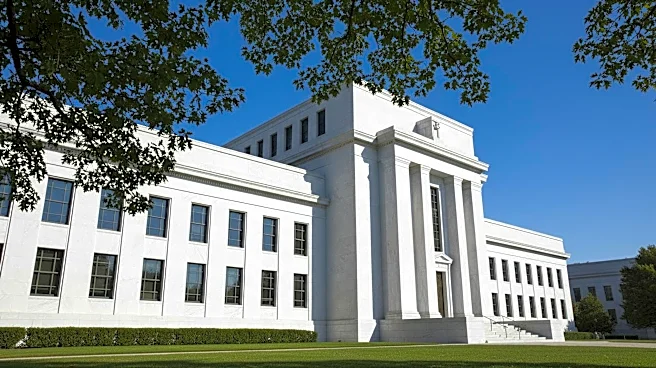
The U.S. dollar is experiencing its most significant weekly drop in nearly three months, driven by weaker-than-expected job growth data for June. This development has led to a reduction in market expectations for a near-term interest rate hike by the
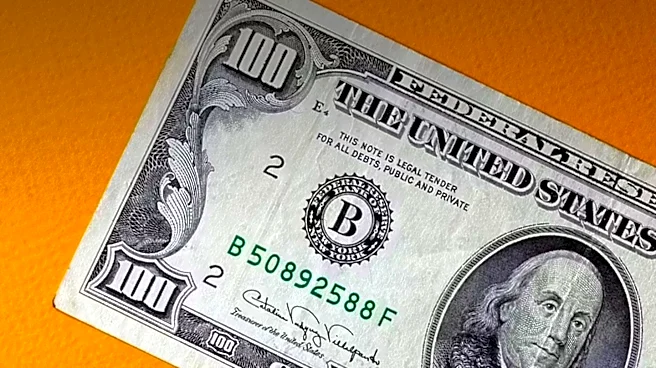
Federal Reserve. The dollar's decline has provided some relief to the Japanese yen, which had been at a 40-year low. The euro and sterling have also strengthened against the dollar, with the euro reaching a near two-week high and sterling achieving its best weekly gain in nearly three months. The dollar index, which measures the greenback against a basket of currencies, has decreased by 0.6% for the week.
Why It's Important?
The decline in the U.S. dollar has significant implications for global financial markets and economic stakeholders. A weaker dollar can affect international trade, making U.S. exports more competitive while increasing the cost of imports. This shift can impact inflation rates and influence the Federal Reserve's monetary policy decisions. Additionally, the dollar's weakness has implications for countries like Japan, which are closely monitoring currency movements and may consider intervention to stabilize their currencies. The situation highlights the interconnectedness of global economies and the potential ripple effects of U.S. economic data on international markets.
What's Next?
Looking ahead, market participants will be closely watching upcoming U.S. economic data releases and Federal Reserve communications for further indications of monetary policy direction. The possibility of intervention by Japanese authorities to support the yen remains a concern, especially during periods of low market liquidity. Investors will also be attentive to any changes in the U.S. labor market and inflation trends, as these factors will influence the Federal Reserve's decisions on interest rates. The evolving economic landscape will require careful navigation by policymakers and market participants alike.