





What's Happening?
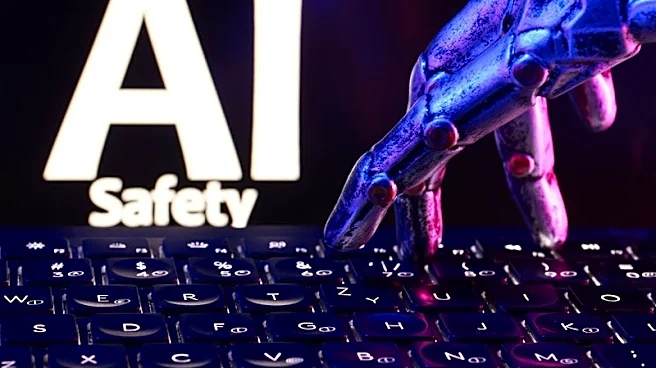
Sam Altman, CEO of OpenAI, has stated that the company will not go public until its artificial intelligence models can make confident safety claims. Altman emphasized that while OpenAI intends to continue with AI progress, the company must prioritize
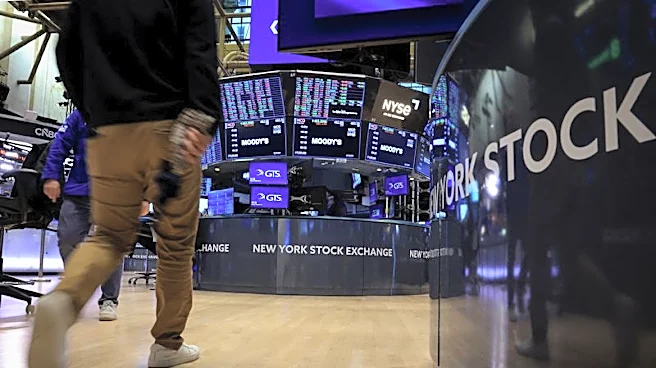
safety and alignment ahead of capabilities, especially as models become more advanced. He expressed concerns that going public prematurely could create 'additional pressure' from Wall Street, potentially forcing the company to compromise on safety in pursuit of financial targets. This decision comes amidst ongoing debates about the risks associated with rapidly developing AI systems, including cybersecurity incidents and public discussions about the potential dangers of highly capable AI.
Why It's Important?
Sam Altman's decision to delay OpenAI's initial public offering (IPO) until safety concerns are confidently addressed has significant implications for the U.S. technology and financial markets. It signals a prioritization of ethical AI development over immediate financial gains, potentially setting a precedent for other AI companies. This stance could influence investor expectations, shifting focus from rapid monetization to long-term, responsible innovation. The delay also reflects the growing recognition within the AI industry of the complex challenges associated with ensuring the safety and reliability of advanced AI models. This approach could foster greater public trust in AI technologies, which is crucial for widespread adoption and integration into various sectors of the economy.
What's Next?
OpenAI will likely continue to invest heavily in research and development focused on AI safety, alignment, and robust testing protocols. This commitment may involve collaborating with external experts, establishing industry standards, and developing transparent mechanisms for evaluating AI risks. The delay in IPO could also allow OpenAI to mature its business model and solidify its market position without the immediate pressures of public shareholder demands. Other AI companies, particularly those considering IPOs, may re-evaluate their timelines and strategies in light of Altman's statements, potentially leading to a broader industry-wide emphasis on AI safety. The ongoing public and regulatory discussions about AI safety will continue to shape the environment in which OpenAI operates.
Beyond the Headlines
Altman's decision to prioritize safety over an immediate IPO delves into the profound ethical and societal dimensions of artificial intelligence. It highlights the tension between technological acceleration and the imperative for responsible innovation, particularly as AI models approach or exceed human-like capabilities. This move could spark a deeper conversation about the role of corporate leadership in guiding the development of potentially transformative, yet risky, technologies. It also underscores the need for a robust regulatory framework that can keep pace with AI advancements, ensuring that safety and ethical considerations are not merely corporate prerogatives but societal mandates. The long-term impact could be a more cautious and deliberate approach to AI deployment, fostering a future where AI's benefits are realized with minimized risks to humanity.