





What's Happening?
Culinary experts are emphasizing the synergistic relationship between dairy products and spices, noting how dairy can significantly enhance and carry spice flavors in various dishes. According to Bega Foodservice Corporate Chef Caroline Westmore, dairy's
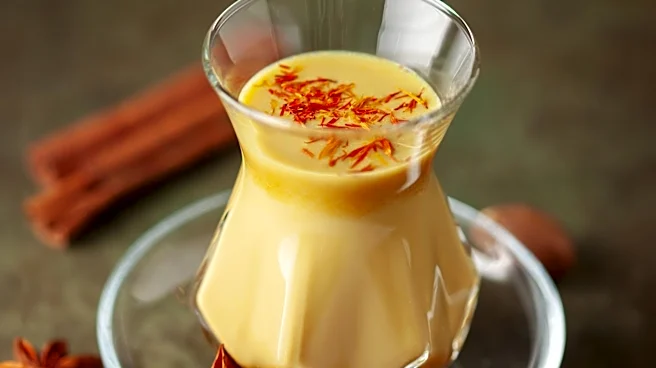
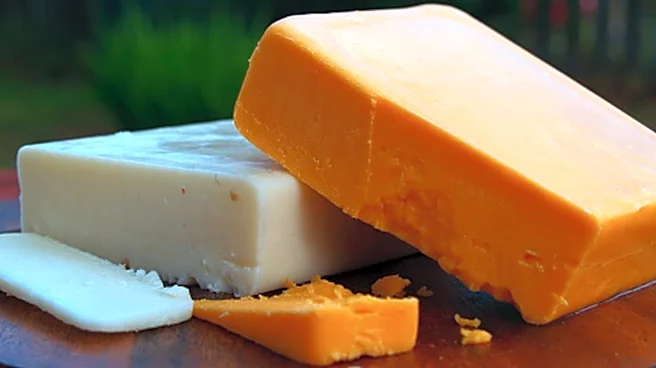
unctuous nature allows sauces to cling to food, ensuring flavors permeate effectively. Westmore categorizes spices into amalgamating, pungent/hot, and sweet/warm, suggesting that amalgamating spices, which provide a mild, earthy base, pair exceptionally well with dairy. For instance, cream works with cardamom, vanilla, and orange, while yogurt complements earthy spices like cumin due to its tangy sourness. Cheese also features prominently, with young cheeses like ricotta pairing with cardamom and vanilla, and aged cheeses matching well with cumin and paprika. This approach encourages chefs and home cooks to experiment with spice combinations and dairy components to create diverse and cost-effective menu options.
Why It's Important?
This culinary insight is important for the U.S. food industry, including restaurants, food manufacturers, and home cooks, as it offers a structured approach to flavor development and menu innovation. By understanding how dairy interacts with different spice categories, businesses can create more complex and appealing dishes, potentially leading to increased customer satisfaction and sales. For consumers, it provides practical guidance for elevating their cooking, making diverse international flavors more accessible and enjoyable. The emphasis on cost-effectiveness also suggests a benefit for businesses looking to diversify their offerings without significant investment in new ingredients, leveraging existing dairy and spice inventories. This knowledge can also influence product development in the dairy and spice sectors, encouraging new combinations and applications.
What's Next?
The continued promotion of these culinary principles by experts like Chef Westmore is likely to inspire more experimentation in U.S. kitchens. Foodservice providers may incorporate these pairings into new menu items, while food manufacturers could develop new dairy-based products infused with specific spice blends. Educational initiatives, such as cooking classes or online tutorials, might emerge to teach consumers how to effectively combine dairy and spices. This trend could also lead to an increased demand for a wider variety of spices and dairy products in the U.S. market, as both professional and amateur cooks seek to explore these flavor combinations. The focus on balancing flavors and understanding spice categories could become a more common practice in culinary education and recipe development.
Beyond the Headlines
Beyond immediate culinary applications, this emphasis on dairy and spice pairings reflects a broader cultural shift towards more adventurous and globally-inspired palates in the U.S. It highlights a growing appreciation for the nuanced complexities of international cuisines and the role of foundational ingredients in achieving authentic flavors. This trend could also foster greater cross-cultural culinary exchange, as traditional spice-dairy combinations from various global cuisines gain wider recognition and adaptation in the American context. Furthermore, the discussion about the 'unctuous' nature of dairy and its ability to 'trap' flavor touches upon the scientific aspects of food chemistry, suggesting a deeper understanding of how ingredients interact at a molecular level to create sensory experiences. This could encourage more scientific exploration into flavor profiles and ingredient functionality within the food industry.