







What's Happening?
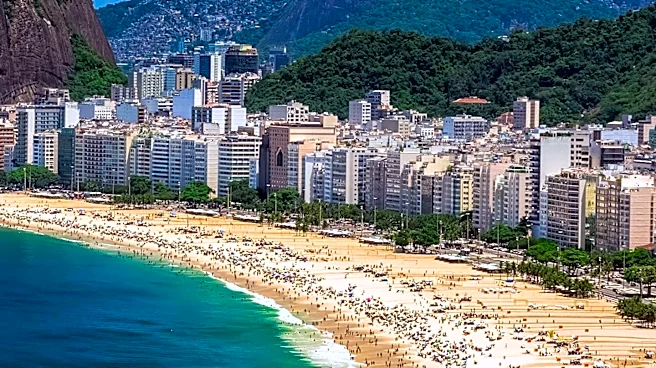
Brazil's tourism sector recorded a record €7.4 billion in revenue between January and September 2026, marking a 9.1% increase compared to the €6.8 billion generated during the same period in 2025, according to data from the Brazilian Central Bank. This
surge in revenue has positively impacted hotels, restaurants, transport, retail, and other tourism-related businesses across the country, solidifying tourism's role as a significant contributor to the Brazilian economy. In September alone, international visitors spent a record €812.9 million, an 8.33% increase from September 2025, attributed to Embratur's international marketing efforts. The country welcomed 7 million international visitors in the first nine months of the year, with international air travel seeing 4.9 million arrivals, a 9.7% increase from the previous year. Brazil's strategy to diversify its tourism markets, particularly through Embratur's Brasis Plan for 2025-2027 targeting 23 key markets, has been a major factor in this growth, with 20 of these markets showing increased visitor numbers.
Why It's Important?
The record-breaking performance of Brazil's tourism sector signifies a robust economic recovery and diversification strategy. This growth directly translates into job creation and increased revenue for a wide array of businesses, from hospitality to transportation, thereby strengthening the national economy. The strategic focus on diversifying international markets, as evidenced by significant increases in visitors from countries like China, Colombia, Mexico, Peru, and Canada, reduces reliance on any single source market and makes the sector more resilient to global economic fluctuations. Furthermore, the increase in international visitors across various regions within Brazil, particularly the Northeast, indicates a more equitable distribution of economic benefits beyond traditional tourist hubs. This sustained growth reinforces Brazil's position as a leading tourism destination in Latin America, as recognized by the World Economic Forum’s Travel and Tourism Development Index 2026, despite a slight global ranking drop.
What's Next?
Brazil's tourism sector is poised for continued growth, driven by the ongoing implementation of Embratur's international marketing plan, the Brasis Plan. The focus on diversifying markets and attracting visitors from a broader range of countries is expected to sustain the upward trend in revenue and visitor numbers. The government and tourism stakeholders will likely continue to invest in infrastructure and promotional activities to capitalize on this momentum. However, challenges remain, including managing the concentration of tourists, improving infrastructure, and addressing increased costs to ensure that the benefits of tourism are widely distributed and sustainable for local communities. Monitoring these factors will be crucial for maintaining the sector's positive trajectory and ensuring its long-term health and contribution to the Brazilian economy.
Beyond the Headlines
The success of Brazil's tourism sector extends beyond mere economic figures; it reflects a broader national effort to enhance its global image and leverage its natural and cultural assets. The strategic diversification of tourism markets suggests a sophisticated understanding of global travel trends and geopolitical shifts, positioning Brazil to attract a wider demographic of international travelers. This growth also highlights the importance of effective public policy and marketing campaigns in driving economic sectors. However, the challenges of tourist concentration and infrastructure development point to the delicate balance between economic gain and sustainable development. Ensuring that increased tourism benefits local communities and preserves natural and cultural heritage will be critical for long-term success, preventing potential negative impacts such as over-tourism or environmental degradation. This ongoing effort will shape Brazil's identity as a responsible and attractive global destination.