






What's Happening?
High-fiber meal plans for digestive health focus on incorporating fiber-rich plant foods into every meal and snack, rather than consuming large amounts at once. This approach emphasizes a gradual increase in fiber intake, paired with adequate water consumption,
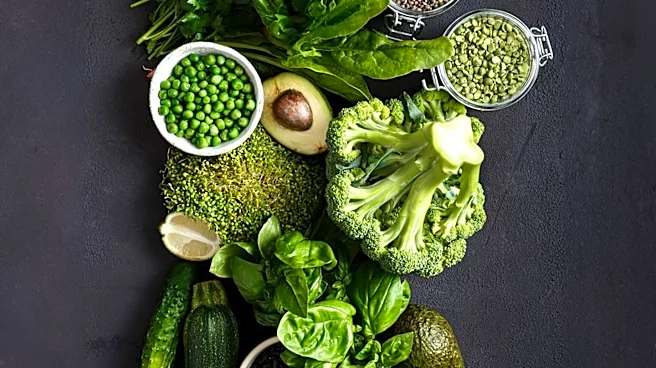
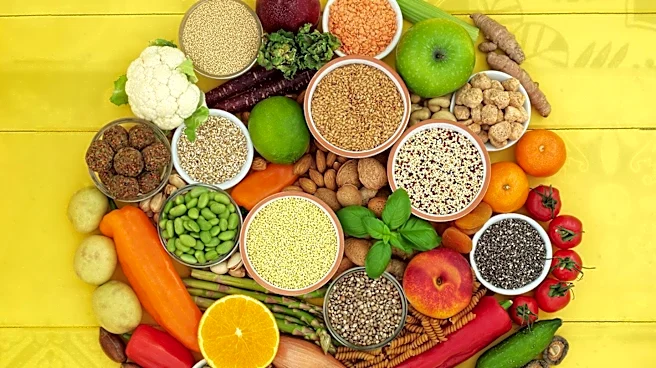
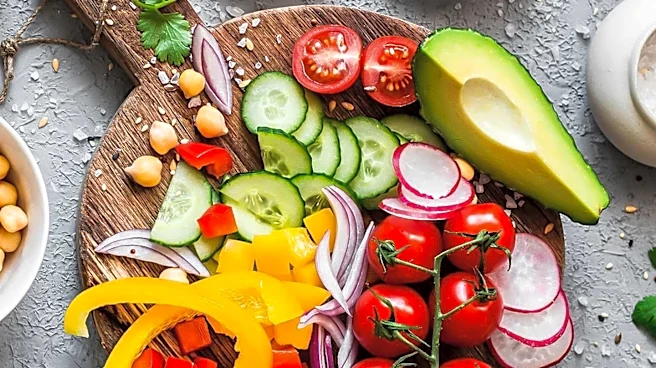
to allow the digestive system to adjust comfortably and prevent issues like bloating or gas. Key food groups to build meals around include whole grains (oats, brown rice), legumes (beans, lentils), fruits (berries, pears, apples), vegetables (broccoli, leafy greens), and nuts and seeds. The goal is to provide both soluble fiber, which forms a gel to smooth digestion, and insoluble fiber, which adds bulk and promotes regularity, by consuming a variety of plant-based foods.
Why It's Important?
This personalized and gradual approach to increasing fiber intake is crucial for improving digestive health and overall well-being. Many individuals consume insufficient fiber, leading to digestive discomfort and other health issues. By spreading fiber intake throughout the day and focusing on diverse plant sources, the plan supports a healthy gut microbiome and consistent bowel function. The emphasis on gradual integration helps individuals avoid adverse effects, making the dietary change sustainable. This strategy also highlights the importance of whole, unprocessed foods and encourages a more mindful approach to eating, moving away from restrictive diets towards a balanced and varied intake of plant-based nutrients.
What's Next?
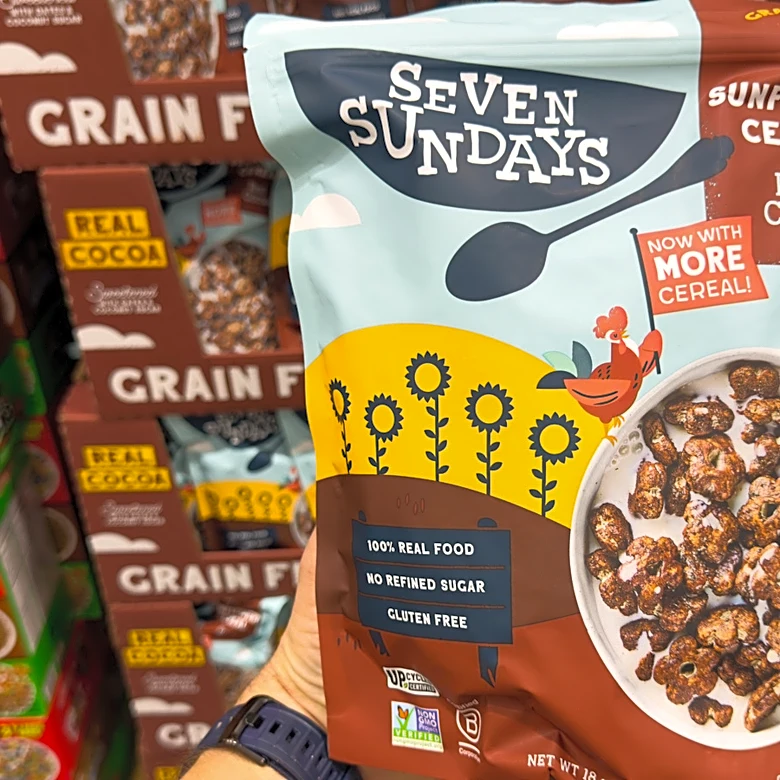
The trend towards personalized nutrition and convenient healthy eating solutions will likely continue to grow. Meal delivery services and food companies are expected to offer more options that cater to high-fiber dietary needs, simplifying meal planning and preparation for consumers. Educational resources will continue to emphasize the benefits of diverse plant foods and the importance of hydration alongside fiber intake. Consumers can anticipate more tools and guidance to help them track their fiber consumption and identify fiber-rich foods. The focus will remain on making healthy eating accessible and enjoyable, integrating fiber naturally into daily routines rather than as a strict regimen.
Beyond the Headlines
The promotion of high-fiber diets extends beyond immediate digestive benefits, touching upon broader public health goals such as reducing the risk of chronic diseases like heart disease and type 2 diabetes. By encouraging a diet rich in whole plant foods, this approach fosters a more sustainable and environmentally friendly eating pattern. It also challenges the notion that healthy eating must be complicated or restrictive, advocating for simple, everyday food choices. The emphasis on listening to one's body and making gradual changes promotes a healthier relationship with food, moving away from diet culture towards intuitive eating and long-term wellness. This holistic view of nutrition underscores the interconnectedness of diet, health, and lifestyle.