







What's Happening?
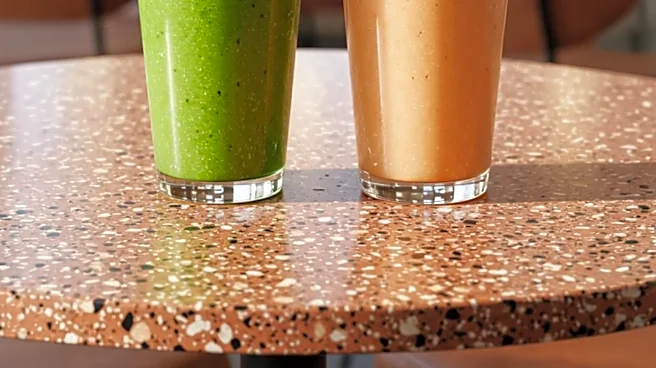
Korean 'Ade' beverages, a type of non-carbonated soft drink made from fruit concentrate, syrup, or purée mixed with water and ice, are experiencing a surge in interest. These drinks, often seen in K-dramas, are lighter than pure juice and designed as thirst-quenchers.
They are typically offered in flexible stand-up pouches with screw caps, making them convenient for on-the-go consumption. Korean Ades come in two main categories: classic versions with a clear, refreshing taste from fruit concentrate, and a popular style that combines fruit flavor with a milky component, often using skimmed milk powder for a creamy texture. Brands like Cantabile offer various flavors, including Pomegranate, Melon, Watermelon, and Orange Ade, catering to different preferences from tart-sweet to creamy-fruity and low-calorie options. The ingredients often include a combination of sugar and sweeteners, and some products are specifically formulated to be low-calorie. Consumers are advised to check for colorants, as some may require warnings regarding their potential effect on children's activity and attention.
Why It's Important?
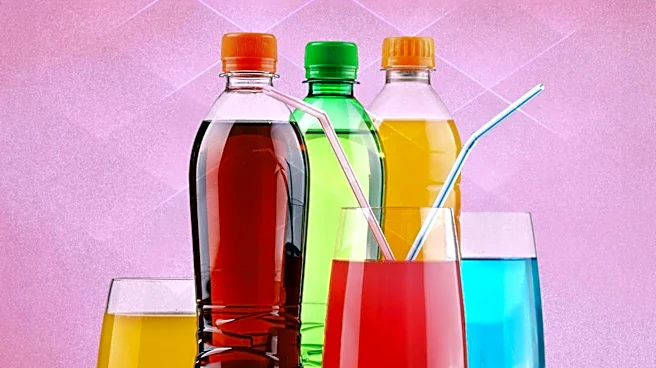
The growing popularity of Korean Ade beverages signifies a shift in consumer preferences towards non-carbonated, fruit-based soft drinks in the U.S. market. This trend could impact the beverage industry by increasing demand for diverse, international drink options and influencing product development towards lighter, more refreshing, and potentially lower-calorie alternatives to traditional sodas and juices. The convenience of pouch packaging also reflects a broader consumer desire for portable and easy-to-consume products. For consumers, these drinks offer a new range of flavors and textures, expanding their choices beyond conventional offerings. The emphasis on ingredient transparency, particularly regarding sweeteners and colorants, highlights a growing consumer awareness and demand for healthier or more informed beverage choices. This trend could also open new market opportunities for importers and distributors of Asian food and beverage products in the U.S.
What's Next?
As Korean Ade beverages continue to gain traction, it is likely that more varieties and brands will become available in the U.S. market, both in specialized Asian markets and mainstream retail channels, including online platforms. Beverage companies may explore partnerships with Korean manufacturers or develop their own lines of similar non-carbonated fruit drinks to capitalize on this growing trend. There could also be an increased focus on marketing these beverages to a wider audience, leveraging their cultural appeal from K-dramas and their perceived health benefits as lighter alternatives. Furthermore, as consumer demand for transparency in ingredients grows, manufacturers may face pressure to offer more natural or 'clean label' versions of these drinks, potentially leading to innovations in formulations and sourcing. The success of Korean Ades could also pave the way for other international non-carbonated beverage trends to emerge in the U.S.
Beyond the Headlines
The rise of Korean Ade beverages in the U.S. reflects a broader cultural phenomenon where global media, such as K-dramas, significantly influence consumer tastes and product adoption. This trend underscores the power of cultural exchange in shaping market demands, moving beyond traditional marketing channels. It also highlights a shift in the beverage industry towards experiential consumption, where drinks are not just about hydration but also about cultural exploration and unique flavor profiles. The preference for non-carbonated options may also indicate a long-term shift away from heavily carbonated sodas, driven by health consciousness and a desire for more natural-feeling beverages. This could lead to a re-evaluation of beverage portfolios by major companies, encouraging them to diversify into more niche, culturally-inspired, and non-carbonated segments. The convenience of pouch packaging also points to evolving lifestyle trends that prioritize portability and ease of use in food and drink consumption.