




What's Happening?
Tesla is actively recruiting an Associate Security Intelligence Investigator to safeguard the company's intellectual property, trade secrets, and confidential information. This role is integral to a team of investigators responsible for both proactive
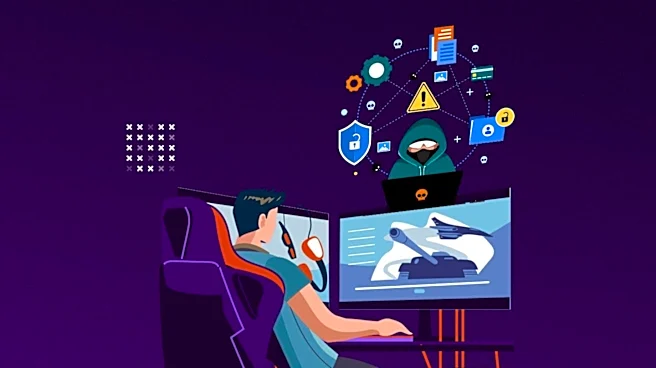
and reactive measures against internal and external threats to Tesla's assets. The investigator will assist in highly sensitive, complex, and confidential investigations related to data loss, intellectual property theft, technology misuse, and conflicts of interest. Key responsibilities include conducting reviews and analysis of internal network activity and open-source information to identify data loss incidents. The position requires collaboration with technical forensic investigators to integrate technical and human investigations into a highly efficient function. Furthermore, the Associate Security Intelligence Investigator will partner with Legal and Human Resources departments, as well as other investigative and analysis functions within the company, to ensure the timely completion of investigations. The role demands the ability to solve complex problems using data from multiple sources and to provide recommendations to leadership on appropriate strategies.
Why It's Important?
This recruitment underscores the critical importance of intellectual property protection for technology and manufacturing companies like Tesla. In an era of intense competition and rapid innovation, safeguarding trade secrets and confidential information is paramount to maintaining a competitive edge and preventing significant financial losses. For the U.S. technology sector, this highlights the growing need for specialized security intelligence roles that combine investigative skills with an understanding of digital forensics and corporate governance. The emphasis on both proactive and reactive investigations indicates a comprehensive approach to security, aiming to prevent breaches while also effectively responding to them. The collaboration with legal and HR departments also signifies the complex, multi-faceted nature of corporate security, which often involves legal, ethical, and human resource considerations. This role is vital for ensuring Tesla's continued innovation and market leadership by protecting its core assets from various threats.
What's Next?
The successful Associate Security Intelligence Investigator will contribute to strengthening Tesla's overall security posture and its ability to protect proprietary information. This will involve continuous monitoring of potential threats, developing advanced investigative techniques, and adapting to evolving methods of intellectual property theft. The role will likely require ongoing professional development in areas such as cybersecurity, data analytics, and legal frameworks related to corporate espionage and data protection. As Tesla continues to innovate and expand globally, the need for robust security intelligence will only intensify, making this position a key component of the company's long-term strategy. The investigator's findings and recommendations will directly influence security policies and technological safeguards, ensuring that Tesla remains at the forefront of protecting its valuable assets.
Beyond the Headlines
Beyond the immediate corporate security implications, this role touches upon broader issues of economic espionage and national security. The protection of intellectual property by leading U.S. companies like Tesla is not just a corporate concern but also a matter of national economic competitiveness and technological leadership. The increasing sophistication of threats, including state-sponsored industrial espionage, means that corporate security intelligence roles are becoming more akin to national intelligence functions. This trend raises questions about the balance between corporate autonomy and national security interests, and the potential for greater collaboration between private sector security teams and government agencies. The ethical dimensions of internal investigations, particularly those involving employee conduct and data privacy, also come to the forefront, requiring investigators to navigate complex legal and moral landscapes while upholding corporate values and employee rights.