






What's Happening?
As winter approaches, home workouts are presented as a practical and effective solution for maintaining fitness without the need for gym commutes or specialized equipment. This approach emphasizes combining strength exercises, cardio, and mobility work,
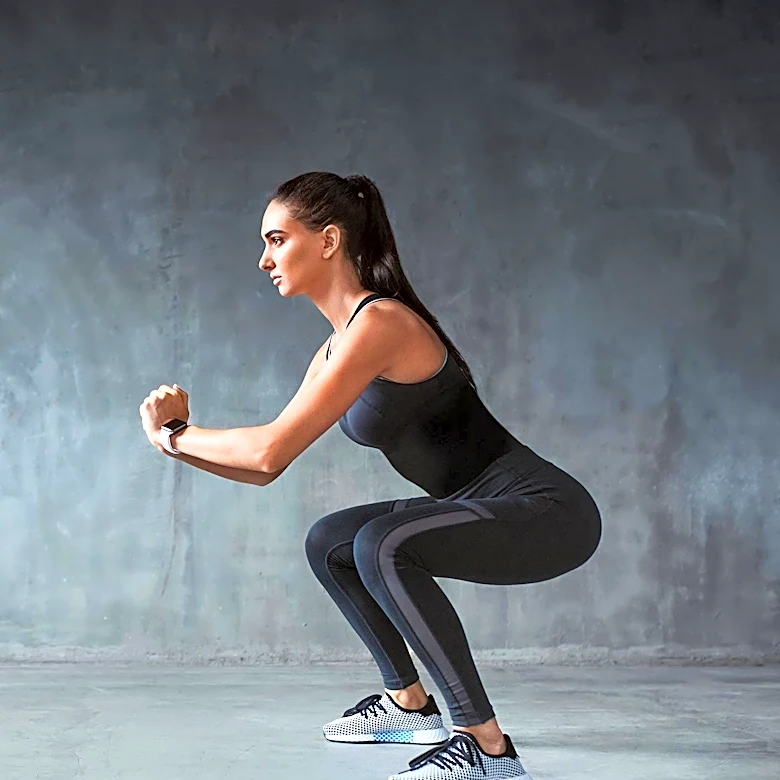
with a focus on variety to prevent boredom. Bodyweight exercises like push-ups, squats, lunges, and planks are highlighted for their ability to engage major muscle groups without requiring a gym membership. For cardio, activities such as brisk marching in place, stair climbing, and low-impact step jacks can effectively elevate heart rate. The Centers for Disease Control and Prevention (CDC) recommends at least 150 minutes of moderate-intensity aerobic activity weekly, alongside muscle-strengthening exercises on two days, noting that shorter sessions contribute to the overall weekly total. The key is to create a sustainable routine that fits into one's daily life, gradually increasing intensity and resistance as fitness improves.
Why It's Important?
The emphasis on accessible home workouts is significant for public health, particularly during colder months when outdoor activities may be limited and gym attendance can be inconvenient. By promoting bodyweight and minimal-equipment exercises, this approach democratizes fitness, making it achievable for a wider demographic regardless of financial constraints or access to gyms. This can lead to improved overall health outcomes, including better cardiovascular health, increased strength, and enhanced mobility, which are crucial for preventing chronic diseases. For individuals with busy schedules, the flexibility of home workouts removes common barriers to exercise, fostering consistent physical activity. The focus on sustainability and gradual progression also helps reduce the risk of injury and burnout, encouraging long-term adherence to fitness goals. This shift towards home-based fitness could also influence the market for home exercise equipment and digital fitness platforms.
What's Next?
Individuals are encouraged to start with the space and equipment they currently possess, gradually building their routine as strength and stamina improve. A structured plan might involve strength training on specific days, indoor cardio on others, and short mobility sessions throughout the week, with rest days interspersed. Recording repetitions or workout duration is advised to track progress and motivate incremental increases in workload. For those returning to exercise after a break, a gentle start and gradual build-up are recommended. Men with chronic conditions or concerns about vigorous exercise should seek medical guidance before increasing intensity. The continued adoption of home workout routines could lead to further innovation in fitness technology and online coaching, catering to a growing demand for convenient and personalized exercise solutions.
Beyond the Headlines
The rise of effective home workout strategies reflects a broader cultural shift towards self-sufficiency and adaptability in personal well-being. This trend challenges traditional notions of fitness, demonstrating that significant health benefits can be achieved outside conventional gym settings. It also highlights the importance of mental resilience and discipline, as individuals must self-motivate and structure their routines without external accountability from trainers or gym environments. Furthermore, the emphasis on mobility and injury prevention underscores a more holistic approach to fitness, moving beyond mere aesthetics to focus on functional strength and long-term physical health. This could lead to a re-evaluation of urban planning and home design, with greater consideration for spaces that facilitate indoor physical activity.