



What's Happening?
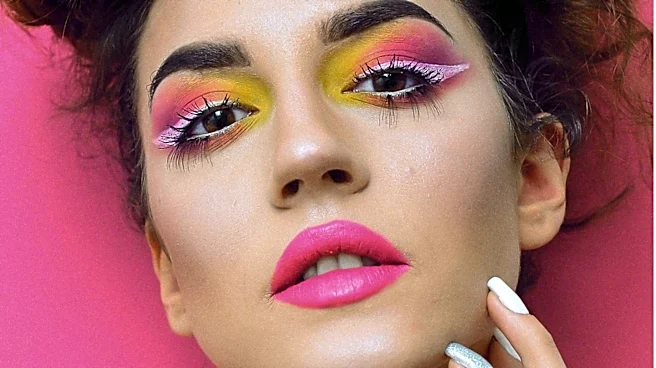
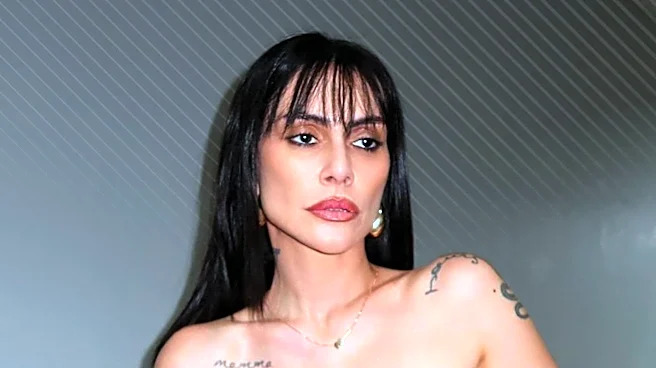
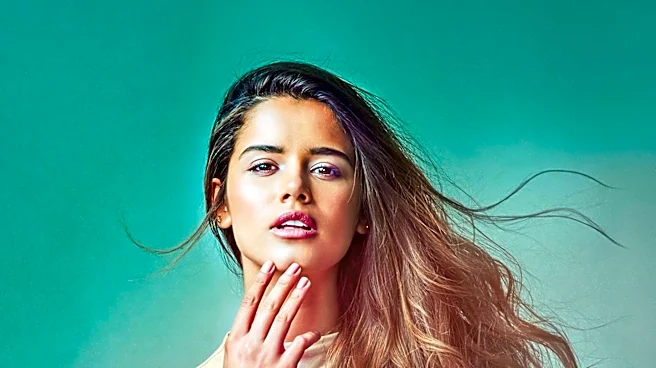
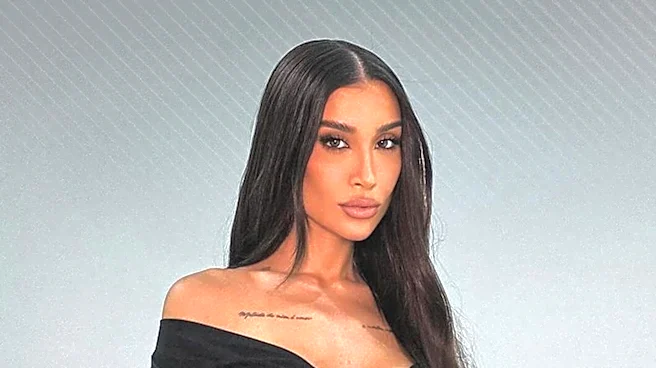
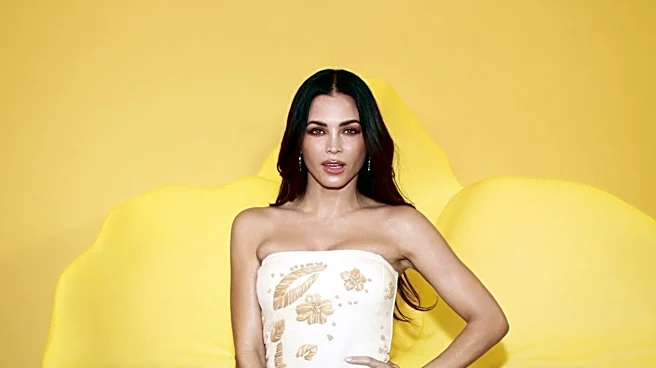
The concept of 'Instagram face,' a beauty standard popularized by social media platforms like Instagram and Snapchat, is increasingly influencing young people's perceptions of beauty. Originally coined by New Yorker staff writer Jia Tolentino, 'Instagram face'
refers to a specific look characterized by features such as lifted cheeks, plump lips, and larger eyes, often achieved through beauty filters and cosmetic procedures. This trend, which began among celebrities and influencers, has now permeated the general population, leading to a rise in plastic surgeries and cosmetic enhancements among teenagers and young adults. Tolentino highlights that procedures like Botox and fillers, traditionally associated with middle-aged individuals, are now being sought by those under 30, including teenagers. This shift reflects a broader societal trend towards optimizing physical appearance, driven by the pervasive influence of social media.
Why It's Important?
The growing popularity of 'Instagram face' underscores significant cultural and societal implications, particularly concerning self-image and mental health among young people. As cosmetic procedures become more normalized, there is a risk of reinforcing unrealistic beauty standards that prioritize physical perfection over individuality and natural beauty. This trend may contribute to increased pressure on young individuals to conform to these standards, potentially leading to issues such as body dysmorphia and low self-esteem. Furthermore, the emphasis on cosmetic enhancement reflects broader societal values that prioritize appearance, which could have long-term effects on how beauty and self-worth are perceived. The trend also raises ethical questions about the role of social media in shaping cultural norms and the responsibility of platforms in mitigating these impacts.
What's Next?
As the trend of 'Instagram face' continues to grow, it is likely that discussions around the ethical implications of cosmetic procedures and the role of social media in promoting certain beauty standards will intensify. Stakeholders, including policymakers, educators, and mental health professionals, may need to address these issues by promoting media literacy and encouraging a more diverse representation of beauty. Additionally, there may be increased calls for social media platforms to implement measures that reduce the pressure on users to conform to unrealistic beauty ideals. The ongoing dialogue could lead to a reevaluation of societal values related to beauty and self-worth, potentially fostering a more inclusive and accepting cultural landscape.
Beyond the Headlines
The 'Instagram face' phenomenon also highlights deeper issues related to identity and cultural representation. The trend often involves a blend of features from various ethnicities, which can lead to a homogenization of beauty standards that erases cultural diversity. This raises questions about cultural appropriation and the impact of globalized beauty ideals on individual and cultural identity. Additionally, the reliance on AI and algorithms to define beauty standards reflects broader concerns about the influence of technology on personal and societal values. As these technologies continue to evolve, there will be ongoing debates about their role in shaping human experiences and the ethical considerations they entail.