







What's Happening?
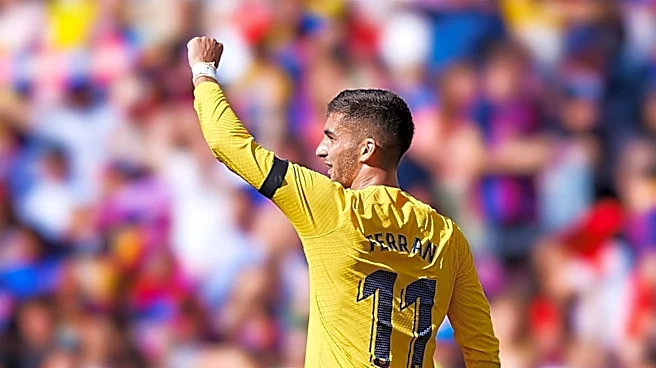
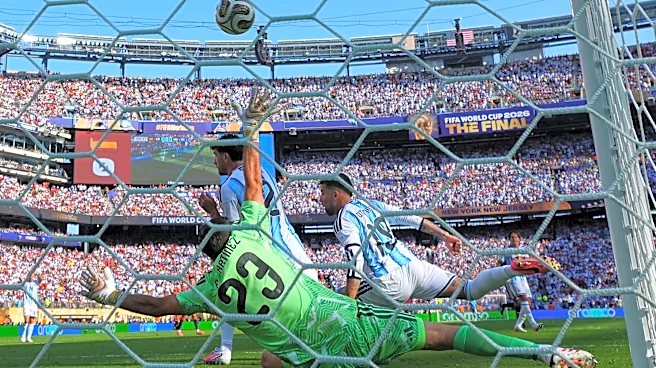
Ferran Torres, a Spanish forward, recently scored the winning goal in the FIFA World Cup, securing a victory for Spain against Argentina. This achievement marks a significant turnaround for Torres, who, four years ago, was dealing with a severe mental
health crisis. After a high-profile transfer to Barcelona and subsequent struggles with pressure and injuries, Torres sought therapy to address his mental health issues. His journey highlights the importance of mental health support in sports, as he credits therapy for helping him regain confidence and strength, ultimately leading to his success on the field.
Why It's Important?
Torres' story underscores the critical role of mental health in sports, where athletes often face immense pressure and scrutiny. His experience reflects a broader trend of athletes increasingly seeking mental health support to cope with the demands of their careers. This shift is significant as it challenges the stigma surrounding mental health in sports and encourages more athletes to prioritize their well-being. Torres' success serves as an example of how addressing mental health can lead to improved performance and personal growth, potentially influencing how sports organizations and athletes approach mental health in the future.
What's Next?
The growing recognition of mental health's importance in sports may lead to increased resources and support for athletes. Sports organizations might implement more comprehensive mental health programs, providing athletes with the tools and support needed to manage stress and pressure. Torres' story could inspire other athletes to seek help, fostering a culture where mental health is openly discussed and prioritized. As awareness continues to grow, the sports industry may see a shift towards more holistic approaches to athlete well-being, integrating mental health into training and development programs.