





What's Happening?
Industrial design is a critical discipline focused on shaping the aesthetic, ergonomic, and functional aspects of physical products. It encompasses the product's form, user comfort, control mechanisms, color, material selection, and surface finishes.
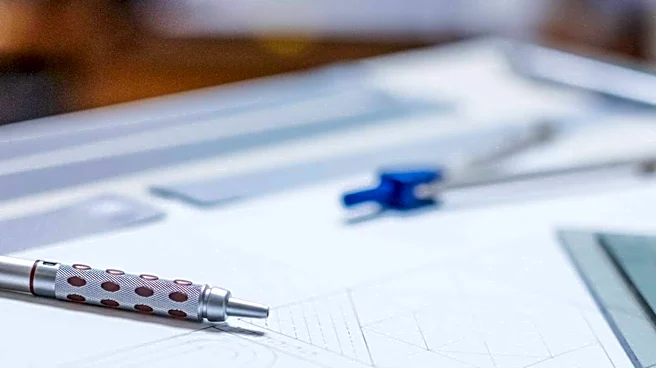
A key aspect of effective industrial design is its consideration for how a product will be engineered and manufactured, ensuring feasibility and cost-effectiveness. Services in this field typically include initial research and design briefs, conceptual sketches and models, ergonomic testing, studies on color, material, and finish (CMF), 3D CAD modeling and rendering, and a seamless handover to engineering teams. The process often involves carrying the design through prototyping and tooling development to ensure the approved design is the one that ultimately ships. Industrial design is integrated into the early phases of product development, starting with concept and strategy, and continues through the initial stages of engineering.
Why It's Important?
The importance of industrial design in the U.S. market is significant across various sectors, including automotive, medical devices, and consumer electronics. Good industrial design ensures that products are not only visually appealing but also useful, easy to understand, comfortable, and honest in their function. This approach directly impacts consumer adoption and market success. For businesses, particularly startups, strong industrial design can translate into more compelling product launches, easier investor conversations, and reduced redesign costs later in the development cycle. It helps differentiate products in competitive markets by focusing on user experience and manufacturability from the outset. Companies that prioritize industrial design are better positioned to create products that resonate with consumers and achieve commercial viability, influencing purchasing decisions and brand loyalty.
What's Next?
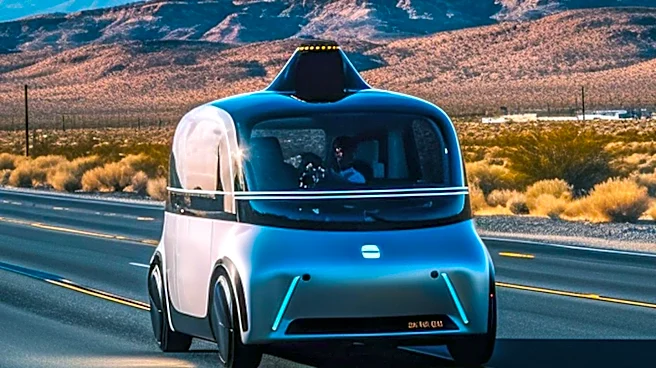
The field of industrial design continues to evolve with advancements in technology and manufacturing processes. Future developments will likely see increased integration of artificial intelligence (AI) in design workflows, enhancing capabilities in areas like generative design and material optimization. The emphasis on sustainability and circular economy principles will also drive designers to consider product lifecycles, recyclability, and the use of eco-friendly materials more rigorously. Furthermore, the demand for highly specialized industrial designers, particularly in emerging sectors like autonomous vehicles and advanced consumer electronics, is expected to grow. Educational institutions and professional organizations will continue to play a vital role in training the next generation of designers to meet these evolving industry needs, fostering innovation and ensuring products are both cutting-edge and responsible.
Beyond the Headlines
Beyond the immediate commercial impact, industrial design plays a profound role in shaping human interaction with technology and the built environment. It addresses ethical considerations by ensuring products are accessible and inclusive, avoiding designs that might exclude certain user groups. Legally, industrial design often involves intellectual property considerations, protecting unique product forms and aesthetics through patents and trademarks. Culturally, well-designed products can become iconic, influencing trends and reflecting societal values. The discipline also fosters a long-term shift towards user-centered innovation, where the human experience is paramount in product development. This holistic approach ensures that products are not just functional tools but also meaningful objects that enhance daily life and contribute positively to society.