








What's Happening?
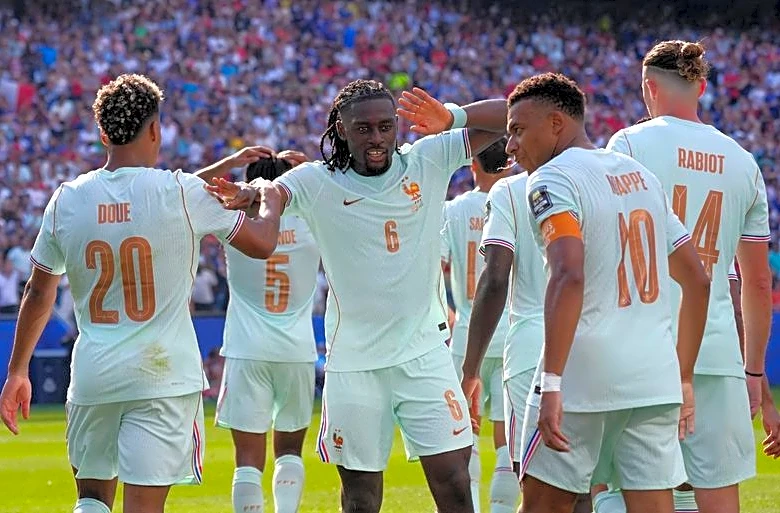
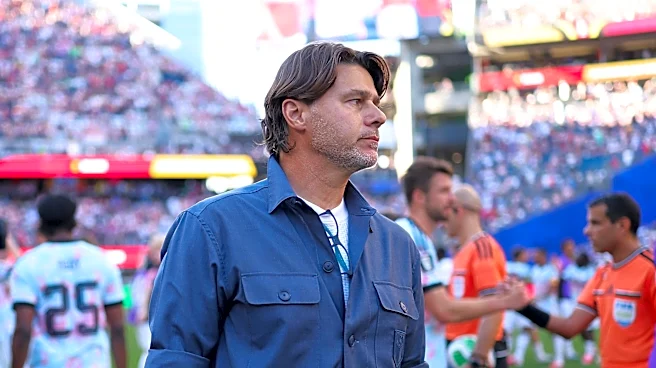
The U.S. men's national soccer team (USMNT) experienced a mixed performance at the recent FIFA World Cup. Under the guidance of coach Mauricio Pochettino, the team started strong with a 4-1 victory over Paraguay and continued with wins against Australia
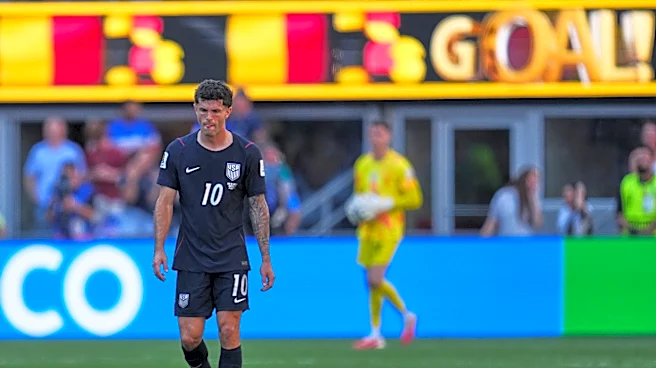
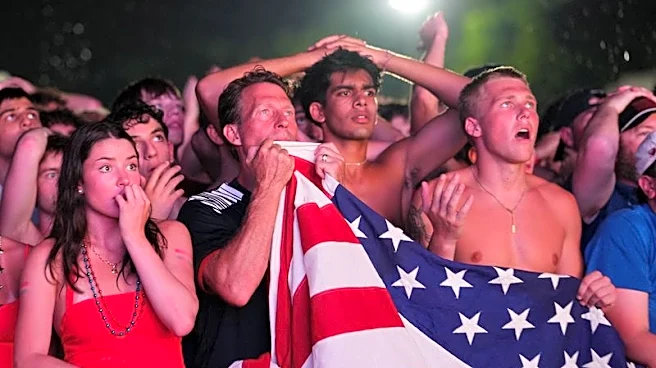
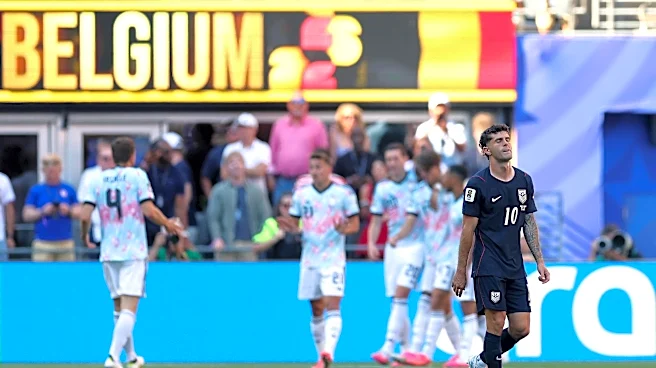
and Bosnia-Herzegovina. However, a significant defeat to Belgium in the round of 16 marked a disappointing end to their campaign. The team's tactical approach, characterized by high pressing and wing play, initially seemed effective, but ultimately fell short against Belgium's superior athleticism and tactical execution. Psychological factors also played a role, with the team appearing passive and lacking energy during the crucial match against Belgium.
Why It's Important?
The USMNT's performance at the World Cup is significant as it reflects both the progress and the challenges facing U.S. soccer on the international stage. The team's early successes generated excitement and increased interest in soccer across the United States, highlighting the sport's growing popularity. However, the defeat to Belgium underscores the need for further development in both tactical execution and psychological preparation. This performance serves as a reality check for the USMNT, emphasizing the importance of addressing these areas to compete more effectively against top-tier international teams in future tournaments.
What's Next?
Looking ahead, the USMNT will need to regroup and focus on improving their tactical and psychological strategies. This includes refining their high-pressing style and ensuring players are mentally prepared for high-stakes matches. The team will also need to evaluate their roster and make necessary adjustments to strengthen their midfield and defensive capabilities. As the U.S. continues to host major soccer events, including future World Cups, the USMNT's ability to learn from this experience and enhance their performance will be crucial for maintaining and growing the sport's popularity domestically.
Beyond the Headlines
The USMNT's World Cup journey highlights broader implications for U.S. soccer, including the need for investment in player development and coaching. The psychological challenges faced by the team suggest a need for enhanced mental health and resilience training for athletes. Additionally, the performance raises questions about the effectiveness of current training methodologies and the potential benefits of integrating more diverse tactical approaches. As soccer continues to gain traction in the U.S., these considerations will be vital for the sport's long-term growth and success on the international stage.