



What's Happening?
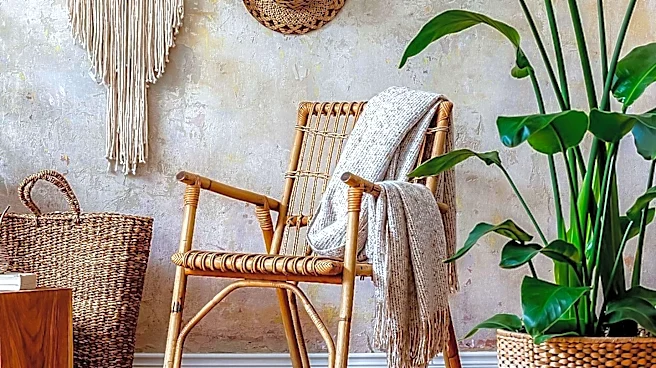
Cottagecore decor is a popular aesthetic that focuses on vintage charm, natural elements, and cozy atmospheres. This style frequently incorporates artificial flowers and greenery, providing low-maintenance beauty throughout the year. Key components of
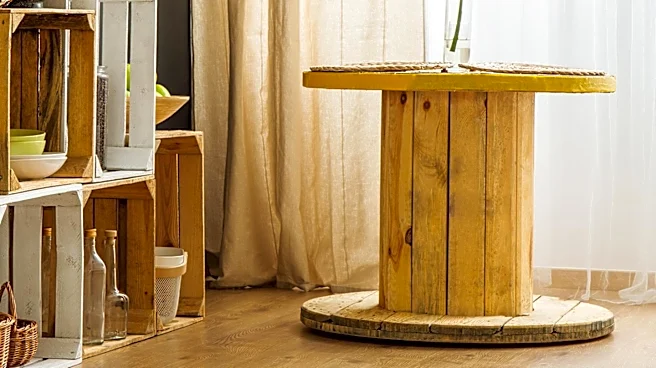
cottagecore include vintage folk art, various floral arrangements, and rustic furniture. The aesthetic is further defined by its use of warm, inviting color palettes and antique room decor ideas. This trend aims to create a serene and nostalgic environment, often drawing inspiration from idealized rural life and traditional craftsmanship. The emphasis is on comfort, simplicity, and a connection to nature, making it a favored choice for those looking to infuse their living spaces with a sense of tranquility and timelessness.
Why It's Important?
The rise of cottagecore decor reflects a broader societal interest in comfort, nostalgia, and sustainable living practices within the U.S. home decor market. This trend impacts industries ranging from furniture manufacturing and textile design to artificial plant production and antique sales. Businesses that adapt to this aesthetic by offering products like rustic furniture, vintage-inspired textiles, and faux botanicals stand to gain significant market share. Conversely, companies focused solely on modern, minimalist designs might find themselves needing to diversify their offerings to remain competitive. The emphasis on natural elements and durability also aligns with growing consumer demand for environmentally conscious products, potentially influencing manufacturing processes and material sourcing across the decor industry. This shift highlights a consumer preference for spaces that offer an escape from the fast-paced digital world, fostering a sense of peace and connection to simpler times.
What's Next?
The cottagecore trend is expected to continue influencing home decor and lifestyle choices in the U.S. In the near future, we may see an increased availability of mass-produced items that mimic the handmade and vintage aesthetic, making the style more accessible to a wider audience. Retailers are likely to expand their collections of floral arrangements, rustic furniture, and antique-inspired accessories. Furthermore, interior designers and home staging professionals will likely incorporate cottagecore elements into their projects to appeal to clients seeking comfort and natural beauty. The trend could also spur innovation in sustainable decor, with a focus on recycled materials and eco-friendly production methods to align with the natural ethos of cottagecore. Educational content, such as DIY guides for creating cottagecore-inspired spaces, is also anticipated to grow, empowering individuals to personalize their homes with this aesthetic.
Beyond the Headlines
Beyond its aesthetic appeal, cottagecore decor taps into deeper psychological and cultural undercurrents in the U.S. It represents a yearning for simplicity and a retreat from the complexities of modern life, offering a sense of stability and comfort in uncertain times. The emphasis on natural elements and traditional crafts can foster a greater appreciation for artisanal skills and local economies. Ethically, the trend encourages conscious consumption by valuing durability and timelessness over fleeting trends, potentially reducing waste in the long run. Culturally, cottagecore can be seen as a romanticized reinterpretation of rural heritage, influencing not just home decor but also fashion, media, and even food trends. This movement suggests a collective desire to reconnect with nature and embrace a slower, more intentional way of living, reflecting a broader societal shift towards well-being and mindfulness.