
What's Happening?
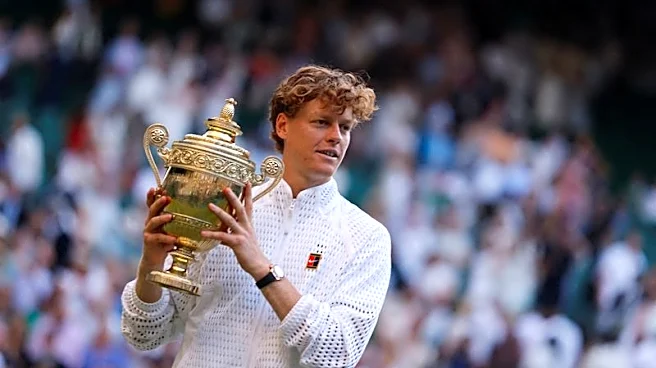
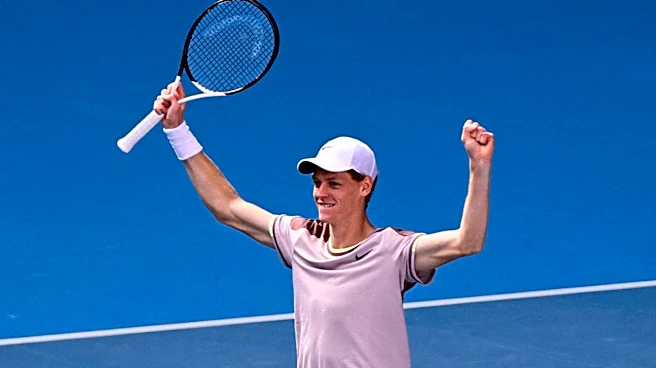
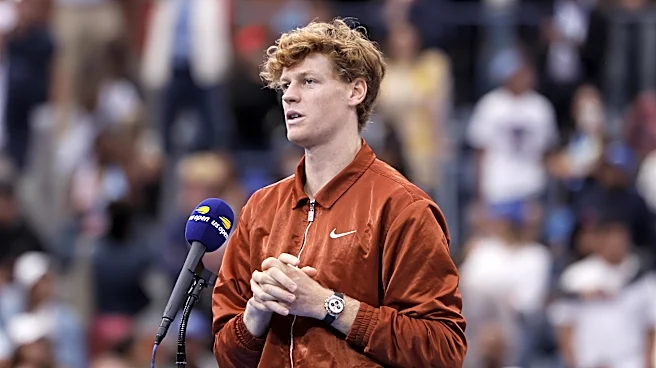
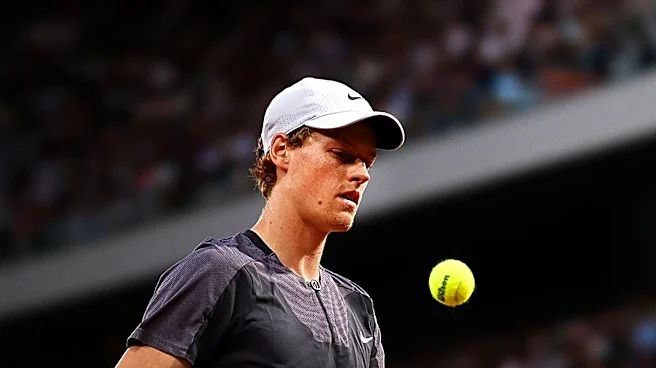
Chris Eubanks, a former tennis player and current consultant, has expressed significant enthusiasm for the new coaching partnership between Jannik Sinner and Magnus Norman. Eubanks, speaking on Tennis
Channel's Big T podcast, described the pairing as a 'perfect match.' This development follows the official departure of Darren Cahill from Sinner's coaching team. Norman, known for his successful work with players like Robin Soderling and Stan Wawrinka, is set to join Sinner's camp in 2027. Eubanks believes Norman's calm, relaxed, and positive demeanor, similar to Cahill's, makes him an ideal successor. He also highlighted Norman's ability to adapt his coaching approach to individual players, referencing his past success in transforming Stan Wawrinka's game, particularly in physical conditioning and tactical adjustments.
Why It's Important?
This coaching change is significant for Jannik Sinner's career trajectory in professional tennis. The endorsement from a respected figure like Chris Eubanks underscores the potential positive impact of Magnus Norman's involvement. Norman's track record of developing top players suggests that Sinner could see further refinement in his game, particularly in tactical aspects, as Eubanks noted. The continuity in coaching philosophy, with both Norman and Cahill sharing calm and positive approaches, could ensure a smooth transition and minimize disruption to Sinner's performance. For the broader tennis world, this partnership could signal a new phase in Sinner's development, potentially elevating his status as a contender in major tournaments and influencing the competitive landscape of men's tennis.
What's Next?
Magnus Norman is expected to officially join Jannik Sinner's team in 2027, taking on a role that Eubanks anticipates will be more tactical than technical, complementing Simone Vagnozzi, who remains Sinner's technical coach. The focus will likely be on integrating Norman's strategic insights into Sinner's game without making drastic technical alterations, as Sinner is already considered a top player when healthy. The tennis community will be watching closely to see how this new coaching dynamic translates into on-court performance and results for Sinner in upcoming seasons. The effectiveness of this 'perfect match' will be measured by Sinner's continued progress and success in major competitions.
Beyond the Headlines
The decision to bring in Magnus Norman highlights the evolving nature of professional tennis coaching, where specialized roles and complementary skill sets within a coaching team are becoming increasingly common. Eubanks's analysis suggests a strategic move to enhance Sinner's tactical prowess while maintaining his existing technical foundation. This approach reflects a broader trend in elite sports where coaches are chosen not just for their individual expertise but for how well they integrate into an existing support structure. The emphasis on mental and tactical guidance, as opposed to fundamental technical overhauls, indicates a mature understanding of Sinner's current standing as a top athlete and the specific areas where marginal gains can lead to significant competitive advantages.