




What's Happening?
Lumana, a California-based startup founded by former Intel computer vision leaders, has raised $40 million in a Series A funding round. This investment, led by Wing Venture Capital with participation from Norwest Venture Partners and S Capital, brings
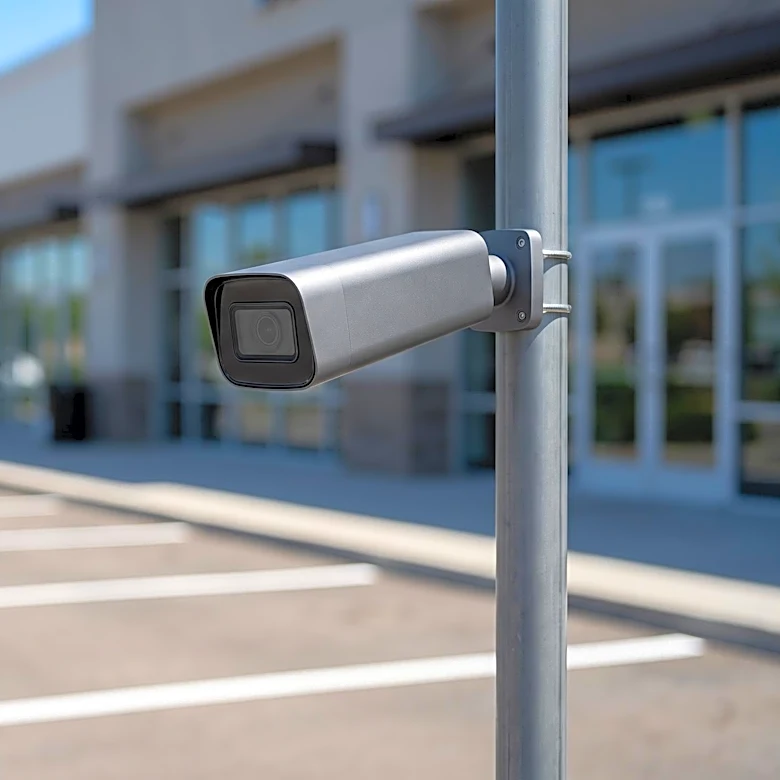
the company's total funding to $64 million. Lumana specializes in AI-powered video surveillance systems that process over a billion images daily across more than 50,000 cameras. Their VIA-1 model is designed to learn the 'normal' environment for each camera, flagging only deviations and significantly reducing false alerts compared to traditional motion detection systems. The company's technology is currently deployed with Fortune 500 businesses across the United States, aiming to make existing surveillance infrastructure more intelligent and useful by enabling software to understand real-time events.
Why It's Important?
This significant funding round highlights a growing investment in 'physical AI' and the transformation of existing surveillance infrastructure into intelligent monitoring systems. For U.S. industries, particularly those with extensive physical operations like manufacturing, logistics, and retail, Lumana's technology offers a substantial improvement in operational efficiency and security. By reducing false alarms by up to 90%, businesses can reallocate security personnel from passive monitoring to proactive investigation, leading to cost savings and enhanced response capabilities. The ability of the VIA-1 model to adapt to changing environments, such as new shift patterns or warehouse layouts, ensures the system remains effective and relevant, addressing a key limitation of older surveillance technologies. This advancement could set a new standard for how U.S. companies manage physical security and operational oversight.
What's Next?
Lumana plans to continue expanding its platform and customer base, leveraging the new funding to further develop its AI capabilities. The company anticipates a shift towards 'physical AI agents' that can automate monitoring, verification, and response actions, integrating with existing systems to trigger notifications or other connected actions when specific events are detected. As the technology evolves, there will be an increased focus on addressing privacy concerns associated with advanced video surveillance. Lumana already allows customers to customize retention policies and disable features like face and gender recognition based on local regulations. The next steps will likely involve refining these privacy controls and ensuring compliance as the systems become more pervasive and capable of deeper analysis.
Beyond the Headlines
The rise of advanced AI video surveillance systems like Lumana's brings forth deeper implications regarding the balance between security, efficiency, and individual privacy. While these systems offer undeniable benefits in preventing incidents and optimizing operations, the ethical considerations of constant monitoring in workplaces and public spaces will become increasingly prominent. The ability of AI to 'learn' what is normal and identify deviations raises questions about algorithmic bias and the potential for misinterpretation, especially in dynamic environments. Furthermore, the 'filter before you spend' approach, where most processing occurs locally, highlights a critical shift in data management and cybersecurity, reducing the amount of sensitive video data transmitted to the cloud. This could influence future regulatory frameworks for data handling in physical AI applications, impacting how U.S. businesses manage and secure their surveillance data.