






What's Happening?
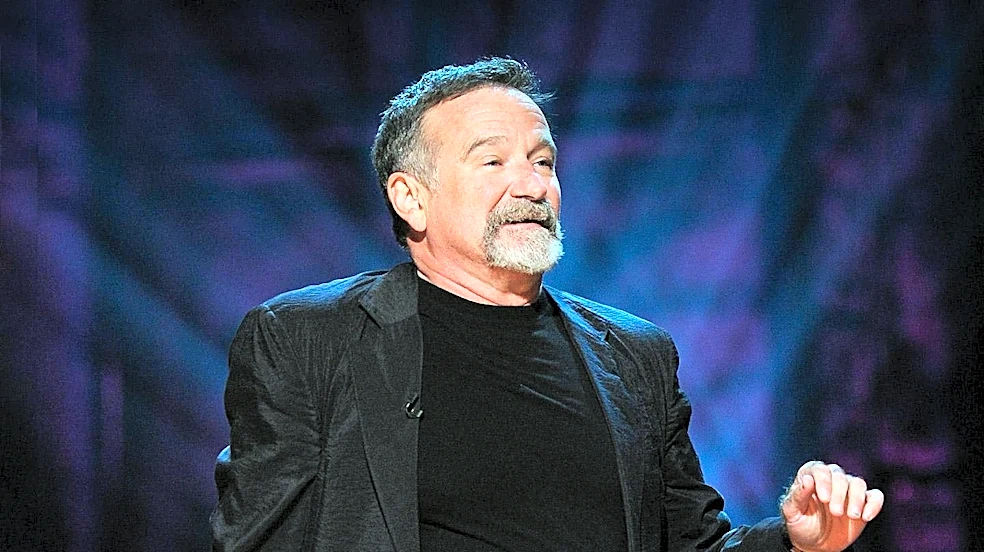
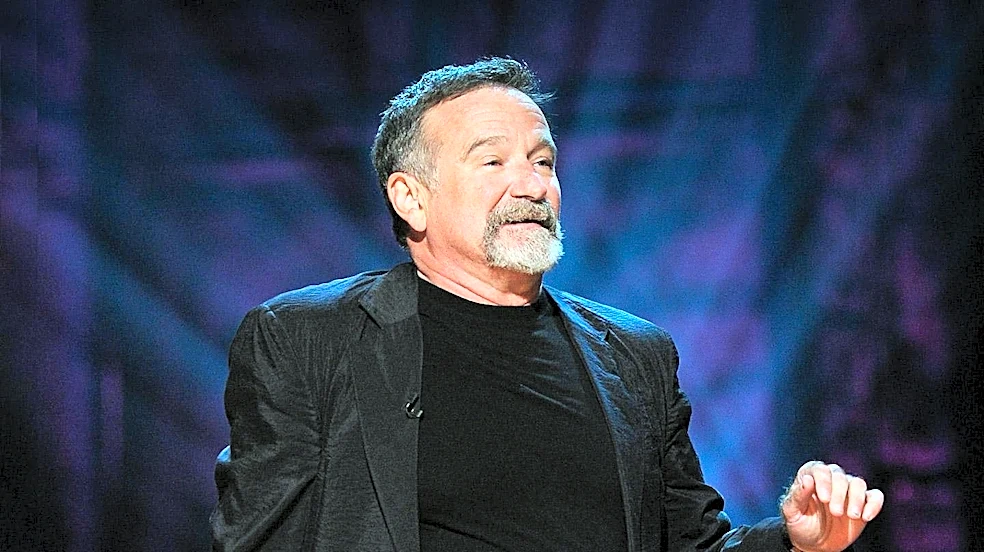
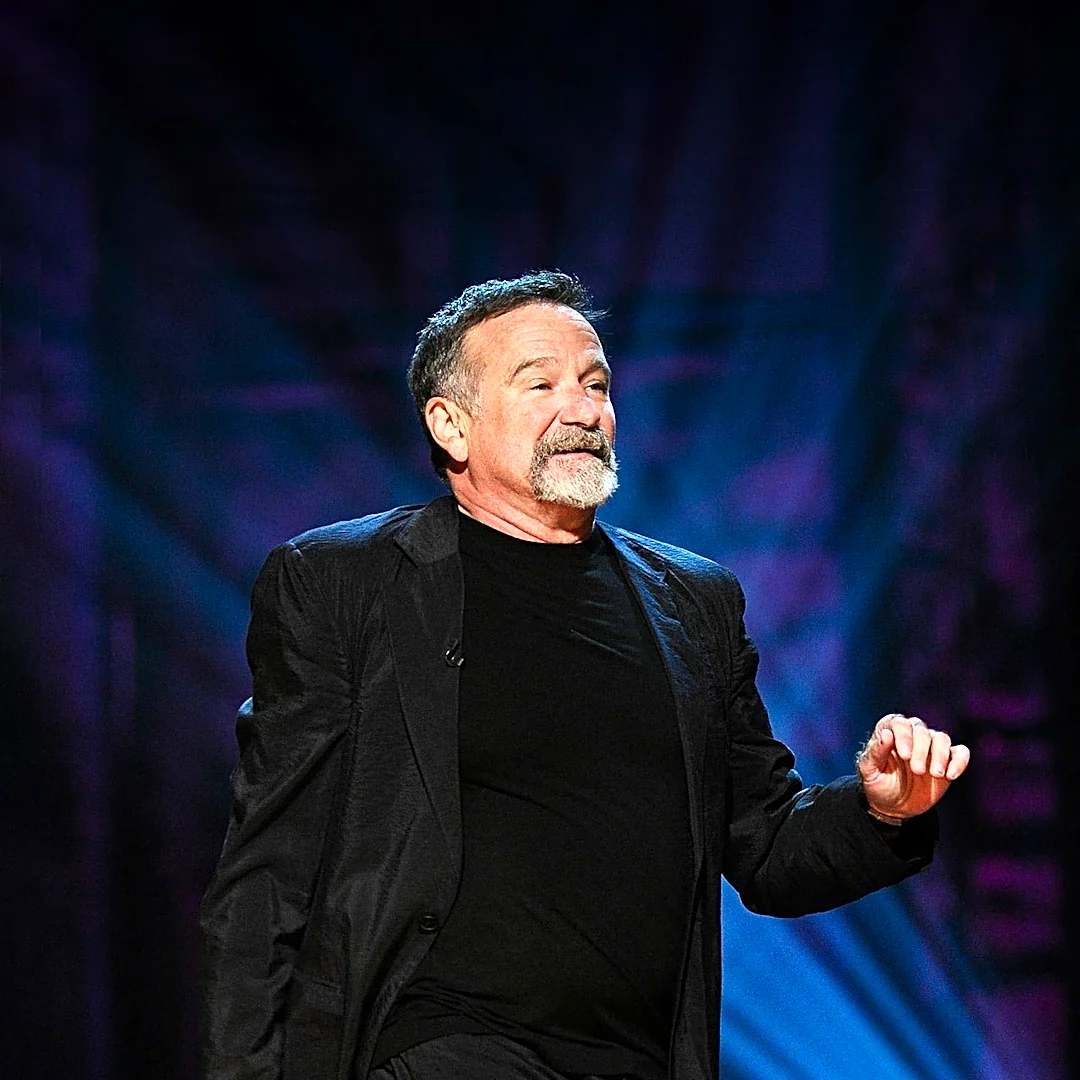
Robin Williams starred in the 2004 sci-fi psycho-thriller 'The Final Cut,' a film that, despite its intriguing premise, failed to achieve critical or commercial success. Directed by Omar Naim, the movie is set in a near future where memory implants record
every moment of a person's life. Williams plays Alan Hakman, a 'cutter' whose job is to edit these memories for deceased powerful individuals. Cutters are forbidden from having implants themselves and from selling or mixing memories. Hakman is tasked with editing the memories of a wealthy businessman, Charles Bannister, who is suspected of pedophilia. He is later approached by a former cutter, Fletcher, who offers him a large sum to sell Bannister's memories, forcing Hakman to confront ethical dilemmas and his own traumatic past.
Why It's Important?
The film's premise, exploring memory implants and the ethical implications of editing a person's life story, is highly relevant to contemporary discussions about technology, privacy, and the manipulation of information. While 'The Final Cut' itself was not successful, its core idea foreshadows concerns about digital footprints, data privacy, and the potential for technology to alter our perception of reality and history. The movie's failure highlights the challenge of translating complex philosophical concepts into compelling cinematic narratives. It also underscores the importance of execution in filmmaking, as a strong concept alone is not enough to guarantee success. The film's themes resonate with modern anxieties about surveillance and the power of curated narratives in an increasingly digital world.
What's Next?
Although 'The Final Cut' was released in 2004, its themes continue to be explored in other media, such as the 'Black Mirror' episode 'The Entire History of You,' which offers a more successful take on memory implants. This suggests that the underlying concepts remain fertile ground for storytelling. Future technological advancements in brain-computer interfaces and memory recording could bring the film's fictional premise closer to reality, reigniting discussions about the ethical boundaries of such technologies. The film serves as a cautionary tale about the potential pitfalls of advanced technology and the moral responsibilities that come with it, prompting ongoing consideration of these issues in both fiction and real-world development.
Beyond the Headlines
Beyond its box office performance, 'The Final Cut' touches upon profound philosophical and ethical questions. The concept of editing memories raises fundamental questions about identity, truth, and the nature of personal history. If memories can be altered or removed, what does that mean for our understanding of ourselves and others? The film also explores the power dynamics inherent in controlling narratives, particularly the memories of powerful individuals. It implicitly questions who has the right to curate a person's legacy and the potential for abuse of such power. The movie's exploration of a 'cutter's' moral code and the internal conflict faced by Hakman highlights the psychological toll of confronting uncomfortable truths and the burden of knowledge, especially when dealing with the darkest aspects of human behavior.