


What's Happening?
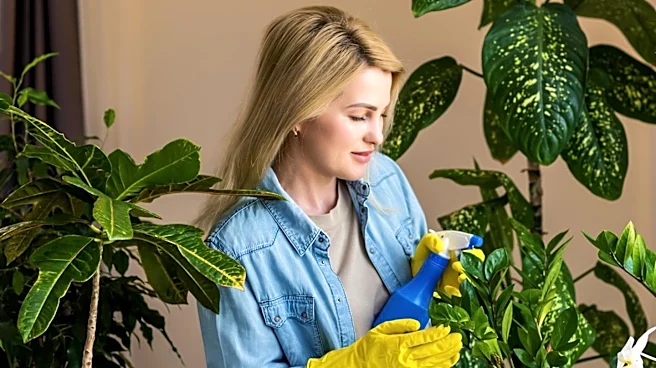
Successful indoor gardening requires careful planning, starting with creating a room map to identify suitable plant locations. This involves noting windows, radiators, doors, and potential plant spots, then observing available light at different times
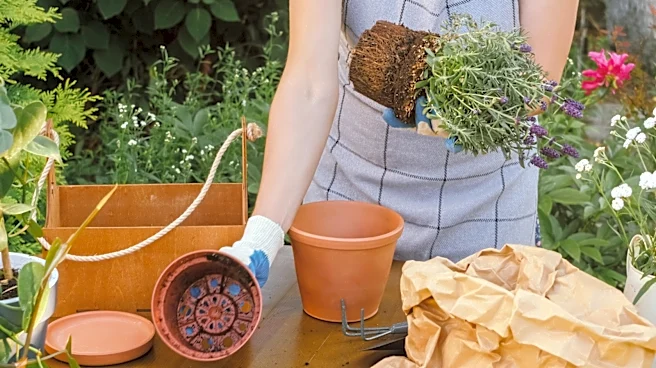
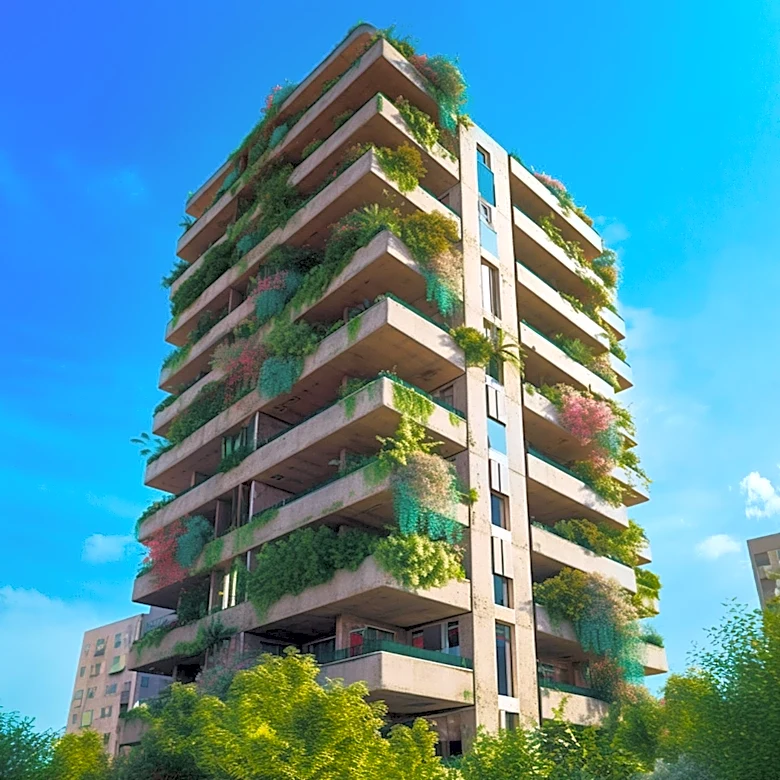
of day and through various seasons. A bright windowsill and a shelf further into the room should be considered distinct growing environments. It is recommended to begin with one plant per promising location, tracking its care needs and growth over several weeks to gather useful evidence before expanding a collection. Repotting should occur only when the plant and root system necessitate it, rather than automatically moving every new purchase into a larger container. Placing frequently inspected plants within easy reach simplifies maintenance. Additionally, utilizing vertical space with hanging plants or wall shelves can soften a room without obstructing movement, provided the support can handle the watered weight of the container and access for care is maintained.
Why It's Important?
These indoor gardening strategies are crucial for maximizing plant health and longevity within a home environment. By meticulously mapping out a room and observing light conditions, gardeners can prevent common issues like weak growth or plant damage due to unsuitable light exposure. This approach reduces wasted resources on plants that won't thrive in a given spot and promotes a more sustainable gardening practice. The emphasis on gradual expansion and observation allows individuals to learn from their experiences, leading to more successful and rewarding indoor plant collections. Furthermore, thoughtful spatial planning, including the use of vertical space, helps integrate plants seamlessly into living areas, enhancing aesthetics without compromising functionality or creating clutter. This systematic method benefits both novice and experienced gardeners by providing a structured framework for cultivating healthy indoor plants.
What's Next?
Individuals adopting these strategies should continue to monitor their plants' growth and adjust care routines as needed, especially with seasonal changes affecting light availability. As plants mature, re-evaluating their placement and pot size will be necessary to ensure continued health. Gardeners might also explore supplementary lighting if natural light proves insufficient in certain areas, ensuring the equipment is specifically designed for plant growth and used according to guidelines. The ongoing process involves learning from each plant's response to its environment, refining placement, and adapting care to foster a thriving indoor garden. This continuous observation and adjustment will lead to a deeper understanding of plant needs and more effective long-term indoor gardening practices.
Beyond the Headlines
The principles of careful observation and strategic planning in indoor gardening extend beyond horticulture, reflecting broader themes of sustainable living and mindful consumption. By encouraging gardeners to understand their environment and plant needs before making purchases, these strategies promote a less wasteful approach to hobbies. This contrasts with impulsive buying, which often leads to plant neglect or premature demise. The practice of creating a 'room map' and observing light patterns fosters a deeper connection with one's living space and the natural world, encouraging a more deliberate and thoughtful interaction with the home environment. This mindful approach can contribute to overall well-being by creating a more harmonious and aesthetically pleasing living space, while also instilling a sense of accomplishment through successful plant cultivation.