






What's Happening?
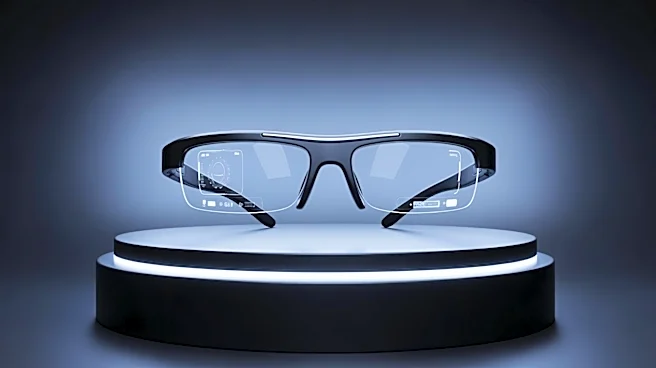
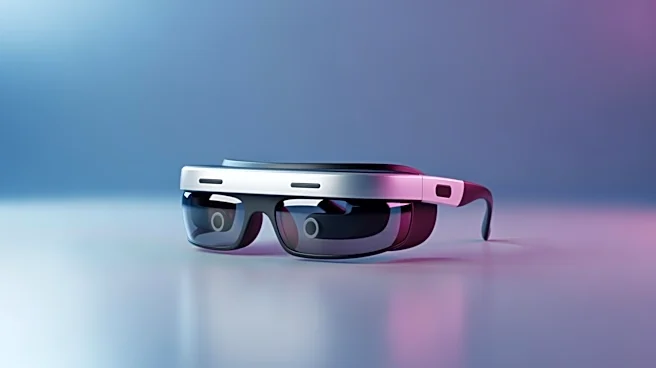
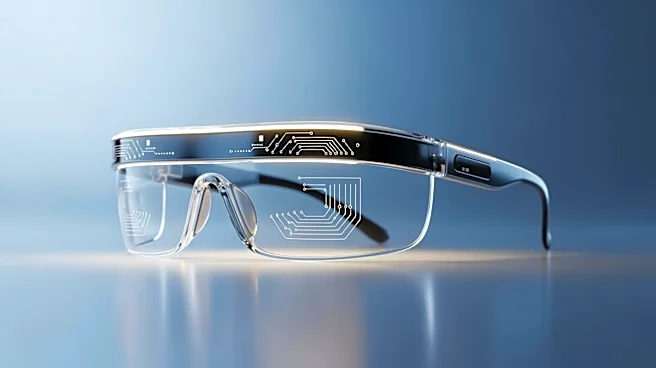
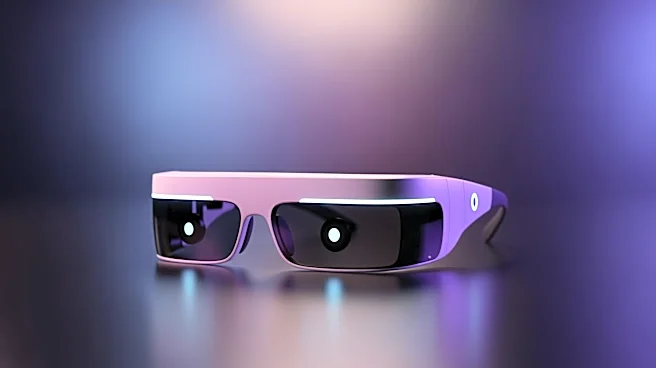
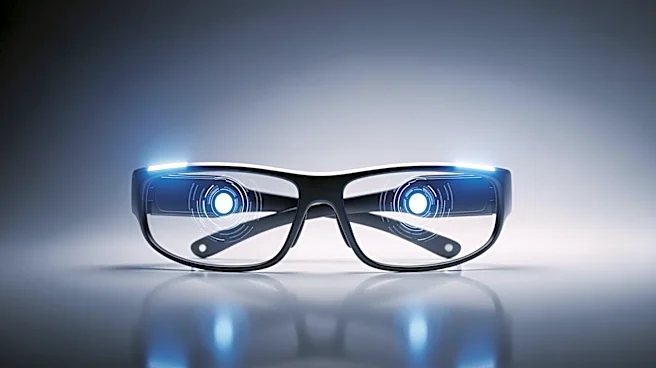
The augmented reality (AR) landscape is set to transform significantly in 2026 with the introduction of new products and applications. Snap has announced its new AR glasses, priced at $2,195, marking a premium entry into the consumer market. These glasses are
positioned as the 'next computer,' indicating a strategic move towards high-end technology adoption. Additionally, Pixi has launched an iOS AR messaging app that integrates spatial stickers and scenes into text messages, pushing AR into mainstream communication platforms. The Augmented World Expo (AWE) 2026 showcased various hardware and app developments, emphasizing incremental improvements in sensors, optics, and spatial user interfaces. These advancements suggest a shift from mere demonstrations to practical, consumer-ready products.
Why It's Important?
The developments in AR technology are crucial as they signal a shift from experimental to consumer-ready products, potentially reshaping how users interact with digital content. The high price point of Snap's AR glasses suggests a focus on premium markets, which could influence the adoption rate among early adopters and tech enthusiasts. The integration of AR into messaging apps like Pixi's could revolutionize communication by making it more interactive and engaging. This evolution in AR technology could impact various sectors, including entertainment, communication, and retail, by offering new ways to engage with content and consumers. The focus on premium pricing and high-quality experiences may also set a precedent for future AR products, influencing market dynamics and consumer expectations.
What's Next?
As AR technology continues to evolve, the market is likely to see a diversification of products catering to different consumer segments. Developers and creators will play a crucial role in determining which AR features gain traction, as their innovations will shape user experiences and platform adoption. The high cost of entry for products like Snap's AR glasses may initially limit their audience, but as technology advances and production costs decrease, more affordable options could emerge, broadening the market. The success of AR messaging apps could lead to further integration of AR in everyday applications, potentially driving demand for more sophisticated AR experiences.