





What's Happening?
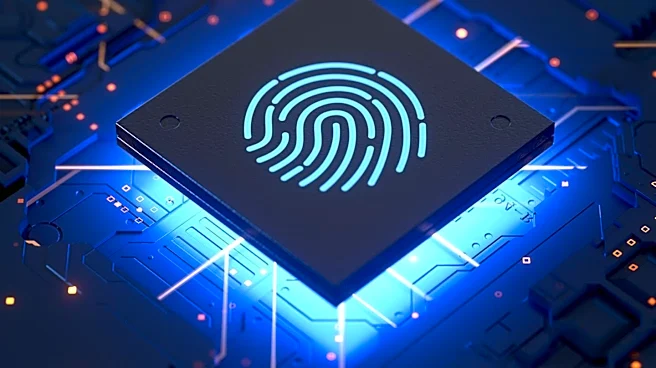
Ethereum co-founder Vitalik Buterin has called for enhanced verifiability in computer chips to address growing security threats in the hardware wallet sector. In a blog post published on November 26, 2026, Buterin argued that the current practice of only
publishing high-level code (like Verilog) for open-source chips is insufficient for true security verification. He asserts that detailed physical layout files (GDS files) and the ability to microscopically examine finished chips are also necessary. Buterin's concerns are not theoretical; he referenced real supply-chain attacks where malicious actors implanted eSIM-based devices into hardware wallets to extract recovery phrases. These implants bypass firmware checks, making them extremely difficult to detect externally. He highlighted incidents involving Ledger and Trezor devices, where such implants were discovered, leading to the compromise of user data and prompting both companies to take corrective actions.
Why It's Important?
This initiative is crucial for the cryptocurrency industry, as it directly impacts the security and trustworthiness of hardware wallets, which are designed to provide a secure offline environment for private keys. The concept of 'Not your silicon, not your keys' emphasizes that the integrity of the hardware itself is paramount for self-custody. If the underlying chips can be tampered with during manufacturing or distribution, the fundamental security promise of hardware wallets is compromised, potentially leading to significant financial losses for users. This situation undermines confidence in cold storage solutions and necessitates a more rigorous approach to hardware verification. The call for greater transparency in chip design and manufacturing processes is a critical step towards building a more secure and reliable ecosystem for digital assets.
What's Next?
Buterin anticipates a future where the hardware industry will diverge, with one segment focusing on performance and the other on security and verifiability. He suggests that security-focused hardware, while potentially less efficient (up to 10 times), would still be adequate for most everyday applications. The challenge lies in convincing chip vendors to release physical layout files, which are often considered proprietary intellectual property. However, Buterin believes that independent verification by professional auditors, journalists, and civil society groups could become a standard practice if hardware designs become more open. This could lead to a shift in how hardware wallets are designed, manufactured, and distributed, with a greater emphasis on supply-chain security and verifiable components to protect users from sophisticated hardware-level attacks.
Beyond the Headlines
Buterin's advocacy for verifiable chips extends beyond the immediate concerns of cryptocurrency security, touching upon broader issues of trust in technology and the integrity of global supply chains. The idea that even 'open-source' hardware can harbor hidden vulnerabilities highlights a critical gap in current security paradigms. This development could spur a wider movement towards greater transparency and auditability in hardware manufacturing across various sectors, not just crypto. It also raises important questions about the balance between corporate intellectual property rights and the imperative for verifiable security in an increasingly interconnected world. The long-term impact could be a fundamental re-evaluation of how hardware is designed, produced, and secured, leading to more robust and trustworthy technological foundations.