







What's Happening?
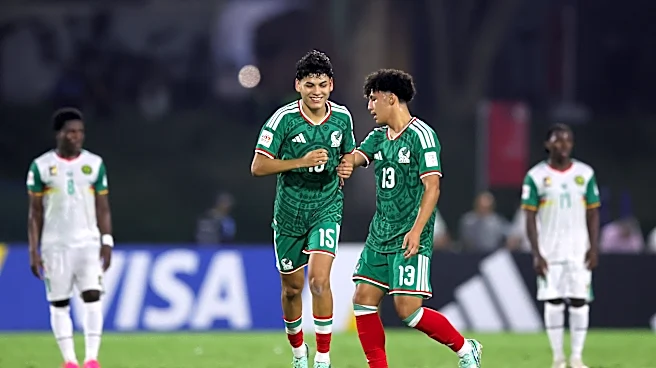
Football Australia, in collaboration with FIFA Medical and the DT38 Foundation, has initiated a testicular cancer awareness campaign at the FIFA U-17 World Cup Qatar 2026™. This joint effort aims to educate young footballers about the importance of early
detection for testicular cancer, which is the most common cancer among males aged 15 to 44. The DT38 Foundation was established in memory of former Australian youth international Dylan Tombides, who was diagnosed with testicular cancer while playing at the FIFA U-17 World Cup 2011™ and tragically passed away in 2014 at the age of 20. As part of the campaign, DT38 founders Tracy Tombides (Dylan's mother) and Taylor Tombides (Dylan's brother), along with FIFA Medical Director Dr. Andy Massey, are conducting 10-minute educational sessions for nearly 40 teams at the tournament. These sessions explain how to perform self-examinations and emphasize the critical role of early detection. Players receive take-home packs, and team doctors and managers reinforce the message within their delegations. Additionally, any player with concerns can access a free ultrasound at The View Hospital in Doha.
Why It's Important?
This initiative holds significant importance as it addresses a critical health issue within a highly visible and influential demographic: young athletes. Testicular cancer, while highly treatable when detected early, often affects young men who may not be aware of the risks or the importance of self-examination. By leveraging the global platform of the FIFA U-17 World Cup, the campaign can reach thousands of young footballers and, by extension, their communities worldwide. The personal story of Dylan Tombides provides a powerful and authentic message, making the health information more relatable and impactful. This proactive approach to health education can lead to earlier diagnoses, better treatment outcomes, and ultimately save lives. The involvement of FIFA and national football associations like Football Australia lends credibility and broadens the reach of this vital public health message, potentially fostering a culture of health awareness among young athletes globally.
What's Next?
The immediate next steps involve the continued delivery of educational sessions to all participating teams at the FIFA U-17 World Cup. The campaign aims to ensure that every young footballer at the tournament receives the crucial information about testicular cancer and self-examination. Beyond the tournament, the DT38 Foundation, in partnership with FIFA and Football Australia, will likely seek to expand the reach of this awareness program. This could involve integrating similar educational modules into youth football development programs, national sports academies, and other international sporting events. The positive feedback from players and the commitment from FIFA suggest a potential for long-term collaboration to embed testicular cancer awareness as a standard component of athlete health education. The annual Dylan Tombides Medal, awarded to an Australian men’s youth international, will continue to honor Dylan's legacy and serve as a reminder of the importance of courage and health awareness.
Beyond the Headlines
The campaign transcends typical sports news by highlighting the profound impact of personal tragedy on public health initiatives. Dylan Tombides' story transforms a medical statistic into a relatable human experience, making the message about testicular cancer more resonant. This initiative also underscores the growing role of sports organizations in promoting public health, moving beyond athletic performance to address the holistic well-being of athletes. It sets a precedent for how high-profile sporting events can be utilized as platforms for critical health education, potentially inspiring similar campaigns for other health issues affecting young populations. The emphasis on self-examination also empowers individuals with the knowledge and tools to take charge of their own health, fostering a sense of personal responsibility and proactive healthcare engagement from a young age. This collaborative model between a foundation, a global sports body, and national federations demonstrates an effective strategy for impactful health advocacy.