





What's Happening?
Saudi Aramco has increased its crude oil shipments from Egypt's Mediterranean port of Sidi Kerir due to rising security threats in the Red Sea. The threats stem from Houthi attacks on Saudi shipping routes, particularly through the Bab el-Mandeb strait.
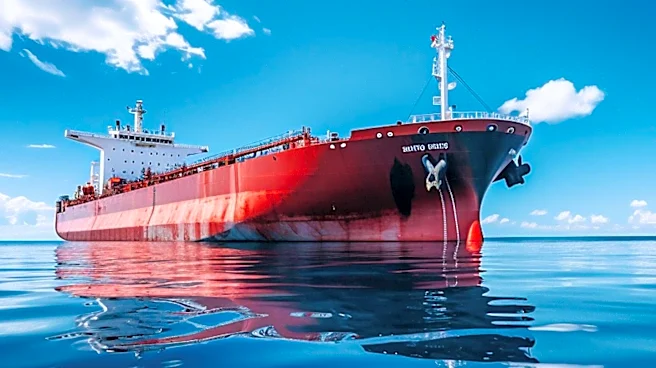
Aramco is offering additional crude cargoes on a spot basis to supplement supplies to its term buyers. This move comes as the Iran-aligned Houthis claimed responsibility for attacking two Saudi oil tankers in the Red Sea, with one vessel reportedly catching fire. The security situation has prompted several oil tankers to reroute towards the Suez Canal. Aramco's decision to increase shipments from the Mediterranean is seen as a strategic response to ensure continued supply to its markets in Europe and North America.
Why It's Important?
The increase in crude oil shipments from the Mediterranean by Aramco highlights the ongoing geopolitical tensions affecting global oil supply routes. The Red Sea is a critical passage for oil exports, and disruptions here can have significant implications for global oil markets. By shifting some of its export operations to the Mediterranean, Aramco aims to mitigate risks associated with the Red Sea route. This move could influence global oil prices and supply dynamics, particularly for countries reliant on Middle Eastern oil. The situation underscores the vulnerability of global energy supply chains to regional conflicts and the strategic measures companies must take to navigate these challenges.
What's Next?
The ongoing security threats in the Red Sea may lead to further strategic adjustments by oil companies operating in the region. Aramco and other oil exporters might continue to explore alternative routes and increase security measures to protect their shipments. The international community, including major oil-importing nations, may also engage in diplomatic efforts to stabilize the region and ensure the safety of critical shipping lanes. Additionally, the situation could prompt discussions on energy security and the diversification of energy sources to reduce dependency on volatile regions.