



What's Happening?
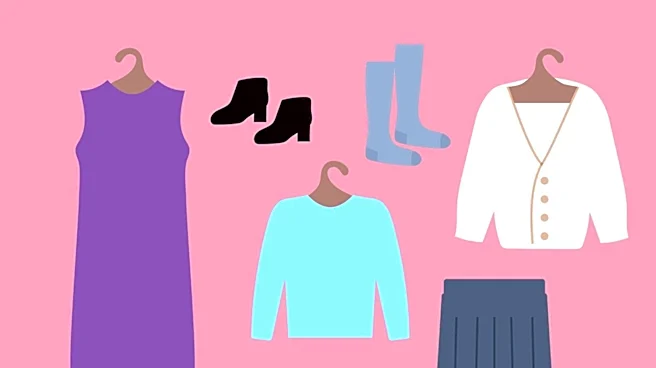
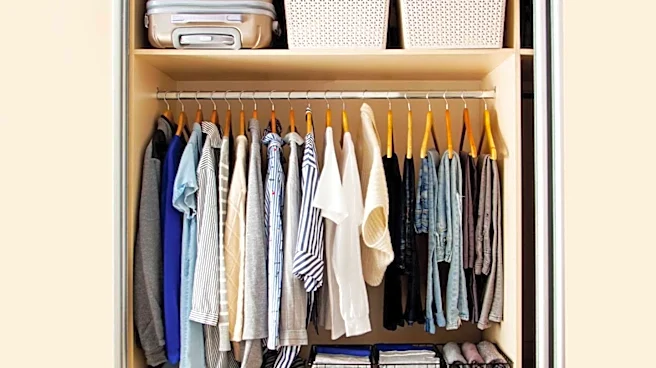
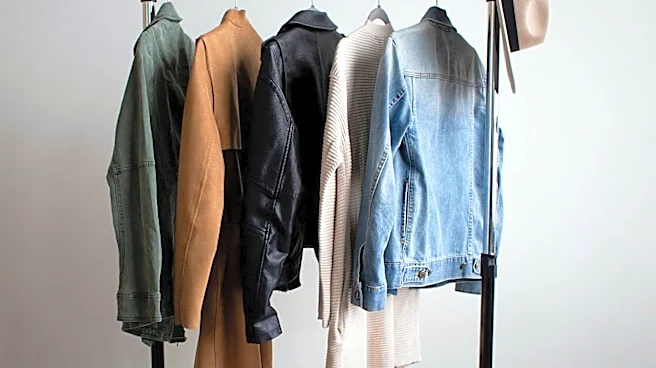
The concept of a capsule wardrobe is being redefined to prioritize sustainability and personal expression over minimalist trends. Instead of focusing on owning the fewest possible items, the emphasis is on curating a collection of versatile, high-quality
pieces that mix and match effectively. This approach encourages consumers to invest in durable items, choose a cohesive color palette, and build outfits that suit their actual lifestyle rather than an idealized one. The philosophy draws parallels with a library, where items are collected slowly, valued for their longevity, and integrated with new discoveries, rather than being constantly replaced. This method advocates for repairing clothes, wearing them until they are no longer functional, and making thoughtful decisions about what to keep and what to discard, moving away from the pressure of constant reinvention driven by fast fashion cycles.
Why It's Important?
This shift in perspective on capsule wardrobes is significant for promoting sustainable fashion practices and combating overconsumption. By encouraging consumers to buy less and care more for their clothing, it directly addresses environmental concerns associated with textile waste and resource depletion. The focus on personal style and intentional accumulation empowers individuals to develop a wardrobe that genuinely reflects their identity and needs, rather than conforming to fleeting trends. This can lead to greater satisfaction with one's clothing choices and a reduction in impulse purchases. For the fashion industry, it signals a growing consumer demand for transparency, durability, and ethical production, potentially influencing brands to adopt more sustainable business models and offer higher-quality, timeless pieces. It also highlights the economic benefit of longevity, as consumers save money by not constantly replacing items.
What's Next?
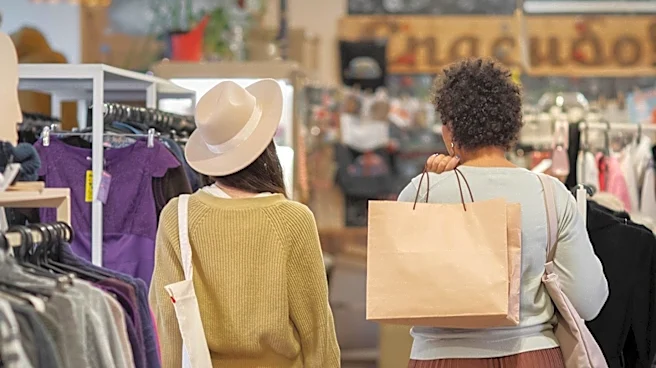
Consumers are encouraged to evaluate their existing wardrobes with a critical eye, identifying pieces that are frequently worn, those that have sentimental value, and those that no longer serve a purpose. The next step involves making conscious purchasing decisions, prioritizing quality fabrics like cotton, linen, and wool, and selecting items that integrate seamlessly with their current collection. Seasonal adjustments to the capsule wardrobe are recommended to keep it fresh and relevant to changing weather conditions, without necessitating a complete overhaul. The article also suggests exploring secondhand shopping as a way to build a unique and textured wardrobe that transcends current trends. This approach fosters a more mindful relationship with clothing, encouraging repair and maintenance to extend the life of garments.
Beyond the Headlines
The reinterpretation of the capsule wardrobe concept delves into deeper psychological and cultural implications of consumption. It challenges the pervasive narrative of constant newness and reinvention often pushed by marketing, advocating instead for a more stable and self-referential approach to personal style. By likening a wardrobe to a library, the concept suggests that clothing can hold historical and personal significance, becoming an archive of one's life rather than just disposable items. This perspective can foster a greater appreciation for craftsmanship and the stories behind garments, moving beyond superficial aesthetics. It also touches upon the ethical dimension of fashion, encouraging consumers to consider the environmental and social impact of their choices, thereby contributing to a more responsible and sustainable consumer culture.