


What's Happening?
Retinol, a vitamin A derivative, is widely recognized for its anti-aging properties, including reducing fine lines and uneven skin tone. However, improper use can lead to skin irritation, peeling, and redness. Dermatologists recommend starting with a low
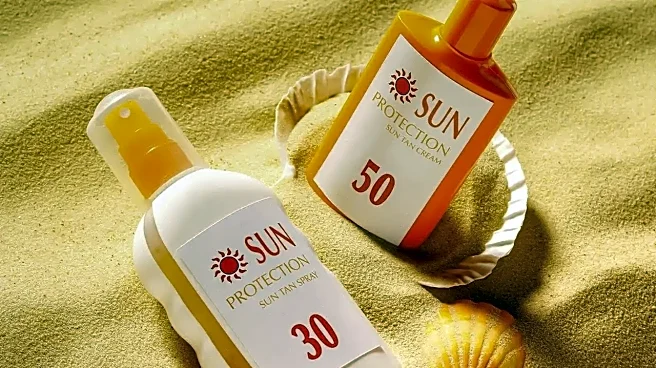
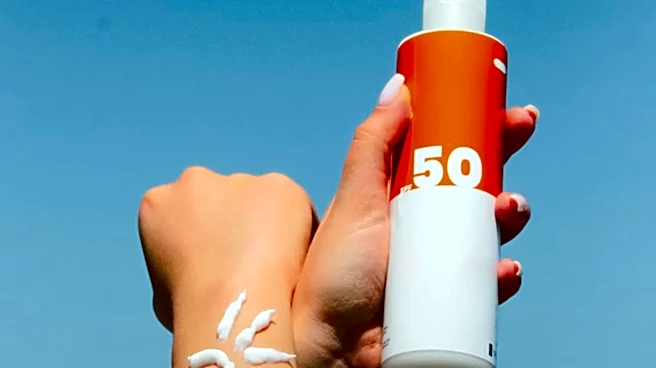
concentration and gradually increasing usage to allow the skin to adapt. Retinol should be applied to clean, dry skin at night, followed by a moisturizer to maintain the skin's barrier. Daily sunscreen use is crucial due to increased photosensitivity. Retinol is contraindicated during pregnancy due to potential risks to fetal development.
Why It's Important?
Retinol is one of the most evidence-backed ingredients for anti-aging, but its benefits can be overshadowed by improper use leading to skin damage. Understanding the correct application process is essential for maximizing benefits while minimizing adverse effects. This knowledge is particularly important for individuals with sensitive skin or conditions like rosacea, who may experience heightened irritation. The guidance provided by dermatologists helps users achieve desired results without compromising skin health.