




What's Happening?
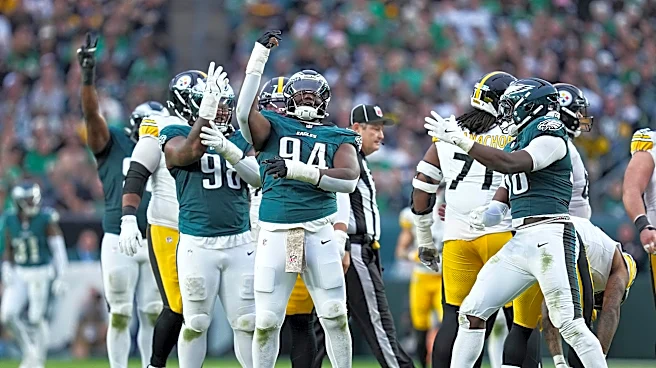
Jack Powell, a 12-year-old Philadelphia Eagles superfan with autism, has developed unique relationships with NFL players, particularly defensive tackle Jordan Davis and linebacker Zach Baun. Powell regularly waits outside the Eagles' practice facility,
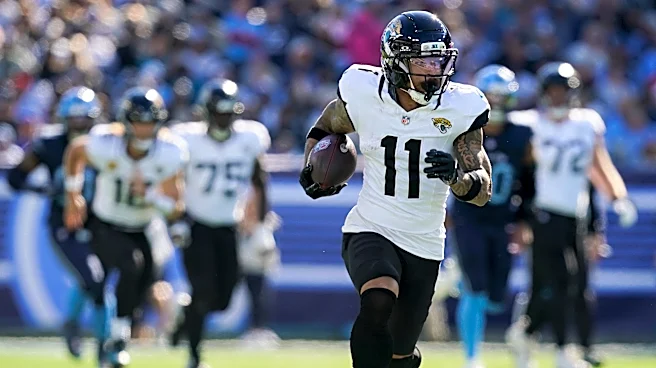
bringing Pokémon cards for the players. This tradition grew into a significant bond, with players offering him advice and boosting his spirits. The situation gained widespread attention when Davis was traded to the Jacksonville Jaguars. Powell, visibly upset, recorded a tearful video thanking Davis, which went viral. Following the trade, Powell received a custom half-Eagles, half-Jaguars jersey from Fanatics and had the opportunity to meet Davis at a Jaguars game, where Davis finally opened some of the Pokémon card packs and signed a miniature Eagles helmet for him.
Why It's Important?
This story highlights the profound impact professional athletes can have beyond their on-field performance, particularly on young fans. For Jack Powell, these relationships have provided crucial emotional support during a difficult year, demonstrating the positive influence of role models. It underscores the human connection that can form between athletes and their supporters, transcending the typical fan-player dynamic. The viral nature of Powell's video also showcases the power of social media in amplifying personal stories and fostering community engagement around sports. For the NFL and its teams, such interactions can enhance their public image and reinforce their connection with the fan base, illustrating the broader social responsibility and community role that sports organizations often embrace. It also brings attention to the experiences of young fans with autism and their unique ways of connecting with their passions.
What's Next?
Jack Powell is expected to continue his tradition of supporting the Eagles and maintaining his connections with players, even as some move to other teams. The positive attention generated by his story may encourage other athletes and sports organizations to engage more deeply with their fan communities, particularly those with special needs. There might be increased awareness campaigns or initiatives from sports leagues to foster similar meaningful interactions. Powell's experience could also inspire other fans to seek out personal connections with their heroes, potentially leading to more stories of unique fan-athlete bonds. The ongoing narrative will likely focus on how these relationships evolve and the continued impact they have on Powell's life and the players involved.
Beyond the Headlines
This narrative delves into the psychological and social benefits of parasocial relationships, where individuals form emotional bonds with public figures. For Jack, these relationships have provided a sense of belonging and emotional stability, acting as a significant support system. It also subtly critiques the transactional nature of professional sports by highlighting genuine human connection amidst player trades and team changes. The story touches on themes of empathy and compassion, as players like Jordan Davis take time to engage with a young fan, demonstrating personal values beyond their professional obligations. Furthermore, it sheds light on the unique ways individuals with autism connect with their interests and the importance of fostering environments where such connections can thrive, offering a powerful example of how sports can be a vehicle for personal growth and emotional well-being.