





What's Happening?
Hawaiian Airlines is embarking on a significant fleet modernization initiative, focusing on refurbishing its aging Airbus A330s and replacing older interisland aircraft with nearly 20-year-old Boeing 737s. This comes as the airline's future is intertwined
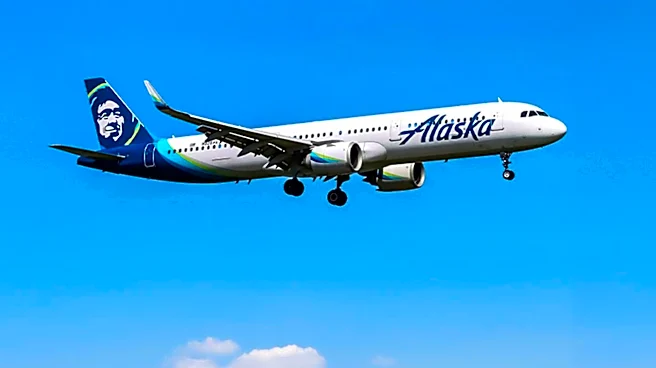
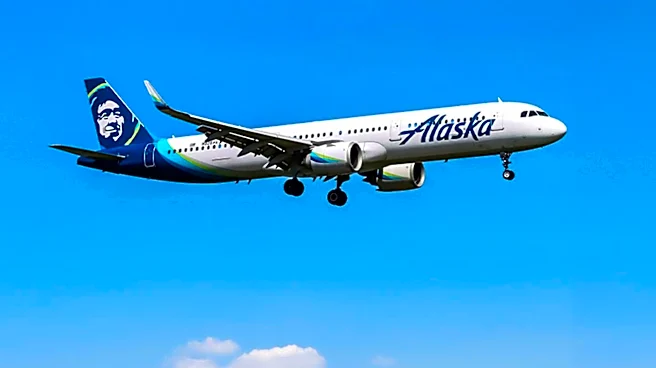
with its acquisition by Alaska Airlines. While plans are firm for the A330s and the introduction of 737s, the fate of Hawaiian's 18 Airbus A321neos remains undecided. These A321neos, averaging just seven years old by the end of 2025, are crucial for nonstop routes between Hawaii and the mainland, offering fuel efficiency and a capacity of 189 passengers. The airline had previously invested in these aircraft, with features like Hawaii-inspired interiors and convenient device holders, which were well-received by passengers. The broader strategy for Hawaiian's fleet is being shaped by Alaska Air Group, which has already begun operating Dreamliners on routes between Seattle and Honolulu, expanding their international network role.
Why It's Important?
This fleet overhaul is significant for Hawaiian Airlines as it aims to enhance passenger experience and operational efficiency. The refurbishment of A330s and the introduction of newer (though still older) 737s for interisland travel could improve comfort and reliability for passengers. The uncertainty surrounding the A321neos, however, poses a strategic challenge. These aircraft are a relatively young and fuel-efficient part of Hawaiian's fleet, vital for its mainland connections. A decision to retain, reconfigure, or divest these planes will impact Hawaiian's route network, operational costs, and competitive positioning, especially in the context of its integration with Alaska Airlines. The move also reflects a broader trend in the airline industry towards fleet optimization and modernization to meet evolving passenger demands and environmental regulations, while balancing the financial implications of such investments.
What's Next?
The immediate next steps for Hawaiian Airlines involve the head-to-tail remakes of its Airbus A330s and the integration of Boeing 737s into its interisland operations. The critical decision regarding the future of the 18 Airbus A321neos is still pending, and an announcement from Alaska Air Group is anticipated. This decision will likely influence Hawaiian's long-term route planning and capacity on key mainland-Hawaii routes. Stakeholders, including passengers, employees, and investors, will be closely watching for clarity on the A321neo fleet, as it will signal the strategic direction of the combined entity in the competitive Hawaii travel market. Further, the ongoing integration with Alaska Airlines will likely lead to more consolidated operational strategies and potential network adjustments.
Beyond the Headlines
The fleet decisions by Hawaiian Airlines, under the umbrella of Alaska Air Group, highlight the complex interplay between operational efficiency, passenger experience, and strategic integration in the airline industry. The choice to refurbish older aircraft while leaving newer ones in limbo suggests a careful balancing act between immediate cost management and long-term fleet strategy. This situation could also reflect differing fleet philosophies between Hawaiian and Alaska Airlines, which will need to be harmonized post-acquisition. The emphasis on cabin comfort and fuel efficiency, even with older aircraft, underscores the competitive pressures in the travel market. Furthermore, the eventual decision on the A321neos could set a precedent for how acquired airlines' assets are managed and integrated, potentially influencing future airline mergers and acquisitions in the U.S. market.