



What's Happening?
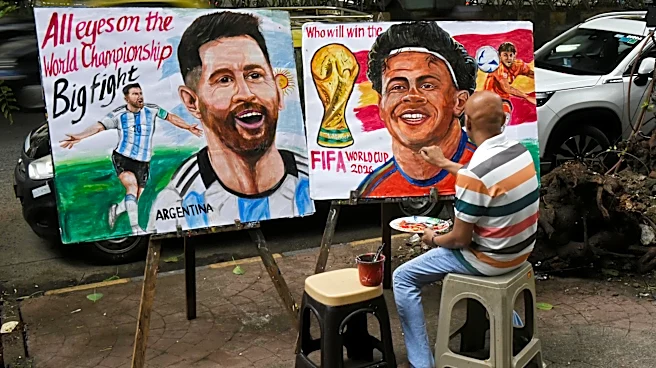
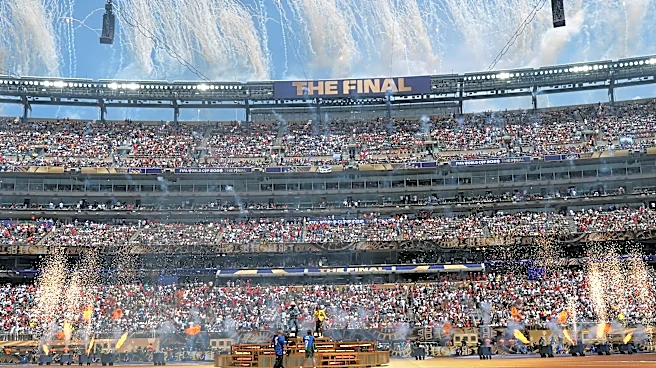
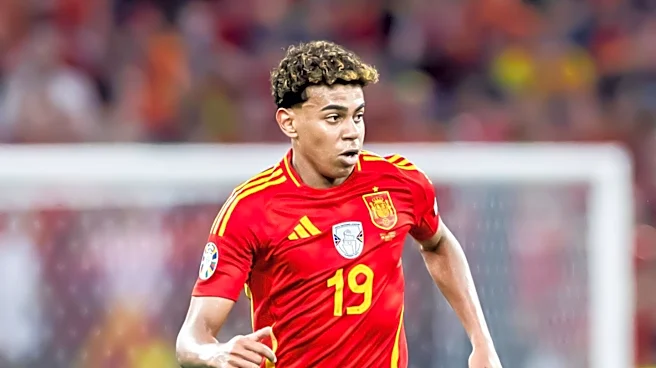
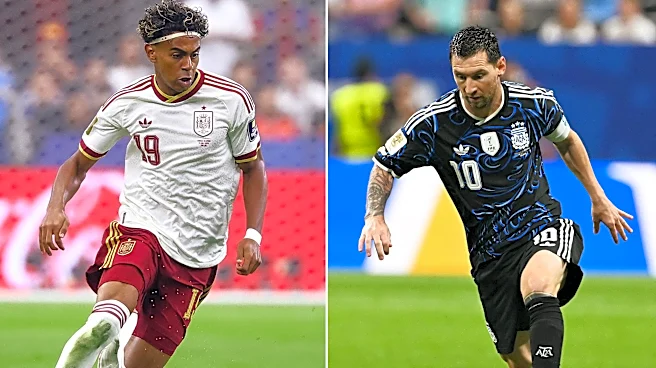
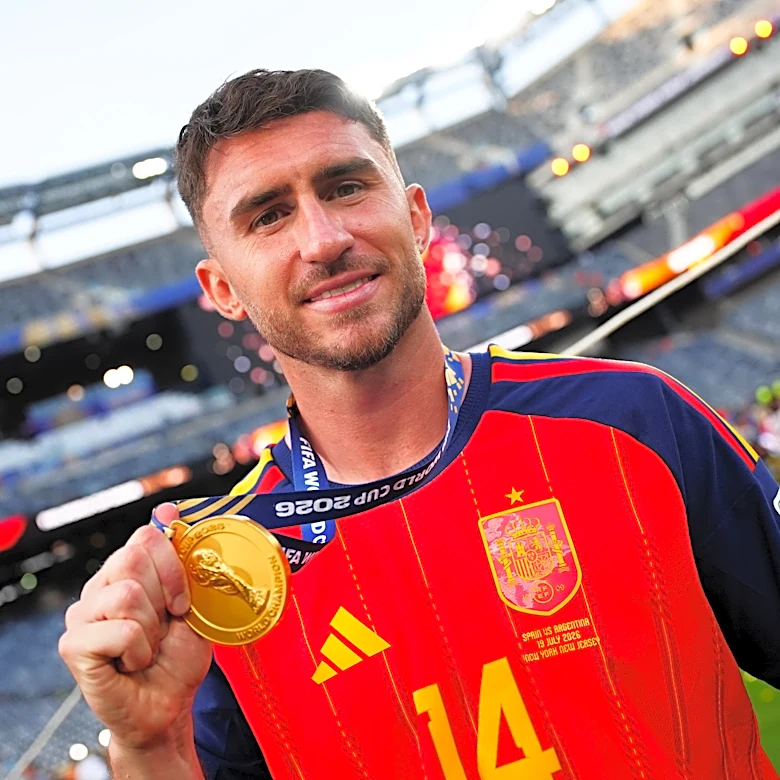
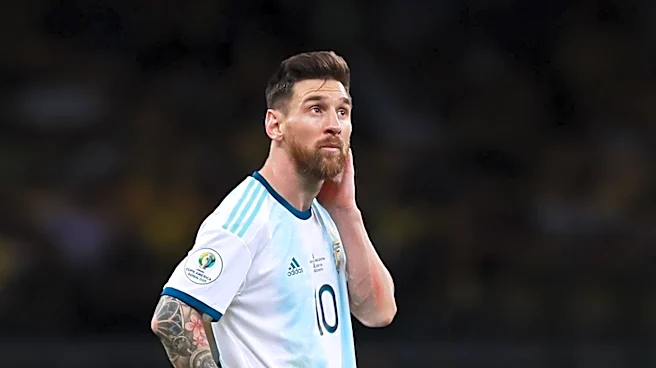
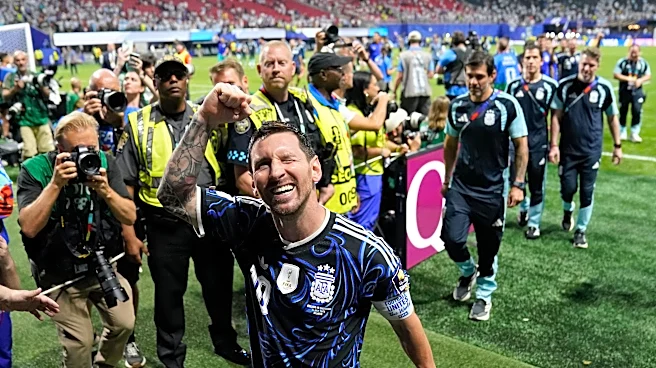
The 2026 World Cup concluded with Spain claiming their second World Cup title after defeating Argentina 1-0 in the final at MetLife Stadium. The tournament was marked by numerous memorable moments, including Lionel Messi's hat trick against Algeria and
Malik Tillman's rare free-kick goals for the USMNT. Scotland's Tartan Army made a notable impact in Boston, while Japan's fans continued their tradition of cleaning up after matches. The tournament also saw underdog stories with DR Congo and Cape Verde making significant progress. Erling Haaland and Lamine Yamal scored their first World Cup goals, and the Norwegian Viking row chant became a fan favorite. The event was filled with both on-field brilliance and off-field cultural exchanges, leaving a lasting impression on fans worldwide.
Why It's Important?
The 2026 World Cup showcased the global appeal and cultural significance of soccer, highlighting the sport's ability to bring together diverse fan bases and create shared experiences. Spain's victory reinforced their status as a soccer powerhouse, while the performances of players like Messi and Tillman captivated audiences. The tournament also emphasized the growing competitiveness of teams from regions like Africa and North America, with DR Congo and Cape Verde making notable strides. These developments could influence future investments in soccer infrastructure and youth development programs in these regions. Additionally, the cultural exchanges, such as Japan's fan behavior and Norway's Viking chant, underscored the World Cup's role in promoting international camaraderie and cultural appreciation.
What's Next?
Following the 2026 World Cup, national teams will likely focus on preparing for upcoming international competitions, such as regional tournaments and the next World Cup cycle. Countries like the United States, which saw standout performances from players like Malik Tillman, may invest more in developing young talent to build on their World Cup experiences. The success of underdog teams could inspire increased support and funding for soccer programs in less traditional soccer nations. Additionally, the cultural phenomena observed during the tournament, such as fan traditions and behaviors, may influence how future events are organized to enhance fan engagement and cultural exchange.
Beyond the Headlines
The 2026 World Cup highlighted the evolving dynamics of global soccer, with emerging teams challenging traditional powerhouses and new stars rising to prominence. The tournament's cultural impact extended beyond the matches, as fan interactions and traditions contributed to a richer, more inclusive global soccer culture. The event also raised questions about the sustainability and environmental impact of large-scale sporting events, prompting discussions on how future tournaments can be organized more responsibly. As soccer continues to grow in popularity worldwide, the lessons learned from the 2026 World Cup could shape the future of the sport, both on and off the field.