




What's Happening?
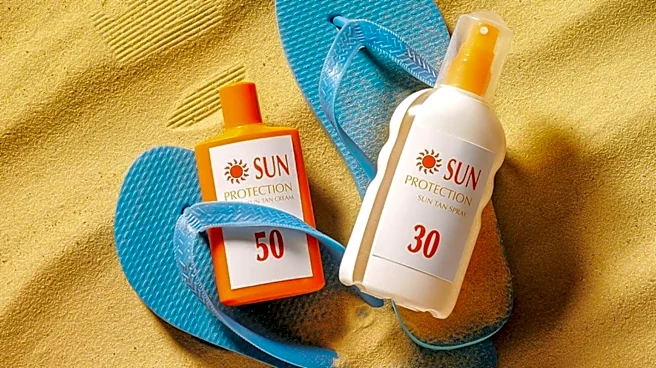
The skincare industry is increasingly focusing on products and treatments that offer protection against blue light and effectively manage acne. Reflect SPF 42 Tinted Mineral Sunscreen Lotion is highlighted for its blue light protection, zinc oxide, and vitamin
E content, being oxybenzone-free and water-resistant. This product is praised by customers for its quality, sun protection, and natural-looking tint that adapts to skin tones. Concurrently, LED facial treatments, specifically using blue light at 415 nm, are gaining traction for their clinical efficacy in destroying acne-causing bacteria. These treatments are non-invasive and can lead to clearer skin within 2–4 weeks, particularly benefiting individuals with oily, acne-prone skin. Yunasence also offers products like Sun Si'belle Daily Moisturizing Sunscreen SPF30, which provides UVA/UVB/blue light protection and helps even out skin tone, and Proface-C Radiant Glow Serum with Vitamin C, designed to protect against UV-induced oxidative damage and environmental stressors.
Why It's Important?
The growing emphasis on blue light protection and advanced acne treatments reflects a significant shift in consumer awareness and industry innovation within the U.S. skincare market. With increased screen time and exposure to various light sources, consumers are seeking products that offer comprehensive protection beyond traditional UV filters. This trend is driving demand for multi-functional skincare solutions that address both environmental stressors and common skin concerns like acne. The development of products like Reflect SPF 42 and Yunasence's offerings, which combine sun protection with blue light defense and skin tone evening, caters to this evolving need. Furthermore, the clinical validation of LED blue light therapy for acne treatment provides a non-pharmacological option for consumers, potentially reducing reliance on antibiotics or harsh topical treatments. This not only offers new avenues for skin health but also expands the market for at-home and professional aesthetic devices, impacting manufacturers, dermatologists, and beauty retailers.
What's Next?
The trajectory for blue light protection and advanced acne solutions in the U.S. skincare market points towards continued innovation and integration into daily routines. Consumers can expect to see more products incorporating broad-spectrum protection against various light wavelengths, including blue light, alongside traditional UV filters. Research and development will likely focus on enhancing the efficacy and cosmetic elegance of these formulations, making them more appealing for daily use. The adoption of LED light therapy, both in professional settings and through at-home devices, is also anticipated to grow as awareness of its benefits for acne and overall skin health increases. Skincare brands may further explore synergistic ingredients, such as antioxidants like Vitamin C, to complement light protection and treatment strategies. Regulatory bodies might also begin to establish standards or guidelines for blue light protection claims, ensuring product transparency and consumer trust in this emerging category.
Beyond the Headlines
The rise of blue light protection in skincare extends beyond immediate cosmetic benefits, touching upon broader public health and lifestyle implications. As digital device usage becomes ubiquitous, concerns about the long-term effects of blue light exposure on skin health, including potential oxidative stress and pigmentation issues, are gaining prominence. This trend highlights a societal shift towards proactive protection against modern environmental aggressors. The integration of blue light protection into sunscreens and serums signifies a more holistic approach to skin health, acknowledging the multifaceted challenges posed by contemporary living. Ethically, this development prompts discussions about the responsibility of tech companies to consider the dermatological impact of their products and the role of the beauty industry in educating consumers about comprehensive skin protection. Culturally, it reinforces the idea of skincare as a preventative health measure, moving beyond mere aesthetics to encompass overall well-being in a digitally-driven world.