






What's Happening?
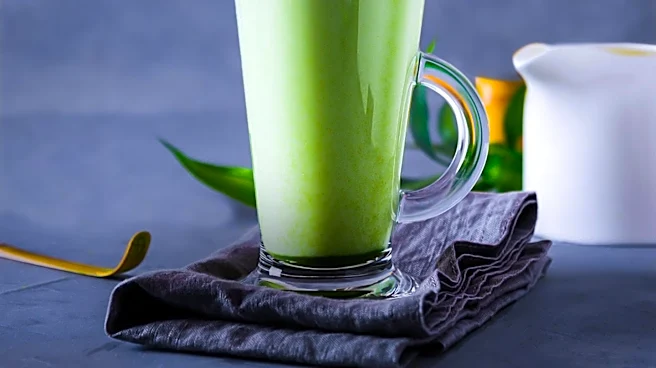
The functional beverage market in the U.S. is experiencing significant growth, with matcha emerging as a key ingredient. Brands are increasingly combining matcha with other functional components like collagen, adaptogens (such as ashwagandha and reishi),
MCT oil, and probiotics. These multi-functional blends aim to address various consumer wellness goals, including stress support, sustained energy, and gut health, all within a single serving. Matcha provides a recognizable green color and a pleasant taste, making it an appealing base for these formulations. The demand for matcha in the functional beverage sector is accelerating, reshaping how matcha suppliers approach their wholesale business. This trend is driven by consumers seeking specific health benefits beyond basic hydration, with matcha offering perceptible advantages like calm alertness from its caffeine and L-theanine content.
Why It's Important?
This trend signifies a structural shift in consumer preferences within the U.S. beverage industry, moving away from artificial ingredients and synthetic caffeine towards plant-based, clean-label products. For U.S. businesses, particularly those in the food and beverage sector, this presents a substantial market opportunity. Brands that can effectively integrate matcha and other functional ingredients into appealing and effective beverages stand to gain significant market share. The functional beverage market is projected to exceed $250 billion globally by 2028, with matcha-based products being one of the fastest-growing subcategories, showing an estimated annual growth of 15-18% for ready-to-drink matcha beverages alone. This growth is fueled by increasing consumer awareness of matcha's health benefits and a desire for products that deliver tangible wellness outcomes, impacting supply chains for ingredients like matcha and adaptogens.
What's Next?
The functional beverage market is expected to continue its rapid expansion, with more brands likely to enter the matcha-infused segment. Manufacturers will focus on addressing formulation challenges such as maintaining color stability, ensuring flavor consistency across batches, and improving solubility and suspension for ready-to-drink products. Strategic sourcing of matcha, including considerations for grade selection, volume, supply reliability, and organic certification, will become crucial for brands aiming to scale. Consumers can anticipate a wider variety of matcha-based functional beverages, including sparkling options, energy drinks, and wellness shots, as companies innovate to meet evolving health and wellness demands. The emphasis on scientific credibility and transparent marketing of health benefits will also intensify.
Beyond the Headlines
The rise of adaptogenic and matcha-infused beverages reflects a broader cultural shift towards holistic wellness and preventative health in the U.S. Consumers are increasingly proactive about their health, seeking out products that offer specific, natural benefits. This trend extends beyond physical health to mental well-being, with adaptogens like ashwagandha and reishi gaining traction for their stress-reducing properties. The demand for 'clean energy' alternatives to traditional caffeinated drinks highlights a desire for sustained focus without the jitters or crashes. This movement could lead to a re-evaluation of traditional beverage categories and further integration of functional ingredients into everyday food and drink items, potentially influencing dietary habits and the perception of food as medicine.