







What's Happening?
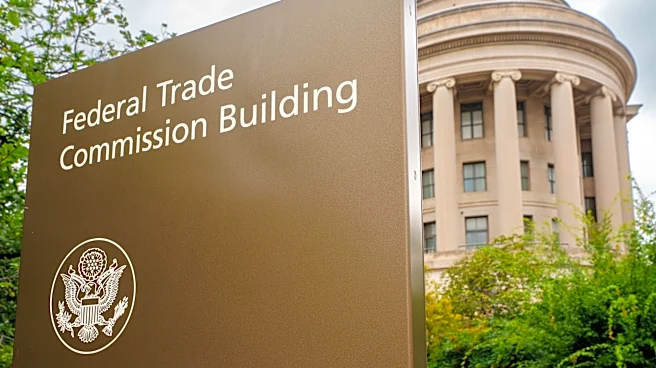
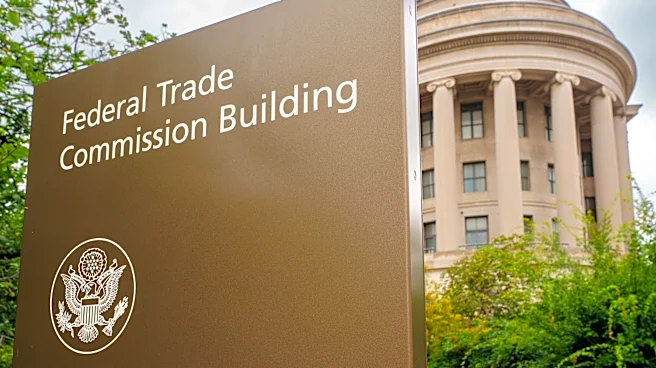
The Federal Trade Commission (FTC) has issued a warning to the automobile industry, reminding dealers that advertised vehicle prices must accurately reflect the actual price consumers pay. Through Frequently Asked Questions (FAQs), the FTC's Bureau of
Consumer Protection emphasized that only government-mandated charges can be excluded from the advertised price. Christopher Mufarrige, Director of the FTC’s Bureau of Consumer Protection, stated that the goal is to ensure advertised prices reflect reality, allowing consumers to comparison-shop confidently and honest dealers to compete fairly. The FTC highlighted that misleading pricing harms consumers by preventing informed decisions and disadvantages legitimate dealers. This guidance follows earlier letters sent to 97 auto groups nationwide, urging them to review advertising practices and warning against charging more than the advertised price.
Why It's Important?
This FTC warning is crucial for U.S. consumers and the automotive retail industry. For consumers, it aims to eliminate deceptive advertising practices that lead to unexpected costs and frustration during vehicle purchases, promoting greater transparency and enabling more informed buying decisions. For auto dealers, it reinforces the necessity of clear and truthful pricing, leveling the playing field for businesses that adhere to ethical advertising standards. Dealers who engage in misleading practices face potential legal action from the FTC, which has a history of filing lawsuits against those who advertise one price but charge another. This initiative seeks to restore trust in the car-buying process and ensure that the advertised price is the 'all-in' price, excluding only government-required fees, thereby fostering a more competitive and fair marketplace.
What's Next?
Auto dealers across the U.S. are expected to review and adjust their advertising practices to comply with the FTC's guidance on price transparency. The FTC encourages the public to report potential violations, indicating that consumer complaints will play a critical role in the agency's enforcement efforts. Dealers who fail to adhere to these guidelines risk investigations and potential lawsuits from the FTC. This ongoing scrutiny suggests that the automotive industry will likely see a push towards more straightforward pricing models, potentially leading to a reduction in hidden fees and unexpected charges for consumers. The FTC's continued focus on this issue underscores its commitment to consumer protection and fair competition within the vehicle sales market.
Beyond the Headlines
The FTC's emphasis on price transparency in the auto industry touches upon broader ethical and economic implications. The practice of advertising a low price only to add numerous fees later erodes consumer trust and creates an inefficient market where true comparison shopping is difficult. This 'bait and switch' tactic not only harms individual buyers but also undermines the reputation of the entire industry. By enforcing truthful advertising, the FTC is not just protecting consumers from financial harm but also promoting a more ethical business environment. This move could encourage a shift in industry culture, where transparency becomes a competitive advantage rather than a regulatory burden. It also highlights the ongoing challenge of regulating complex transactions in a way that balances business flexibility with consumer protection, setting a precedent for how other industries might be compelled to adopt more transparent pricing strategies.