






What's Happening?
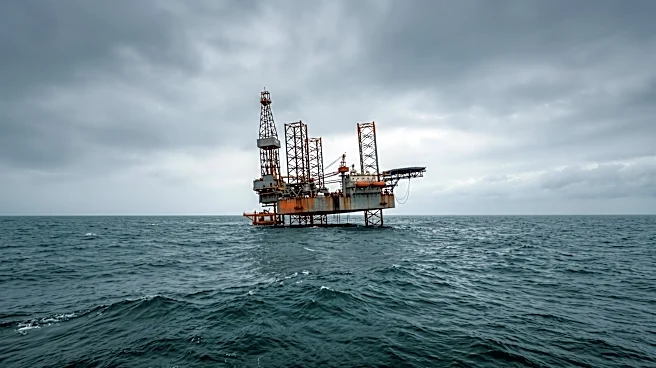
Borr Drilling's Prospector 5 offshore rig sank off the coast of Mayumba, Gabon, on the evening of October 24. The incident occurred during jacking operations, which were being conducted in preparation for a planned drilling campaign at the Dussafu Marin
permit. The rig experienced a 'punch through event,' leading to a loss of stability and its subsequent sinking. Out of 115 personnel on board, one fatality has been confirmed, and four individuals remain unaccounted for. Borr Drilling has activated its onshore emergency response team and is collaborating with local authorities and its customer, BW Energy, in ongoing search and rescue efforts. Gabon’s Ministry of Petroleum and Gas has established a crisis unit, including representatives from the ministry, the navy, Gabon Oil, BW Energy, and Borr Drilling, to coordinate the response. Petroleum and Gas Minister Clotaire Kondja has initiated a technical investigation into the incident and directed the navy to intensify search and rescue operations at sea.
Why It's Important?
This incident highlights the inherent risks associated with offshore drilling operations and their potential impact on human life and the environment. The loss of the Prospector 5 rig, along with the confirmed fatality and missing personnel, underscores the critical importance of stringent safety protocols and emergency response capabilities in the energy sector. For Borr Drilling and BW Energy, which holds a 73.5% working interest in the Dussafu Marin licence, the incident will likely lead to significant financial losses, operational disruptions, and potential reputational damage. The involvement of Gabon's Ministry of Petroleum and Gas and the initiation of a technical investigation signal a serious governmental response, which could result in stricter regulations or increased oversight for offshore activities in the region. Furthermore, the deployment of pollution-response resources indicates a proactive approach to mitigate potential environmental damage, particularly given the proximity to Mayumba National Park, emphasizing the delicate balance between energy extraction and ecological preservation.
What's Next?
The immediate focus remains on the ongoing search and rescue efforts for the four missing individuals. The crisis unit established by Gabon’s Ministry of Petroleum and Gas will continue to coordinate these operations and the broader response. A technical investigation into the 'punch through event' and the subsequent sinking of the rig has been launched, which will aim to determine the exact cause of the accident and identify any contributing factors. The findings of this investigation could lead to revised safety procedures, operational guidelines, or regulatory changes within the offshore drilling industry, both in Gabon and potentially internationally. Precautionary pollution-response resources are in place to monitor and address any potential discharge of harmful substances, although no such discharge has been reported yet. Production in the area has been halted, and it is unclear when operations will resume, pending the outcome of the investigation and safety assessments.
Beyond the Headlines
The sinking of the Prospector 5 rig extends beyond the immediate tragedy of lost lives and operational setbacks, touching upon broader ethical and environmental considerations. The incident raises questions about the adequacy of current safety standards in deep-sea drilling and the preparedness of companies and governments to handle such catastrophic events. The proximity of the incident to Mayumba National Park, a significant ecological area, underscores the constant tension between industrial development and environmental protection. While no harmful substances have been reported discharged, the potential for environmental damage from such incidents remains a persistent concern, prompting discussions on the long-term ecological impact of offshore energy exploration. This event could also influence public perception and investor confidence in the offshore drilling sector, potentially leading to increased scrutiny from environmental groups and calls for greater corporate accountability and transparency in safety and environmental practices.