







What's Happening?
As people age, maintaining balance becomes increasingly challenging, leading to a higher risk of falls and related injuries. Experts, including Annalise Calo, a physical therapist at WAVE Physical Therapy & Pilates in Ohio, emphasize the importance of balance training
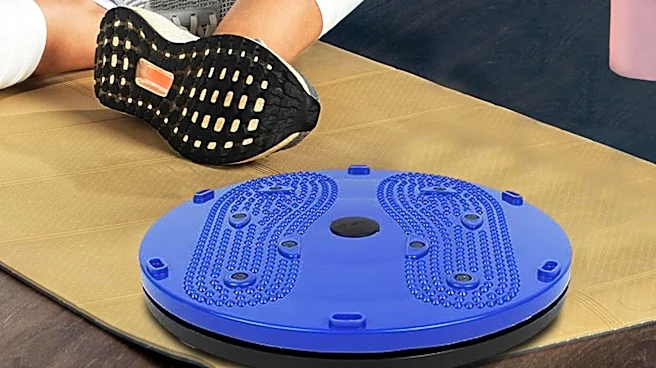
to mitigate these risks. A popular tool gaining attention is the balancing disc, which can be used to improve core strength and stability. These discs are designed with a dual-textured surface to prevent slipping and can be inflated to different firmness levels to adjust the difficulty of exercises. Users have reported significant improvements in their balance and confidence in daily activities after incorporating these discs into their routines.
Why It's Important?
The decline in balance with age can lead to serious health consequences, including increased mortality from falls. By using tools like balancing discs, older adults can actively work to improve their balance and reduce the risk of falls. This not only enhances their quality of life but also decreases the potential burden on healthcare systems due to fall-related injuries. The affordability and accessibility of balancing discs make them a practical solution for many, encouraging proactive health management among the aging population.
What's Next?
As awareness of the benefits of balance training grows, it is likely that more individuals and healthcare providers will incorporate balancing discs into regular exercise routines for older adults. This could lead to further studies and innovations in balance training tools, potentially expanding the market and improving the effectiveness of such devices. Additionally, physical therapists and fitness professionals may increasingly recommend these tools as part of comprehensive wellness programs for seniors.
Beyond the Headlines
The use of balancing discs also highlights a broader trend towards preventive health measures and the empowerment of individuals to take control of their health. This shift could lead to a cultural change in how aging and health are perceived, with a greater focus on maintaining independence and functionality through simple, everyday practices.