




What's Happening?
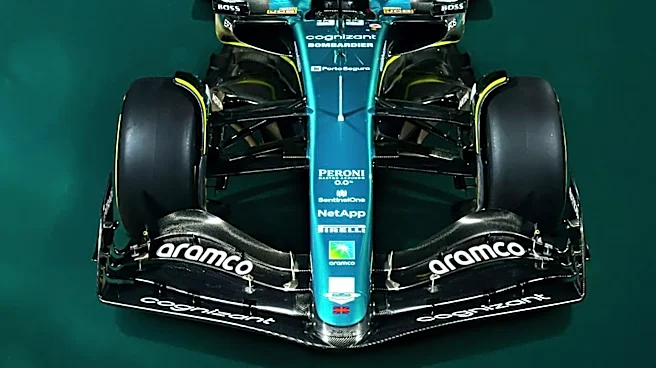
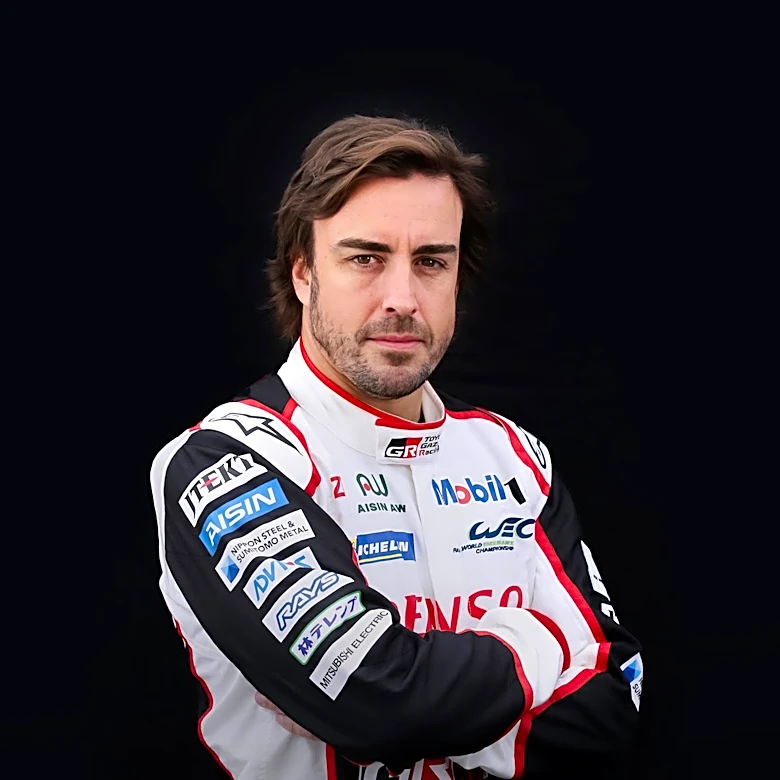
Fernando Alonso's aspirations for more Formula 1 race wins and titles with Aston Martin have been tempered by a reality check from Chief Honda engineer Shintaro Orihara. Despite the team's initial optimism for the 2026 season, which included Alonso, Honda as a power
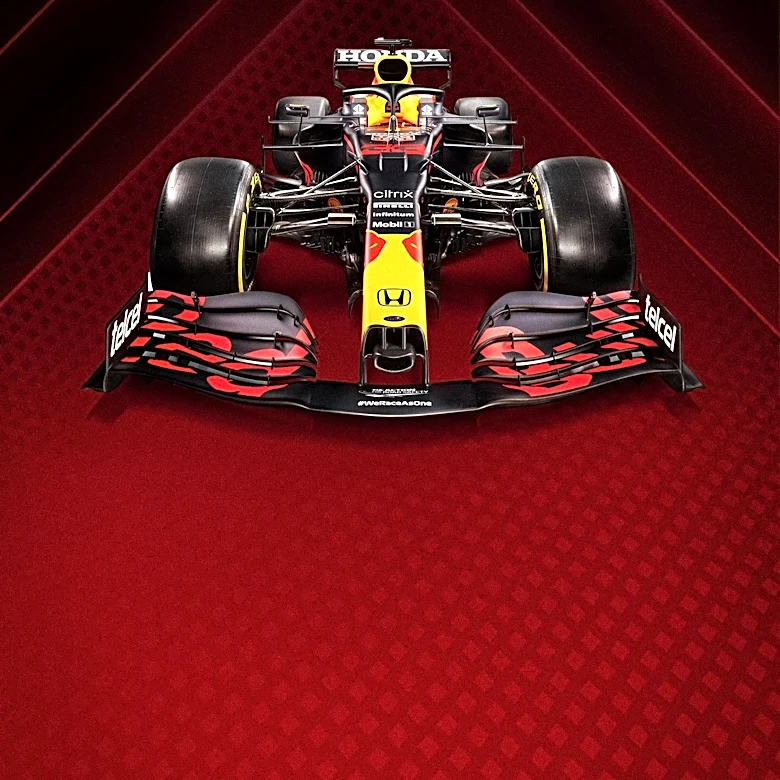
unit supplier, and Adrian Newey designing the AMR26, the first half of the season has been disastrous. Aston Martin currently sits 10th in the constructors' standings with only one point. Orihara stated that while a major power unit upgrade is expected at the Dutch Grand Prix, it will not resolve all of the team's issues. He warned that Honda might not be a top competitor in terms of power until 2027 or even 2028, dampening immediate title hopes.
Why It's Important?
This development is significant for the U.S. motorsports audience and the broader Formula 1 landscape, as it impacts the competitive balance of the sport. Aston Martin, a team with growing global recognition, including in the U.S., faces a setback in its ambition to challenge for championships. The delay in Honda's power unit competitiveness could affect driver market dynamics, particularly for experienced drivers like Fernando Alonso, who is nearing the end of his career. For U.S. fans and potential investors, the struggles of a prominent team like Aston Martin highlight the immense technical and financial challenges of succeeding in F1, potentially influencing future U.S. team entries or sponsorships. The long-term nature of engine development also underscores the strategic planning required in F1, where immediate results are often elusive.
What's Next?
Aston Martin will proceed with the planned power unit upgrade from Honda at the upcoming Dutch Grand Prix, hoping for some improvement in performance. However, the team and Fernando Alonso will need to adjust their expectations for the immediate future, as Honda's chief engineer has indicated that top-tier power unit competitiveness is still several years away. Honda is working closely with Aston Martin to optimize the car's design for the 2027 regulations, focusing on improving combustion performance. This suggests a long-term development strategy rather than quick fixes. Alonso, who has reportedly considered his future in the sport due to the car's underperformance, will face a decision on whether to continue with Aston Martin through this rebuilding phase, which could extend until 2028.
Beyond the Headlines
The candid assessment from Honda's chief engineer reveals the intricate and often protracted nature of technological development in Formula 1. It highlights that even with significant investment and top talent like Adrian Newey, achieving peak performance in F1 is a multi-year endeavor, especially concerning power units. This situation could lead to a re-evaluation of expectations within the sport regarding the speed at which new partnerships or major technical changes can yield championship-contending results. Ethically, it raises questions about managing driver expectations and team morale when long-term goals clash with immediate competitive desires. Culturally, it reinforces the idea that F1 is not just about driving skill but also about the relentless pursuit of engineering excellence and the patience required to see those efforts come to fruition over several seasons.