
What's Happening?
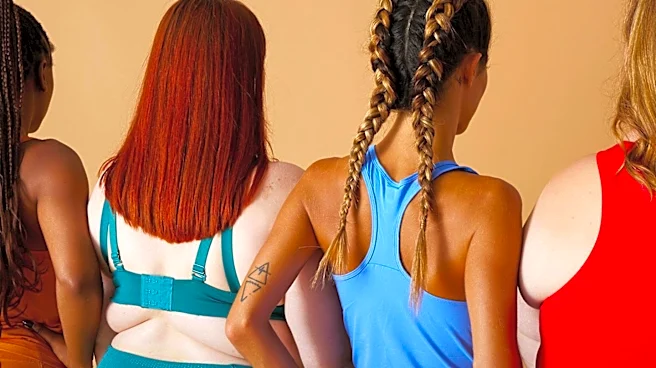
The body positivity movement is experiencing a significant evolution in 2026, with a notable shift towards the acceptance and celebration of diverse, curvaceous physiques in media and fashion. This cultural
change is moving away from traditional, rigid beauty standards, driven by audience demand for authentic representation. Digital platforms like Instagram and TikTok have played a crucial role in decentralizing fame, allowing both independent creators and mainstream celebrities to build large followings based on body-positive transparency. This shift is not merely aesthetic but represents a psychological reclamation of space for diverse bodies that were historically marginalized. The term 'curvage celebs' has emerged to describe high-profile figures who champion inclusive silhouettes and anatomical diversity. Brands are increasingly required to cater to diverse sizing and partner with body-positive influencers to remain competitive and avoid digital backlash, transforming retail supply chains to expand size ranges while maintaining high-fashion design integrity. The focus has also shifted from rapid weight loss to sustainable metabolic health and strength-based aesthetics, with celebrities openly sharing their health journeys to combat stigma.
Why It's Important?
This evolution in body positivity has profound implications for U.S. industries, particularly fashion, retail, and media. Brands that fail to adapt to the demand for inclusive sizing and authentic representation face significant commercial risks, including digital backlash and reduced market survival. Conversely, companies that strategically partner with body-positive influencers and offer diverse product lines are seeing increased consumer loyalty and higher conversion rates, especially in sectors like intimate apparel and luxury denim. The shift also impacts public policy and societal norms by challenging long-held, often unrealistic, beauty standards. It promotes a more inclusive view of health, emphasizing overall well-being and functional strength over superficial appearance. This cultural realignment fosters a more accepting society, empowering individuals to embrace their unique physical attributes and promoting self-love and self-acceptance across various demographics. The increased transparency from public figures regarding fitness, styling, and cosmetic enhancements also builds greater trust with consumers.
What's Next?
The trend of embracing diverse body types is expected to continue, solidifying its place as a permanent cultural realignment rather than a temporary trend. Brands will likely further integrate inclusive sizing and body-positive marketing into their core strategies, leading to continued innovation in garment construction and design that celebrates natural body variations. The influence of digital platforms will grow, with algorithms potentially further prioritizing content that promotes body neutrality and authentic representation. Public figures will continue to navigate the complexities of digital scrutiny, algorithmic bias, and the psychological pressures of maintaining a public persona centered on physical appearance, necessitating robust digital safety measures and deliberate communication strategies. The media landscape will likely see stricter guidelines against body shaming, pushing content creators towards more respectful and analytical coverage of celebrity influence and achievements, rather than speculative commentary on physical states. This will also drive further demand for ethical advertising practices that avoid digital alteration and promote authentic representation.
Beyond the Headlines
The deeper implications of this movement extend to ethical, legal, and cultural dimensions. Ethically, it challenges the long-standing objectification of bodies in media and promotes a more holistic view of human worth, independent of physical appearance. It also raises questions about the responsibility of influencers and brands in promoting healthy body image, especially concerning transparency around cosmetic enhancements and fitness regimes. Legally, there could be increased pressure for regulations against body shaming and discriminatory practices in advertising and media. Culturally, this shift represents a significant move towards greater inclusivity and diversity, potentially leading to a more empathetic and accepting society. It encourages a re-evaluation of beauty standards that have historically been narrow and exclusionary, fostering a broader appreciation for human variation. This long-term shift could empower individuals to develop healthier relationships with their bodies, reduce the prevalence of body image issues, and create a more equitable representation across all facets of public life.