






What's Happening?
Barcelona has released an extensive architectural guide, 'Barcelona Architecture Guide: 50 Must-See Buildings (2026),' detailing 50 significant structures across the city. This guide, published by ArchEyes, categorizes buildings by district, including
Ciutat Vella, Eixample, Gràcia & Park Güell, Montjuïc, Waterfront, Poblenou & Diagonal Mar, Les Corts & Pedralbes, and Sant Gervasi & Tibidabo. It highlights a diverse range of architectural styles from Catalan Gothic and Modernisme to contemporary designs. Notable inclusions are Antoni Gaudí's Sagrada Família, Casa Batlló, and Park Güell, as well as works by other prominent architects like Lluís Domènech i Montaner and Josep Puig i Cadafalch. The guide also features modern landmarks such as the Barcelona Pavilion by Mies van der Rohe and Frank Gehry's 'Peix' sculpture, emphasizing Barcelona's rich architectural history and ongoing evolution.
Why It's Important?
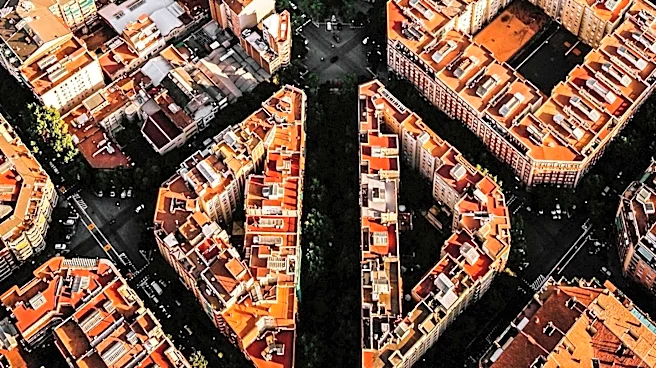
This comprehensive guide is significant for promoting architectural tourism and education in Barcelona, a city renowned for its unique urban landscape. By organizing buildings by district, it facilitates easier exploration for visitors, potentially boosting local tourism and related industries. The inclusion of diverse architectural periods, from medieval to contemporary, showcases the city's continuous innovation and preservation efforts. For architects, urban planners, and students, the guide serves as a valuable resource, offering insights into the integration of historical and modern designs within a vibrant urban fabric. It underscores Barcelona's role as a global architectural hub, attracting international interest and investment in its cultural heritage and urban development.
What's Next?
The release of this guide is expected to enhance Barcelona's appeal as a destination for architectural enthusiasts. Local tourism boards and cultural institutions may leverage the guide to develop new tours and educational programs, further integrating architecture into the city's cultural offerings. The guide's detailed descriptions and historical context could also inspire future architectural preservation and development projects, ensuring the continued evolution of Barcelona's urban identity. Additionally, the guide's digital availability and categorization might lead to increased engagement from international audiences, fostering greater appreciation for Catalan architecture.
Beyond the Headlines
The guide subtly highlights the interplay between architecture and urban regeneration, particularly in areas like El Raval and Poblenou, where new public spaces and contemporary designs have revitalized former industrial zones. It also touches upon the ethical dimension of preserving historical structures while integrating modern elements, as seen in projects like the Santa Caterina Market and the conversion of industrial buildings into cultural centers. The emphasis on public accessibility, with many sites offering tours or visible from the street, reflects a commitment to making architectural heritage a shared experience. This approach not only celebrates the aesthetic and historical value of buildings but also their role in shaping community life and cultural identity.