




What's Happening?
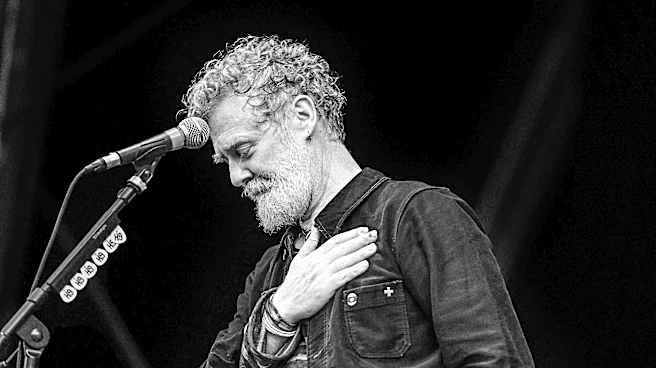
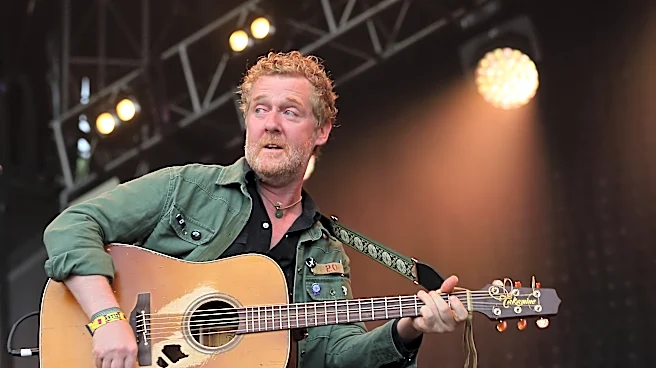
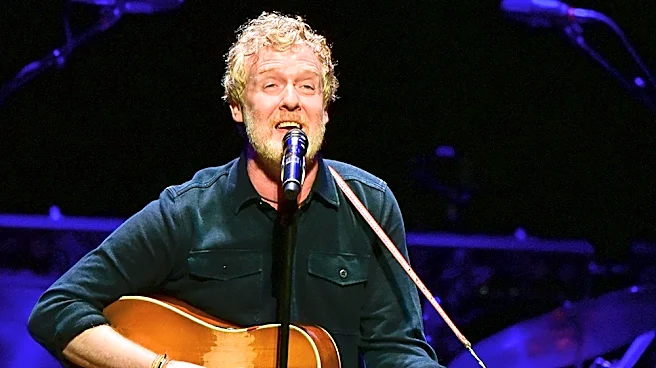
Glen Hansard, the renowned Irish singer-songwriter, passed away at the age of 56. Known for his role in the indie film 'Once' and his Oscar-winning song 'Falling Slowly,' Hansard's career spanned over four decades. He began his musical journey as a street
musician in Dublin, which profoundly shaped his artistic style and approach. Hansard was celebrated for his ability to connect with audiences, often performing impromptu sets in intimate settings. His influence extended across the music industry, with tributes pouring in from fellow artists and collaborators. Despite his success, Hansard remained true to his roots, frequently engaging in busking and emphasizing music as a communal experience.
Why It's Important?
Hansard's death marks the loss of a significant figure in the music world, known for bridging the gap between performer and audience. His approach to music, characterized by inclusivity and authenticity, has inspired countless artists and fans. Hansard's legacy is not only in his music but also in his ethos of making music accessible and shared. His influence is evident in the tributes from industry peers, highlighting his generosity and mentorship. Hansard's career serves as a reminder of the power of music to connect people and the importance of staying true to one's artistic roots.
What's Next?
In the wake of Hansard's passing, there may be renewed interest in his music and the values he championed. Fans and fellow musicians might organize tributes or benefit concerts to honor his legacy. Additionally, the release of his final album, which he was working on before his death, could provide a lasting testament to his artistry. The music community may also reflect on Hansard's impact, potentially inspiring a new generation of artists to embrace a more inclusive and authentic approach to their craft.
Beyond the Headlines
Hansard's life and career highlight the cultural significance of street music and its role in shaping artists. His story underscores the importance of accessibility in the arts and the potential for music to transcend social and economic barriers. Hansard's commitment to inclusivity and community engagement offers a model for artists seeking to connect with audiences on a deeper level. His legacy may encourage a reevaluation of how music is shared and experienced, promoting a more egalitarian approach to the arts.