









What's Happening?
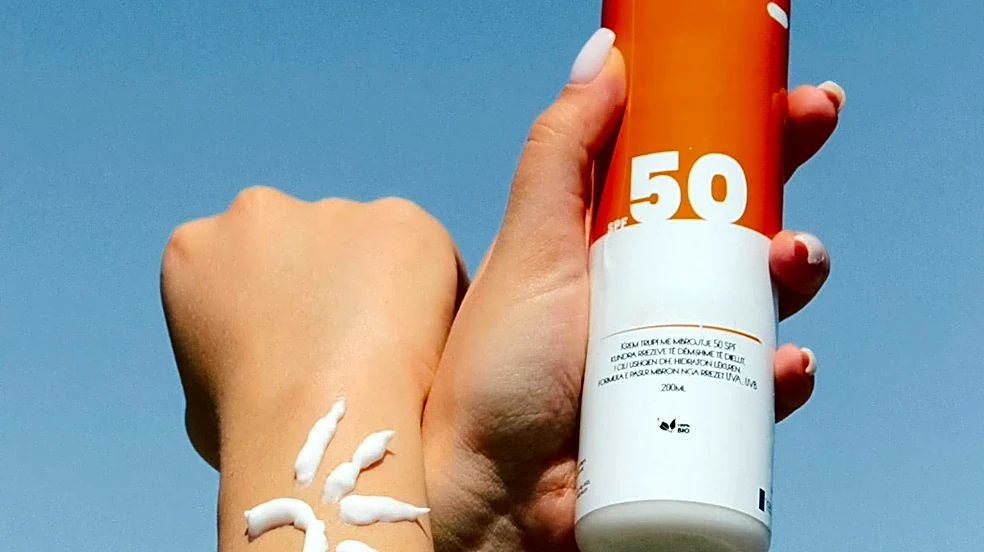
A recommended skincare routine for combination skin, characterized by an oily T-zone (forehead, nose, and chin) and normal or dry cheeks, focuses on balancing these differing needs. The morning routine involves a gentle, soap-free cleanser, followed by a hydrating
toner mist, a light serum (such as Niacinamide Glow Serum or Aquaglow Hydrating Serum for drier areas), a non-greasy moisturizer applied thinly on the T-zone and more generously on the cheeks, and finally, a lightweight, matte sunscreen with SPF 50 PA++++. The evening routine mirrors the morning's cleansing, toning, and serum application, with a slightly more generous application of moisturizer on dry areas. For those prone to blackheads in the T-zone, a salicylic acid cleanser can be incorporated once a day in the evening, while monitoring for dryness on the cheeks. The routine stresses avoiding harsh, drying cleansers and over-exfoliation, which can exacerbate combination skin issues.
Why It's Important?
This detailed skincare guidance for combination skin is important for a significant portion of the U.S. population, as combination skin is one of the most common skin types. Mismanaging combination skin can lead to persistent issues like breakouts in oily areas and dryness or irritation in others, impacting individuals' comfort and confidence. By providing a balanced approach that addresses both oily and dry zones, this routine helps consumers avoid common pitfalls, such as using products designed for purely oily or dry skin, which can worsen imbalances. The emphasis on gentle cleansing, targeted hydration, and consistent sun protection promotes overall skin health and can reduce the need for more intensive treatments for preventable conditions. This approach can lead to more effective product usage and better long-term skin outcomes for many Americans.
What's Next?
Individuals with combination skin are encouraged to adopt this balanced routine, adjusting product amounts based on seasonal changes and their skin's specific needs. For instance, in humid summers, less moisturizer may be needed on the T-zone, while dry winters might require more hydration on the cheeks. The advice to use a hydrating mist during the day, especially in air-conditioned environments, suggests ongoing adjustments are key. Consumers are also advised to avoid common mistakes like skipping moisturizer or using heavy creams all over the face. The continuous monitoring of skin response and making subtle adjustments will be crucial for maintaining skin balance. This guidance promotes a proactive and adaptive approach to skincare, moving away from rigid routines towards personalized care.
Beyond the Headlines
The detailed guidance for combination skin highlights a broader trend in the U.S. skincare industry towards personalized and nuanced approaches. Instead of one-size-fits-all solutions, there's a growing recognition that different areas of the face can have distinct needs. This encourages consumers to become more attuned to their skin's signals and to select products strategically. The emphasis on gentle, non-stripping products also reflects a shift away from aggressive treatments that can compromise the skin barrier, promoting a philosophy of skin health and resilience. This educational approach empowers individuals to understand the 'why' behind their skincare choices, fostering a more informed consumer base that values efficacy and skin well-being over quick fixes or harsh interventions. It also underscores the importance of consistency and patience in achieving desired skin outcomes.