




What's Happening?
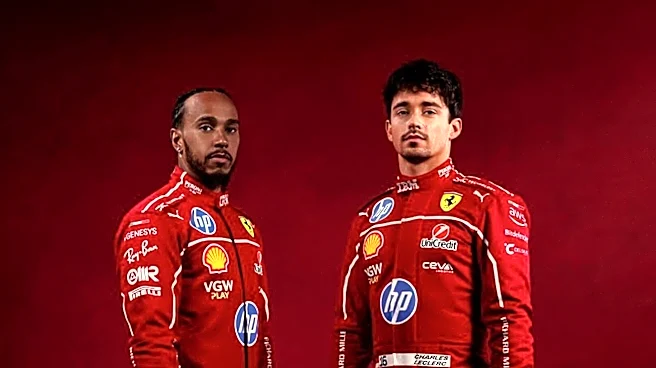
During the 2026 Las Vegas Grand Prix, a collision occurred between Lewis Hamilton and Charles Leclerc while they were battling for P6. The incident, which took place on Lap 37, resulted in Leclerc knocking Hamilton into a spin, causing Hamilton to lose
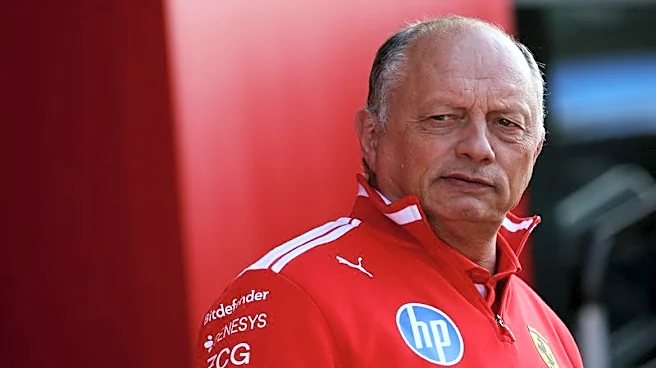
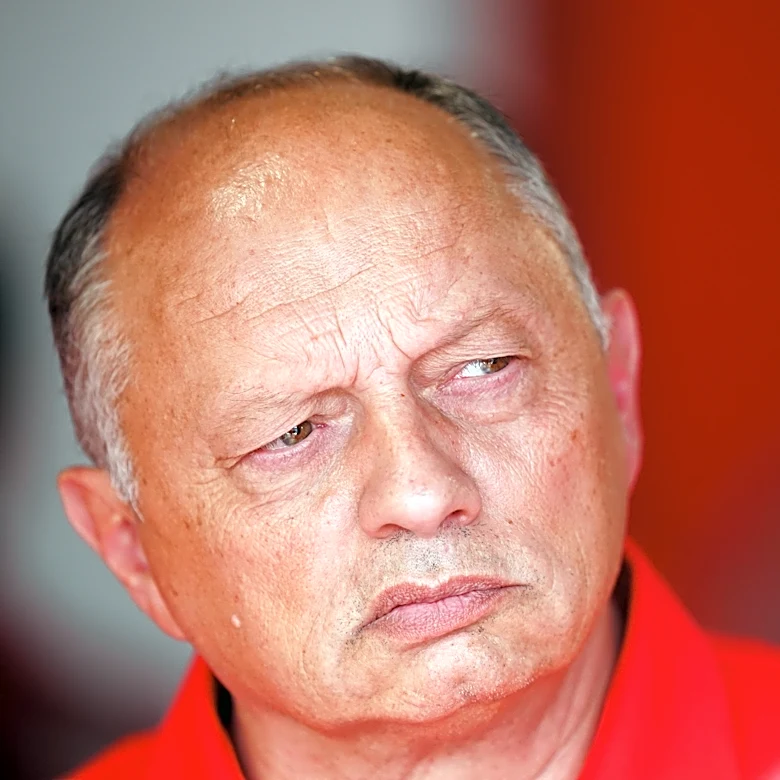
four positions. Hamilton ultimately recovered to finish seventh, while Leclerc received a 10-second penalty, dropping him to tenth place. Ferrari Team Principal Fred Vasseur expressed significant frustration over the incident, labeling it as 'unacceptable' and a 'lack of respect' for the team and its sponsors. This clash follows a similar incident between the two drivers just two races prior in Mexico, which Vasseur stated cost the team a potential victory. A meeting had been held in Sao Paulo to clear the air between Hamilton and Leclerc, with a new understanding reportedly established, making this latest incident particularly disappointing for the team principal.
Why It's Important?
This incident highlights ongoing tensions and competitive dynamics within a major Formula 1 team, which can significantly impact team performance and championship aspirations. For Ferrari, a team with a rich history and high expectations, internal conflicts between drivers can undermine strategic goals and public perception. Such clashes can lead to lost points in the Constructors' Championship, affecting financial incentives and team morale. The repeated nature of these incidents, despite prior discussions, suggests a deeper issue in driver management or competitive discipline. This situation could influence future team orders, driver contracts, and the overall competitive landscape of Formula 1, potentially benefiting rival teams if Ferrari's internal issues persist. The 'lack of respect' comment from Vasseur underscores the severity of the situation from the team's perspective, indicating potential repercussions for the drivers involved.
What's Next?
Following the latest collision, it is likely that Ferrari will conduct further internal discussions with Lewis Hamilton and Charles Leclerc to address the recurring issue of on-track contact. Team Principal Fred Vasseur's strong condemnation suggests that more stringent measures or clearer guidelines might be implemented to prevent future incidents. The team will need to re-evaluate its strategy for managing competitive interactions between its drivers, especially in close racing scenarios. This could involve revised team orders or stricter penalties for drivers who fail to adhere to team expectations regarding on-track conduct. The outcome of these internal discussions will be crucial for Ferrari's performance in the remainder of the season and could influence long-term driver dynamics and team stability. The focus will be on ensuring that both drivers can compete effectively without compromising the team's overall objectives.
Beyond the Headlines
The repeated clashes between Hamilton and Leclerc, despite previous attempts to resolve their differences, point to a complex interplay of individual ambition and team objectives within elite sports. This situation raises questions about the psychological pressures on top athletes and the challenge for team management to balance individual competitive drives with collective success. The 'lack of respect' comment from Vasseur extends beyond mere on-track contact, suggesting a breakdown in trust or adherence to team principles. This could have broader implications for how Formula 1 teams foster a cohesive environment while managing highly competitive individuals. The incident also highlights the inherent tension in a sport where drivers are both teammates and rivals, constantly vying for position and personal glory, which can sometimes overshadow the team's best interests. The resolution of this ongoing dynamic will be a test of Ferrari's leadership and its ability to maintain control over its star drivers.