





What's Happening?
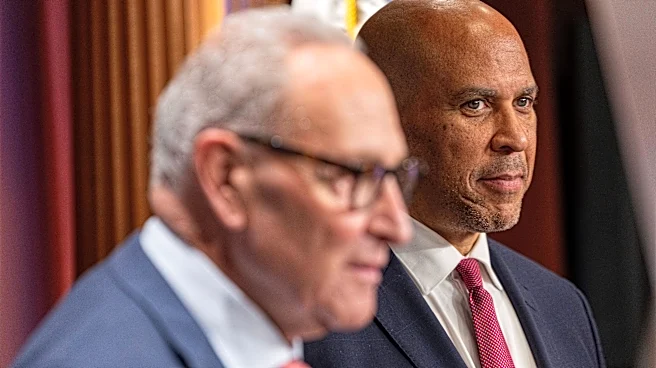
Senators Todd Young (R-Ind.) and Cory Booker (D-N.J.) have introduced the Optimizing Participant Tax Incentives through Optional Noncash Selections (OPTIONS) Act. This bipartisan legislation aims to amend the Internal Revenue Code, allowing American workers
greater control over how their employer-provided benefits are allocated. The bill establishes a statutory framework for qualified benefit options plans, ensuring that flexible noncash perks retain their federal tax protections. Under the proposed act, employees could direct employer contributions towards various tax-favored accounts, including 401(k) retirement accounts, qualified student loan repayment programs, health savings accounts (HSAs), and health reimbursement arrangements. This initiative seeks to address the diverse financial pressures faced by different segments of the workforce, from recent graduates with student debt to mid-career parents managing medical expenses and older employees nearing retirement. Companion legislation has also been introduced in the U.S. House of Representatives by Representative Greg Steube (R-Fla.) and Representative Suzan DelBene (D-Wash.), indicating bicameral support.
Why It's Important?
The OPTIONS Act is significant because it directly responds to the affordability challenges faced by American households and aims to modernize the structure of workplace benefits. Current tax rules often restrict companies from offering flexible benefit packages without penalizing workers or employers, leading to uniform offerings that may not suit a multi-generational workforce. By allowing employees to customize their benefit allocation, the legislation empowers individuals to address their most pressing financial needs, whether it's saving for retirement, paying off student loans, or covering healthcare costs. This flexibility could enhance financial well-being for millions of Americans, potentially reducing financial stress and improving long-term economic security. For businesses, the act could serve as a valuable tool for recruiting and retaining talent by offering more attractive and personalized compensation packages. Endorsements from major national employer and retirement coalitions, such as the American Retirement Association, underscore the perceived benefits for both employees and the business community.
What's Next?
The OPTIONS Act, having been introduced in both the Senate and the House, will now proceed through the legislative process. Its bipartisan and bicameral support suggests a potential for advancement, especially during the post-election lame-duck session. The legislation will likely undergo committee review and debate in both chambers. If passed, it would require the Internal Revenue Service and employers to adapt to the new framework for benefit allocation. The success of this bill could pave the way for further reforms aimed at increasing flexibility in employee compensation and benefits. Stakeholders, including employers, financial institutions, and employee advocacy groups, will closely monitor its progress, as its enactment would necessitate adjustments in benefit administration and financial planning strategies across the country.
Beyond the Headlines
Beyond its immediate impact on benefit allocation, the OPTIONS Act reflects a broader shift in understanding the diverse financial needs of the modern workforce. It acknowledges that a 'one-size-fits-all' approach to employee benefits is increasingly inadequate in an economy marked by varying life stages, educational debts, and healthcare costs. This legislation could set a precedent for future policy-making that prioritizes individual financial autonomy and tailored solutions over standardized programs. It also highlights the growing recognition of student loan debt as a significant barrier to long-term financial stability, placing it on par with retirement savings and healthcare in terms of employer-supported financial planning. The act's emphasis on tax-favored accounts also underscores the ongoing role of tax policy in shaping economic behavior and incentivizing desired financial outcomes for American workers.