





What's Happening?
Sierra Pacific Industries (SPI) has acquired the Burney Forest Products biomass power plant in Northern California, significantly increasing its renewable energy operations. This acquisition adds an estimated 30 megawatts of electricity generation capacity,
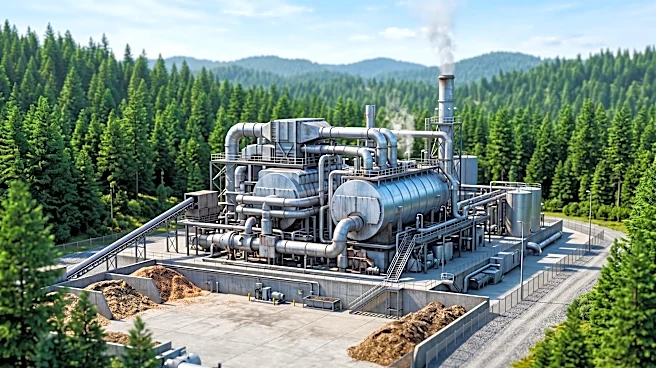
enough to power approximately 34,000 homes. The Burney facility utilizes sawmill residuals and low-value wood removed from forests to produce steam for electricity generation and lumber drying. SPI plans to refurbish the plant, with full operational status expected by 2027. This expansion will also create an estimated 20 permanent jobs for the management of the facility. With this latest acquisition, SPI now operates nine cogeneration facilities, boasting a combined generating capacity of up to 211 megawatts, capable of supplying power to about 212,000 homes. Vaughn Emmerson, SPI vice president of lumber operations, highlighted the facility's historical value to the Burney area through job creation, waste wood utilization, and renewable energy contribution, emphasizing its natural fit with SPI's commitment to efficient use of renewable forest resources.
Why It's Important?
This acquisition by Sierra Pacific Industries is important for several reasons, particularly in the context of U.S. energy policy and environmental sustainability. By expanding its biomass energy generation, SPI contributes to the diversification of the national energy grid, reducing reliance on fossil fuels and promoting renewable sources. The utilization of sawmill residuals and low-value wood for energy production addresses waste management challenges within the forestry industry, transforming what would otherwise be discarded material into a valuable energy resource. This approach aligns with broader environmental goals of reducing carbon emissions and fostering a circular economy. Furthermore, the creation of 20 permanent jobs in Northern California provides economic benefits to the local community, supporting employment in a region that can benefit from industrial investment. The increased renewable energy capacity also enhances energy security and resilience, offering a stable power supply derived from sustainably managed forest resources across California, Oregon, and Washington.
What's Next?
The immediate next step for Sierra Pacific Industries involves the refurbishment of the Burney Forest Products biomass power plant. This process is anticipated to lead to the facility becoming fully operational by 2027. Following its re-opening, the plant will integrate into SPI's existing network of cogeneration facilities, contributing to its overall renewable energy output. The company will also focus on hiring and training the estimated 20 permanent employees required for the facility's management and operation. This expansion is likely to solidify SPI's position as a significant player in the renewable energy sector, particularly in biomass energy. Future developments could include further investments in similar biomass projects or other renewable energy technologies, as the company continues to leverage its extensive timberland holdings for sustainable resource management and energy production. The success of this refurbishment could also serve as a model for other forest product companies looking to integrate renewable energy generation into their operations.
Beyond the Headlines
Beyond the immediate benefits of increased renewable energy and job creation, this acquisition by Sierra Pacific Industries highlights a broader trend in the U.S. towards integrating sustainable practices within traditional industries. The use of biomass from forest residuals for energy production exemplifies a commitment to maximizing resource utility and minimizing waste, which has significant ethical and environmental implications. It underscores the potential for industries like forestry, often perceived as resource-extractive, to become key contributors to a greener economy. This development also touches upon the cultural shift towards valuing sustainability and corporate responsibility, where companies are increasingly expected to demonstrate environmental stewardship. The long-term implications could include a greater emphasis on sustainable forest management practices that prioritize both timber production and energy generation, potentially influencing policy decisions related to renewable energy incentives and forest land use. This move by SPI could also inspire other large landholders and industrial entities to explore similar synergistic approaches to resource management and energy production.