





What's Happening?
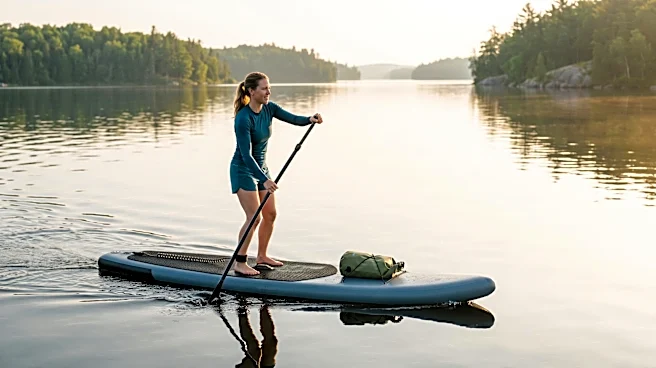
Bluefin SUP has outlined seven key signs indicating when a stand-up paddleboard (SUP) enthusiast should consider upgrading their board. These signs move beyond simple age or wear, focusing instead on a mismatch between the paddler's evolving skills, preferences,
and the capabilities of their current equipment. The indicators include consistently feeling that the board is too slow, experiencing poor straight-line tracking, significant increases in paddling distances, regularly using the SUP in different or more challenging conditions, needing more space for equipment, having skills that have progressed beyond a beginner all-round SUP, and the board becoming unreliable or seriously worn. Bluefin emphasizes that an upgrade should be driven by a genuine change in paddling requirements rather than just the desire for a newer model, suggesting that the right upgrade should make the preferred type of paddleboarding easier to pursue.
Why It's Important?
This guidance from Bluefin SUP is crucial for the U.S. paddleboarding market as it educates consumers on making informed purchasing decisions, moving beyond impulse buys to needs-based upgrades. For the U.S. industry, this approach can foster customer loyalty by ensuring paddlers invest in equipment that genuinely enhances their experience, rather than leading to dissatisfaction. It also highlights the maturation of the SUP market, where diverse board types cater to specific needs—from touring and racing to casual recreation. This detailed advice can help U.S. retailers and manufacturers better segment their market and tailor product recommendations, ultimately driving sales of higher-performance or specialized boards. By encouraging thoughtful upgrades, Bluefin contributes to a more sustainable consumption model within the U.S. outdoor recreation sector, where equipment is chosen for its utility and longevity rather than just novelty.
What's Next?
Bluefin SUP and other manufacturers in the U.S. market will likely continue to provide educational content to help consumers understand their evolving needs and match them with appropriate equipment. This could involve online guides, in-store consultations, and interactive tools to assess a paddler's skill level and usage patterns. Retailers might develop 'upgrade programs' or trade-in options to facilitate the transition to more advanced boards. The emphasis on specialized boards will likely lead to further innovation in SUP design, with manufacturers developing more niche products for specific conditions or activities. This trend will also encourage U.S. paddlers to consider lessons or skill-building workshops to maximize the potential of their upgraded equipment, further supporting the growth of the SUP instruction industry.
Beyond the Headlines
The detailed advice on upgrading SUPs reflects a broader shift in consumer culture towards mindful consumption and the pursuit of specialized experiences. In the U.S., as disposable income allows for more leisure activities, consumers are increasingly seeking equipment that precisely matches their evolving passions and skill levels. This trend has implications for product design, pushing manufacturers to create more nuanced and high-performance gear. Ethically, encouraging upgrades based on genuine need rather than planned obsolescence aligns with principles of sustainability and responsible manufacturing. Culturally, it signifies the deepening engagement of individuals with their hobbies, transforming casual pastimes into serious pursuits that demand appropriate tools. This could lead to a more discerning and knowledgeable consumer base in the U.S. outdoor recreation market, valuing quality and performance over mere novelty.