



What's Happening?
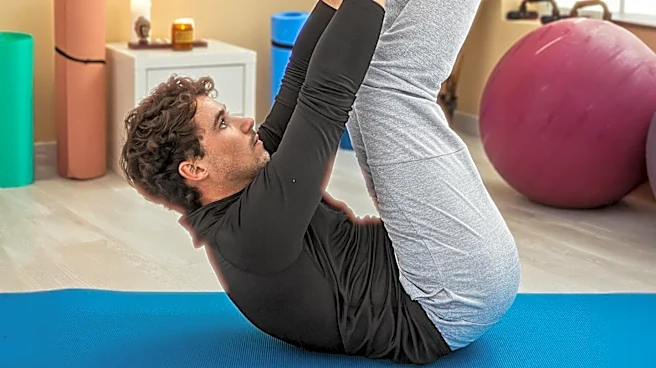
Pilates is a comprehensive exercise method that prioritizes control, precise form, and consistent breathing. Its primary focus is on strengthening the body's core, often referred to as the 'powerhouse,' which encompasses the abdominal layers, pelvic floor,
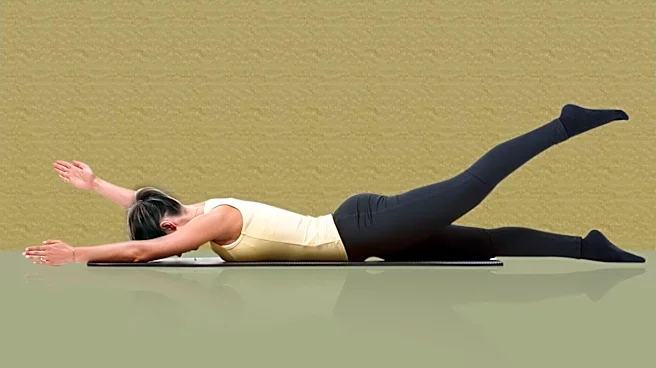
and lower back. Through slow, deliberate movements that engage deep muscles, Pilates aims to cultivate strength, control, and stability within this core region. Classes typically begin with a warm-up, incorporating exercises such as imprint, glute bridges, and side bends, before progressing to a series of mat exercises that can vary in intensity. This exercise modality is designed to be accessible to individuals of all fitness levels and can be performed with or without the addition of weights. The practice is geared towards enhancing core strength, improving flexibility, refining balance, and fostering mindful movement.
Why It's Important?
The emphasis of Pilates on core strength and stability holds significant importance for overall physical well-being. A strong core is fundamental for supporting the spine, improving posture, and preventing injuries, particularly in the back. For individuals across various demographics, from athletes seeking to enhance performance to those recovering from injuries or simply aiming for better daily function, Pilates offers a structured approach to building foundational strength. The focus on controlled movements and proper form helps to protect joints from strain, making it a safe and effective exercise option. Furthermore, the integration of steady breathing with physical movement promotes a mind-body connection, which can reduce stress and improve body awareness. This holistic approach to fitness contributes to long-term physical health and can positively impact daily activities and quality of life.
What's Next?
Individuals interested in starting Pilates can expect to find classes suitable for beginners, often with instructors who provide guidance on basic terms and movements. Preparing for a first class typically involves wearing fitted athletic clothing to allow instructors to observe form, and using sticky-grip socks for safety and hygiene on equipment. Arriving early to a class is recommended to allow time to settle in, meet the instructor, and communicate any health concerns or injuries. Instructors often provide extra help and demonstrations for new participants. As individuals progress, they can anticipate learning more advanced techniques and potentially incorporating various equipment, such as reformers, to further challenge their core strength and flexibility. The continuous focus on control, form, and breath will remain central to the practice, fostering ongoing physical development.
Beyond the Headlines
Beyond its immediate physical benefits, Pilates offers deeper implications for personal well-being and movement philosophy. The practice encourages a heightened sense of body awareness and proprioception, which is the body's ability to sense its position and movement. This can translate into improved coordination and a more intuitive understanding of one's physical capabilities. The emphasis on mindful movement and breath control also aligns with principles found in mindfulness practices, potentially offering mental benefits such as increased focus and stress reduction. By fostering a connection between the mind and body, Pilates can empower individuals to take a more active role in their physical health and develop a sustainable approach to fitness that prioritizes quality of movement over sheer intensity. This can lead to a more balanced and resilient body, capable of adapting to various physical demands.