





What's Happening?
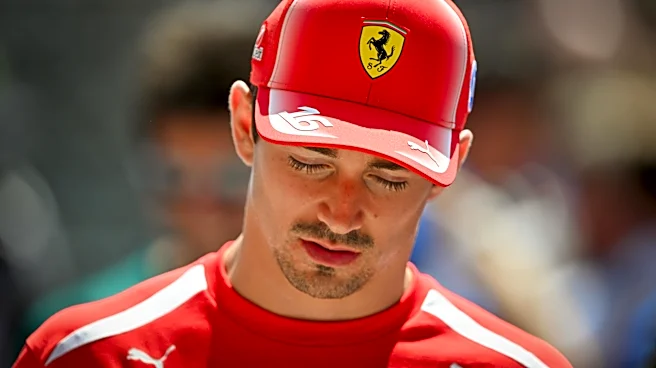
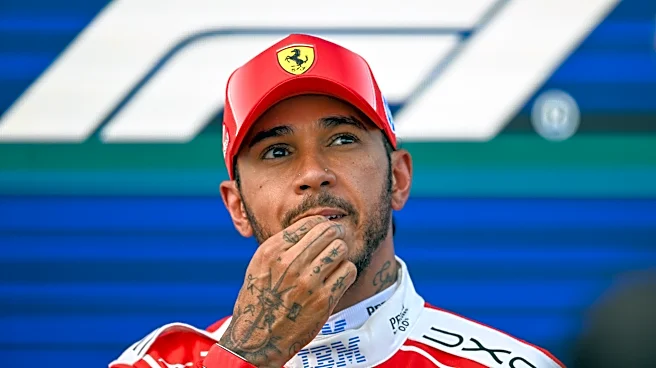
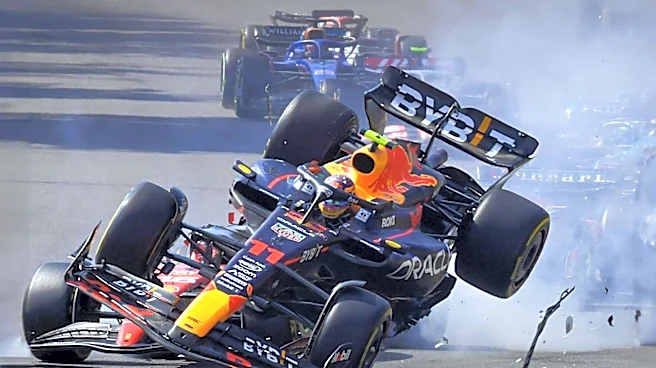
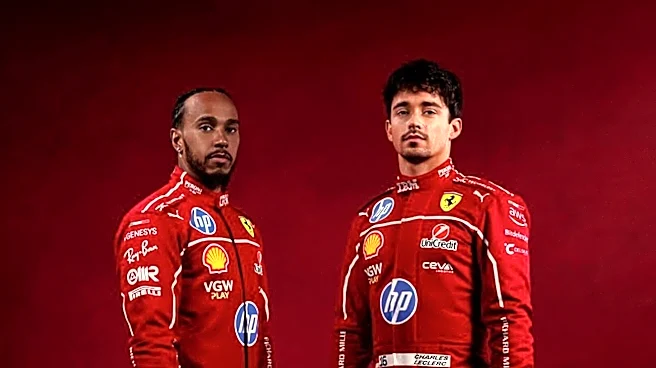
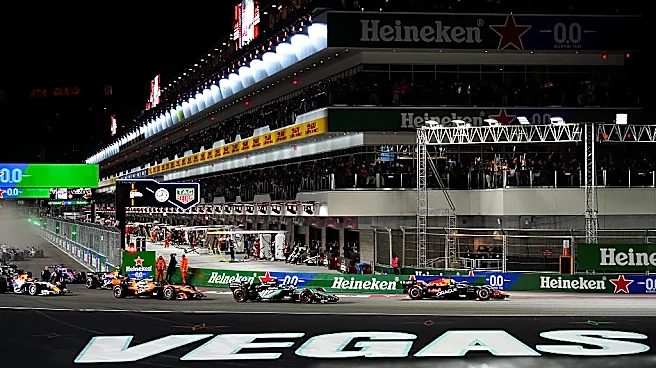
Ferrari is facing calls for drastic action following a second on-track collision between its drivers, Lewis Hamilton and Charles Leclerc, in three Grands Prix. The latest incident occurred at the Las Vegas Grand Prix when Leclerc collided with Hamilton while
attempting an overtake. The FIA stewards subsequently issued Leclerc a 10-second time penalty for causing the collision. Former IndyCar driver and Formula 1 pundit James Hinchcliffe has suggested that Ferrari should consider benching either Hamilton or Leclerc for a race to impress upon them the consequences of such incidents. Hinchcliffe even proposed giving Haas driver Oliver Bearman an opportunity with Ferrari in place of one of the current drivers. This repeated clash presents a significant challenge for Ferrari team principal Fred Vasseur in managing the growing tensions between his two star drivers.
Why It's Important?
The recurring collisions between Ferrari's drivers, Lewis Hamilton and Charles Leclerc, carry significant implications for the team's performance and reputation in Formula 1. Such incidents not only jeopardize potential race points and championship standings but also create internal discord, which can negatively impact team morale and strategic decisions. For Ferrari, a brand synonymous with racing excellence, these clashes undermine its competitive image and raise questions about team management. The suggestion of benching a driver, while extreme, highlights the severity of the situation and the potential need for a strong deterrent to prevent future incidents. This internal rivalry, if left unchecked, could distract from the team's primary goal of winning races and championships, affecting its standing in the highly competitive world of Formula 1.
What's Next?
Ferrari team principal Fred Vasseur faces the immediate challenge of addressing the escalating tensions between Lewis Hamilton and Charles Leclerc. While no official decision has been announced regarding potential benchings, the pressure to resolve the issue is mounting. The team will likely conduct internal reviews and discussions to determine the best course of action, which could range from stricter team orders to more severe disciplinary measures. The upcoming races will be crucial in observing how the team manages its drivers and whether the incidents continue. The racing community will be closely watching Ferrari's response, as it could set a precedent for how top teams handle internal rivalries and driver conduct on the track.
Beyond the Headlines
The repeated clashes between Ferrari's drivers, Lewis Hamilton and Charles Leclerc, extend beyond mere racing incidents, touching upon the complex dynamics of team sports and individual ambition. In a high-stakes environment like Formula 1, the balance between fostering competitive spirit and maintaining team cohesion is delicate. These incidents highlight the ethical dilemma faced by team management: how to allow drivers to race hard while preventing actions that harm the team's overall objectives. The situation also underscores the psychological aspect of elite competition, where the drive to win can sometimes override team directives. The resolution of this conflict could influence future team strategies regarding driver pairings and the enforcement of team orders across the sport, potentially shaping the culture of competitive racing.