





What's Happening?
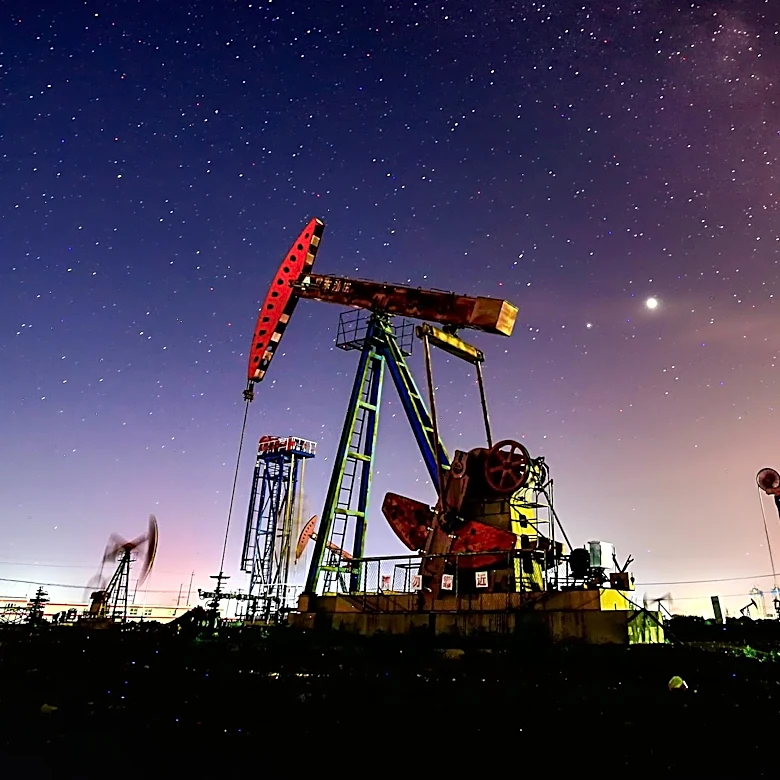
Oil prices have recently decreased, which could present a new challenge for the Federal Reserve and investors. While lower oil prices typically help reduce headline inflation and ease consumer costs, they can also inject more money into an already overheated
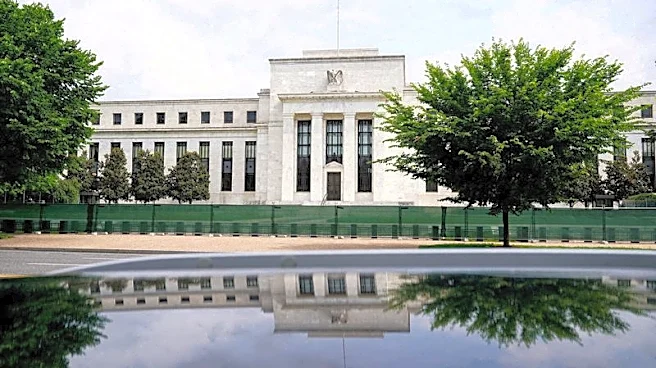
economy, potentially leading to higher inflation. This shift in market dynamics is highlighted by Apollo chief economist Torsten Sløk, who notes that the traditional correlation between crude oil prices and short-term Treasury yields has changed. Despite the drop in oil prices, the 2-year U.S. Treasury yield has not decreased accordingly. This divergence suggests that the usual inflationary pressures from high oil prices may not dissipate as expected. The Federal Reserve's preferred inflation gauge, the personal consumption expenditures (PCE) price index, is anticipated to show a slight increase, remaining above the Fed's 2% target.
Why It's Important?
The current situation underscores a complex economic environment where traditional indicators may not fully capture inflationary pressures. Lower oil prices, while beneficial for consumers at the pump, could inadvertently boost economic activity in sectors like travel and shipping, potentially exacerbating inflation. This scenario complicates the Federal Reserve's efforts to manage inflation through interest rate adjustments. If the economy continues to overheat, the Fed may be compelled to raise interest rates sooner than planned, impacting borrowing costs for businesses and consumers. The situation highlights the delicate balance the Fed must maintain between fostering economic growth and controlling inflation.
What's Next?
Investors and policymakers are closely monitoring the upcoming release of the PCE price index to gauge inflation trends. Should the index indicate persistent inflation, the Federal Reserve might consider adjusting its monetary policy, potentially increasing interest rates to curb economic overheating. This decision could have significant implications for financial markets, affecting stock prices, bond yields, and consumer borrowing costs. Additionally, the reopening of the Strait of Hormuz, a critical oil transit route, could further influence oil prices and economic conditions, necessitating careful analysis and response from the Fed.