








What's Happening?
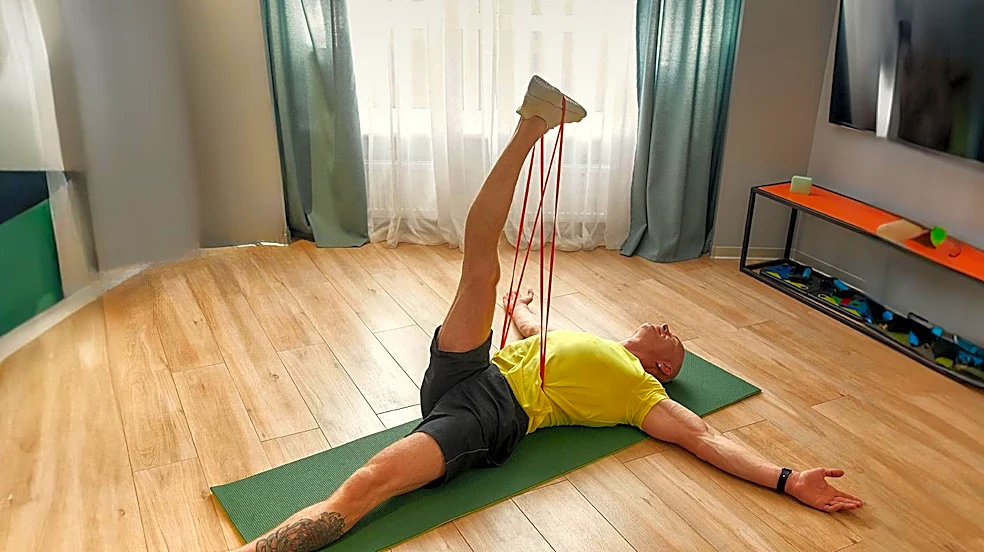
Active recovery and mobility exercises are highlighted as crucial components for maintaining healthy joints and supporting overall well-being. Mobility movements, which can be incorporated into daily routines such as morning warm-ups or evening resets,
are essential for increasing range of motion, preventing injuries, supporting muscle growth, improving posture, and reducing pain. These exercises target specific joints, preparing muscles for planned activities and enhancing stability, flexibility, and stamina. The source emphasizes that lifestyle behaviors, including performing mobility exercises, staying hydrated, getting quality sleep, eating nutritious foods, avoiding substance use, and managing weight, are key elements for joint health.
Why It's Important?
This information is vital for the U.S. population, particularly given the increasing awareness of chronic pain, sedentary lifestyles, and the importance of preventative health measures. By promoting active recovery and mobility, individuals can proactively address joint health, which is fundamental for maintaining an active lifestyle and preventing age-related decline. This approach can reduce the burden on the healthcare system by decreasing the incidence of joint-related injuries and conditions. Furthermore, integrating these practices into daily life can enhance overall physical performance, improve quality of life, and support long-term health goals for people of all ages and activity levels, from athletes to those with desk jobs.
What's Next?
The emphasis on active recovery and mobility suggests a growing trend towards holistic health and preventative care. Educational programs and fitness initiatives are likely to increasingly incorporate these concepts into their offerings, promoting daily mobility routines and active recovery days. Healthcare providers may also begin to more frequently recommend these practices as part of treatment plans for joint pain or as preventative measures. This could lead to a greater demand for resources and guidance on effective mobility exercises and active recovery techniques, influencing the development of new fitness apps, online courses, and specialized training programs.
Beyond the Headlines
The focus on active recovery and mobility extends beyond physical health, touching upon the broader concept of mindful movement and self-care. It encourages individuals to listen to their bodies and integrate gentle, purposeful movement into their daily lives, rather than solely relying on intense workouts. This shift can foster a more sustainable approach to fitness, where consistency and longevity are prioritized over short-term gains. It also highlights the interconnectedness of various lifestyle factors—sleep, nutrition, hydration—with physical well-being, reinforcing the idea that optimal health is achieved through a comprehensive and balanced approach.