



What's Happening?
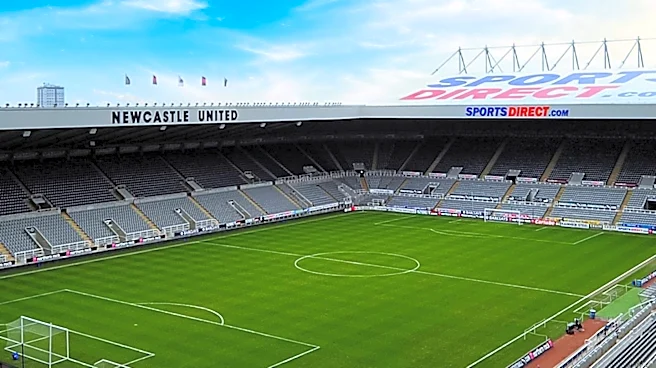
Newcastle United, under the ownership of Saudi Arabia's Public Investment Fund (PIF), is facing significant challenges related to financial fair play regulations, specifically Profit and Sustainability Rules (PSR) and Squad Cost Ratio (SCR). The club's
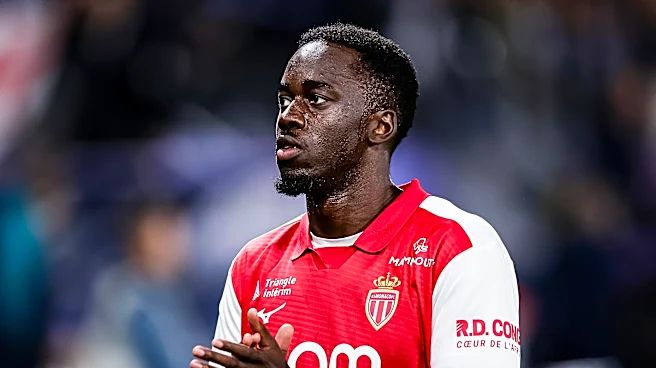
initial spending of approximately £450 million on transfers during the Amanda Staveley era was not matched by sufficient commercial income growth, leading to a situation where players like Yankuba Minteh and Elliot Anderson had to be sold for over £60 million by June 2024 to comply with PSR. The club's structure has been criticized as ineffective, with key personnel like Amanda Staveley and Paul Mitchell departing. Mitchell reportedly labeled the transfer operation as 'not fit for purpose,' and financial decisions were ultimately made by PIF. This has resulted in a strategy of 'develop to sell,' where senior players with higher earning potential, such as Alexander Isak, Anthony Gordon, Sandro Tonali, Bruno Guimarães, and Kieran Trippier, have left the club due to the inability to meet their salary expectations under the current financial constraints. The club is now operating with a younger squad, with eight of the summer's signings being 24 or younger.
Why It's Important?
This situation highlights the significant impact of financial regulations like PSR and SCR on club ownership and transfer strategies, even for entities with substantial backing like the Saudi Arabia PIF. For U.S. investors and sports business stakeholders, it underscores the complexities of navigating international football's financial landscape. The 'develop to sell' model, while potentially generating trading profit to inflate revenue for SCR compliance, could lead to a perception of the club as a stepping stone rather than a destination for top talent. This could affect the club's long-term competitiveness and brand appeal. The departure of key players and the struggle to retain them due to salary limitations demonstrate how financial rules can override the ambitions of even wealthy owners, forcing a more pragmatic, financially sustainable approach to squad building. This also raises questions about the effectiveness of the club's management structure and its ability to integrate new talent while adhering to strict financial guidelines.
What's Next?
Newcastle United is currently mid-table under manager Matthias Jaissle, operating with one of the youngest squads in years. The club's future trajectory will depend on its ability to successfully implement its 'develop to sell' model while maintaining competitive performance. The question remains whether this strategy is a temporary staging post or the long-term destination for PIF's involvement in Newcastle United. The club will need to find ways to grow its commercial income significantly to alleviate the pressure from PSR and SCR, allowing it to retain and attract higher-caliber players. The effectiveness of the new management under Ross Wilson and the integration of younger talent will be crucial in determining if Newcastle can achieve its ambitions within the existing financial framework. Continued scrutiny from football authorities regarding financial compliance will also be a constant factor.
Beyond the Headlines
The challenges faced by Newcastle United under PIF ownership extend beyond mere financial compliance; they touch upon the broader ethical and strategic implications of state-backed investment in sports. The 'develop to sell' model, while financially prudent under current regulations, could be seen as a departure from the initial high-ambition narrative that accompanied the PIF takeover. This raises questions about the long-term vision for the club and whether it aligns with the expectations of fans and the broader football community. The constant turnover of key players due to financial constraints could also impact team cohesion and the development of a strong club identity. Furthermore, the situation highlights the tension between the desire for immediate success through significant investment and the need to adhere to regulatory frameworks designed to promote financial stability and fair competition within the sport. This case could serve as a precedent for how other state-backed entities navigate the complex world of European football ownership.