





What's Happening?
The Canadian government has announced a significant investment of $193.3 million under the Strategic Response Fund to bolster its aluminum and critical minerals sectors. This funding, announced by the Honourable Mélanie Joly, Minister of Industry and Minister responsible
for Canada Economic Development for Quebec Regions, aims to strengthen Canada’s industrial base, protect jobs, and ensure long-term economic resilience, particularly in the face of global tariffs. A substantial portion, $164.8 million, is allocated to Rio Tinto's $818.5 million projects to enhance and decarbonize its aluminum value chain in Saguenay-Lac-Saint-Jean. This includes building a new billet casting center at the Alma smelter and modernizing anode baking furnaces at the Grande-Baie smelter. Additionally, $28.5 million will go to Aluminerie Alouette’s $135 million project to modernize and optimize its electrolysis operations, focusing on energy performance, industrial competitiveness, and greenhouse gas emission reduction. These investments are projected to maintain approximately 6,000 full-time jobs across Quebec and Canada, support 65 co-op student placements, and foster collaborations with Canadian research institutions and small and medium-sized enterprises.
Why It's Important?
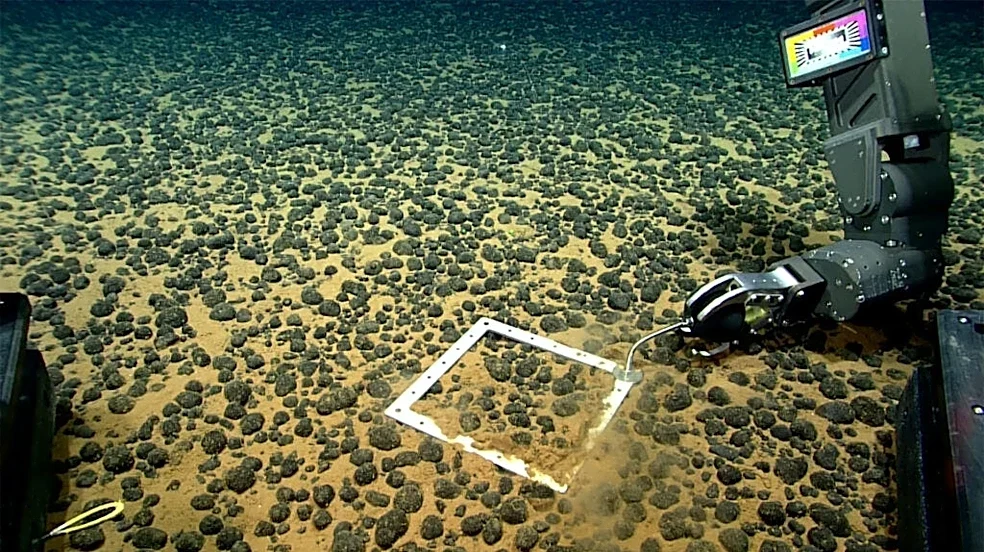
This investment is crucial for Canada's economic stability and global competitiveness. The aluminum and critical minerals sectors are strategic industrial assets, supporting thousands of high-quality jobs and underpinning key industries such as defense, aerospace, automotive, and infrastructure. By strengthening these sectors, Canada aims to mitigate the impact of global tariffs and secure its position in the international market. The focus on decarbonization and technological improvements, particularly in the aluminum sector, aligns with global environmental goals and enhances Canada's appeal as a producer of sustainable materials. This move also reinforces domestic supply chains, reducing reliance on foreign sources for critical minerals and processed aluminum, which are vital for advanced manufacturing and national security. The maintenance of 6,000 jobs and the creation of co-op placements underscore the social and economic benefits, contributing to workforce development and regional prosperity.
What's Next?
The allocated funds will be directed towards the specified projects at Rio Tinto and Aluminerie Alouette, with construction and modernization efforts expected to proceed. These projects will focus on enhancing production capacity, improving energy efficiency, and reducing greenhouse gas emissions. The government anticipates that these investments will lead to increased global competitiveness for Canada's aluminum sector. Continued collaboration between the government, major industrial players like Rio Tinto, and research institutions will be essential to maximize the long-term benefits of these investments. The success of these initiatives could also serve as a model for future government support in other strategic Canadian industries facing international competition and evolving market demands.
Beyond the Headlines
Beyond the immediate economic and employment benefits, this investment highlights Canada's strategic pivot towards building a more resilient and self-sufficient industrial base. In an era of increasing geopolitical uncertainty and trade protectionism, securing critical supply chains and fostering domestic production capabilities becomes paramount. The emphasis on decarbonization within the aluminum sector also reflects a broader commitment to sustainable industrial practices, potentially setting a precedent for other resource-intensive industries in Canada. This could lead to a competitive advantage in a global market increasingly valuing environmentally responsible production. Furthermore, the collaboration with research institutions and support for co-op placements suggest a long-term vision for innovation and talent development, ensuring that Canada remains at the forefront of technological advancements in these critical sectors.